Apr - Jun 2025
www.dhan.orgDear Readers
Greetings !!!
Active exchange of rights and responsibilities brings sustainability. The case studies featured on usufructs sharing showcases the community-led model in sustainable development of water commons. Thanks to the Water Resources Department (WRD), Government of Tamil Nadu for their incredible initiative in listening the success stories behind sustainable conservation of water commons. The launch of REASSURE 3.0 project in Dindigul Region has become a milestone in integrating Kalanjiam women SHGs towards restoration of water commons, thanks to NABFOUNDATION for joining hands with us.
Nature always brings solutions and serenity if it is valued. In this edition, the Centre for Urban Water Resource (CURE), Vizag discusses a nature-based greywater treatment model which is on pilot. Alongside, an adventurous journey in Jawadhu hills Tamil Nadu went around collection of native seeds and saplings is narrated herein. n connected us with the missionaries at large.
Celebrations sets platforms for new beginnings. As part of the World Environment Day celebrations, the Basin Association and Sub-Basin associations have emerged in Gundar; the future directions are outlined here. The state level policy seminar on Sustainable Development Goals has once again witnessed the active participation by the Vayalagam community and the way forward leads are highlighted in this edition. The column on `Guardians of Water’ speaks about the lifetime contribution of Mr.K.Gandhi, a vibrant Vayalagam Leader.
We're delighted to share our water and environment initiatives from this quarter and value your cooperation and feedback.
Team
Usufruct Rights in Water Commons Case study from Kottampatti , Madurai, Tamil Nadu
Towards Sustainable Model of Water Conservation and Governance
DHAN Vayalagam (Tank) Foundation has pioneered a community-led approach to reviving and sustaining traditional water bodies by empowering local farmers through usufruct rights (the right to use and derive benefits from common resources). By enabling communities to generate revenue from irrigation tank resources, the foundation has led the way in the sustainable and replicable model of water body conservation and governance. In this case study examines two village tanks and their respective Vayalagams (farmer associations) that have successfully implemented usufruct-based livelihood activities, ensuring both the protection of water bodies and sustainable income generation for farmers. By institutionalizing usufruct rights, DHAN’s model has transformed village tanks from neglected water bodies into thriving economic and ecological assets. This approach offers a replicable blueprint for sustainable water management across India. The success of these Vayalagams proves that when communities are empowered with rights and responsibilities, they can effectively protect and profit from common resources, ensuring long-term sustainability. Read More
Vayalagam and SDGs
State level Policy Seminar
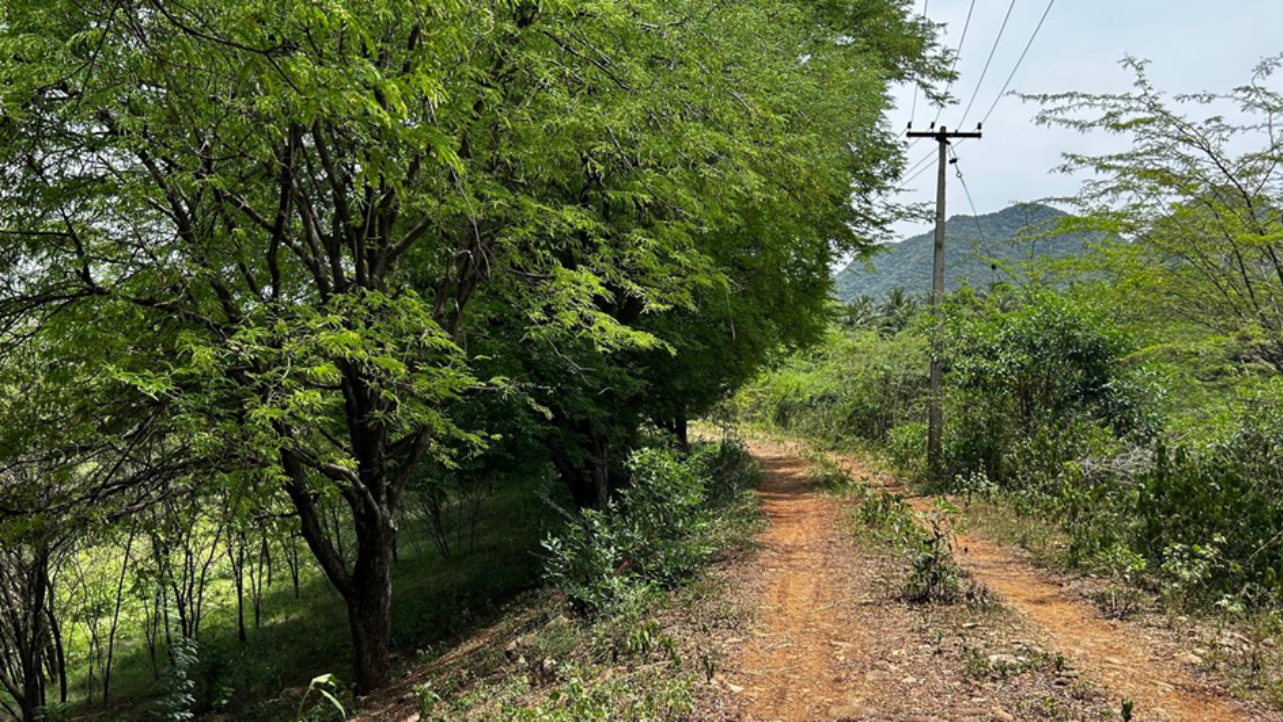
Water is essential for life, serving vital economic, social, ecological, and spiritual purposes. Throughout history, human civilizations have thrived along rivers and water bodies. India's monsoon climate made it necessary to build storage facilities to capture rainwater. For centuries, people demonstrated remarkable engineering, management, and social skills by building and maintaining extensive rainwater harvesting structures like tanks and ponds. Read More
Guardians of Water: Life journeys of Vayalagam Leaders
Journey of Mr K Gandhi
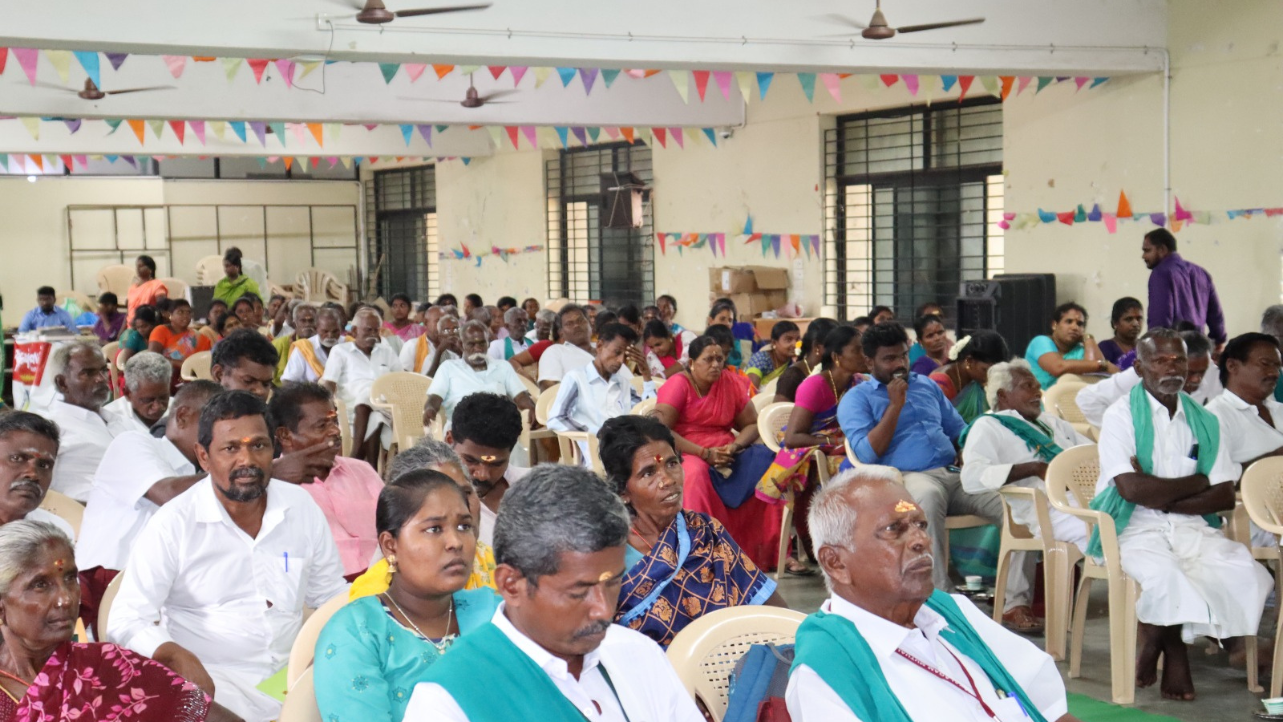
At 86, most people slow down. But not Mr. Gandhi of Vellinipatti village of Madurai district, Tamil Nadu. On the day we were scheduled to meet him, we had planned to visit him at his home, assuming it would be difficult for him to walk. Instead, we found him already waiting at the village entrance, cane in hand and a warm smile on his face. That single gesture said more than words — it reflected his humility, strength, and unwavering commitment to his community. Read More
Urban Waterbodies and Greywater: Embracing Nature-Based Solutions in Peri-Urban Agriculture
Insights from Vizag’s Constructed Wetland Intervention
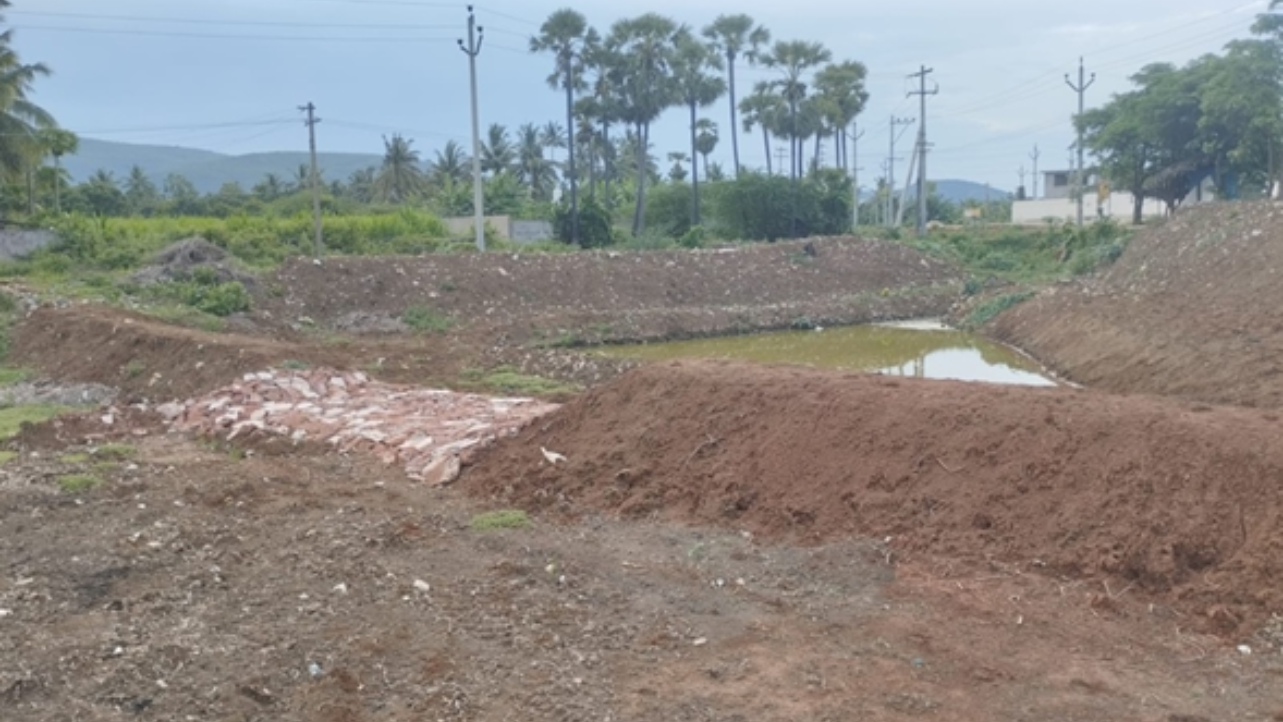
In today’s rapidly urbanizing world, cities have become both consumers and producers of water — consuming freshwater for domestic and industrial needs, and producing massive volumes of greywater and sewage in return. In India alone, over 72,000 MLD (million liters per day) of municipal wastewater is generated across Class I cities and Class II towns, yet only about 30% is treated before being discharged into the environment (CPCB, 2022). Urban and peri-urban waterbodies — once pristine sources of irrigation and biodiversity — are now threatened by the unchecked inflow of untreated greywater. This is primarily due to inadequate infrastructure, lack of decentralized wastewater management, and the continued expansion of urban settlements. Consequently, irrigation tanks, ponds, and open channels often serve as the unintended endpoints of wastewater discharge.
Read More
Mainstreaming the Water Thematic Programme
REASSURE : Project Launch update
M/s Shanti Feeds Pvt. Ltd. under their CSR commitment has extended grant assistance of Rs. 16,06,500/- (Rupees Sixteen Lakhs Six Thousand Five Hundred Only) for implementation of Project "REstoring Irrigation tanks for Augmenting Surface water and to SUstain climate REsilient livelihoods (REASSURE 3.0)" in Avilpatti Cascade of Sanarpatti Block, Dindigul District. Read More
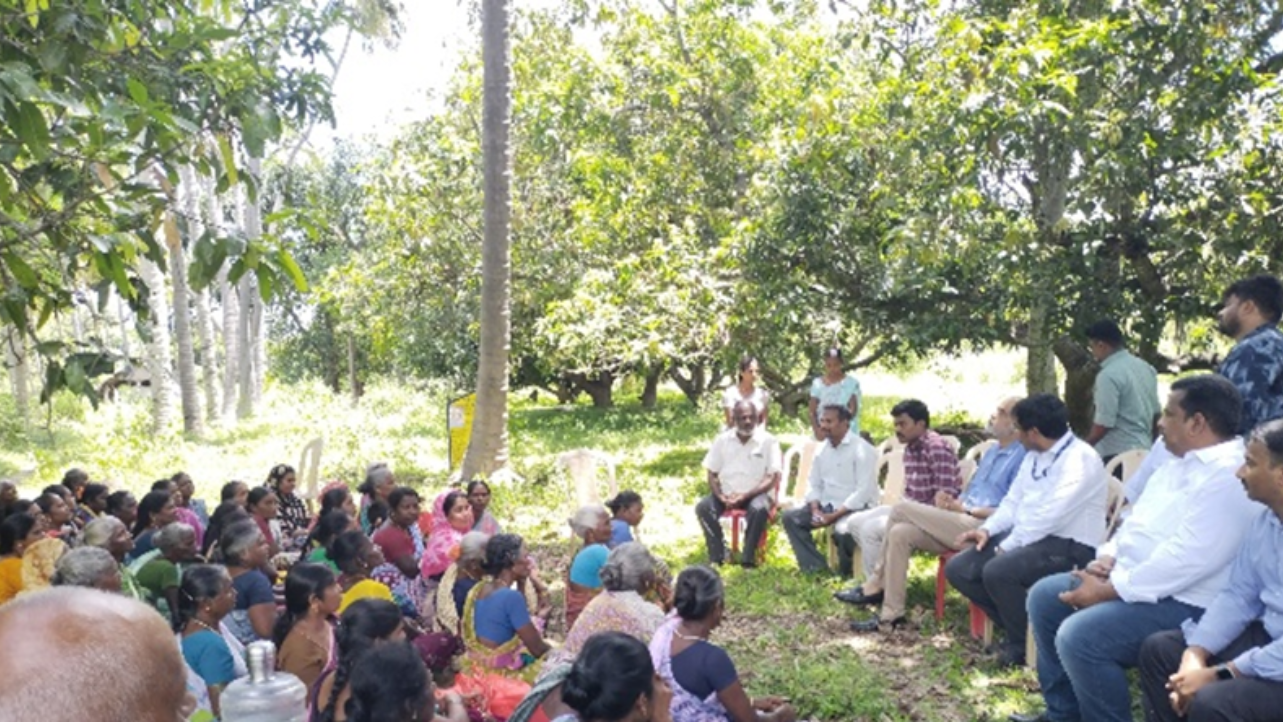
Launching Basin and Sub Basin Associations
Environment Day Celebrations, 2025
Environment Day: World Environment Day 2025 is observed on June 5 and the theme for this year is “Beat Plastic Pollution.” The focus is on ending plastic pollution by encouraging collective global action and real-world solutions. The campaign highlights the urgent need to reduce plastic waste and protect our planet for future generations.
Celebration focus: The event was celebrated on 6th July 2025 at DHAN People academy. Around 150 members have participated in the event.
Read More
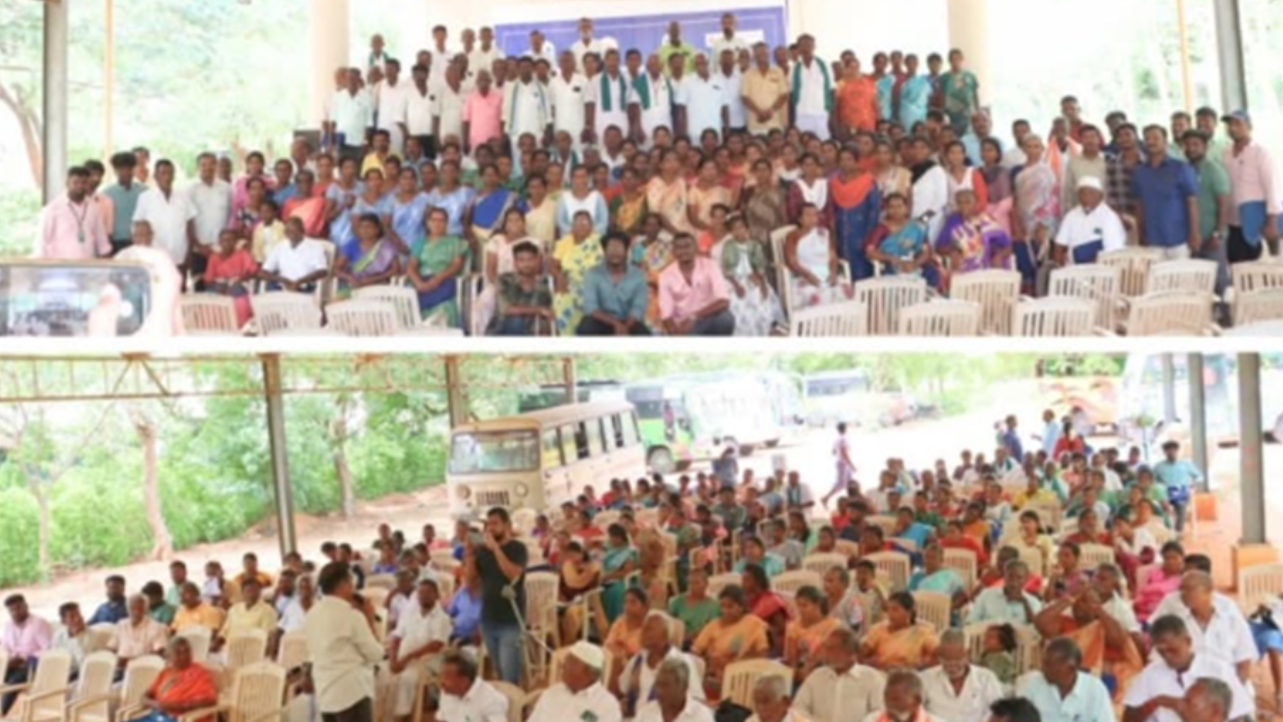
Seed Collection Drive in Jawadhu Hills
Every Seed Counts
Protecting trees, especially native species, plays a critical role in combating climate change. Forests absorb nearly 2.6 billion tonnes of carbon dioxide annually, with trees acting as powerful carbon sinks that reduce the greenhouse effect. According to the Intergovernmental Panel on Climate Change (IPCC), conserving and restoring forests could contribute up to 30% of the global climate mitigation needed by 2030. In India, initiatives like the Green India Mission aim to increase forest and tree cover by 5 million hectares, potentially sequestering 50 to 60 million tonnes of CO₂ annually. Native trees, being well-adapted to local conditions, are more resilient and efficient in long-term carbon capture, water retention, and temperature regulation—making their protection essential to climate resilience strategies. Read More
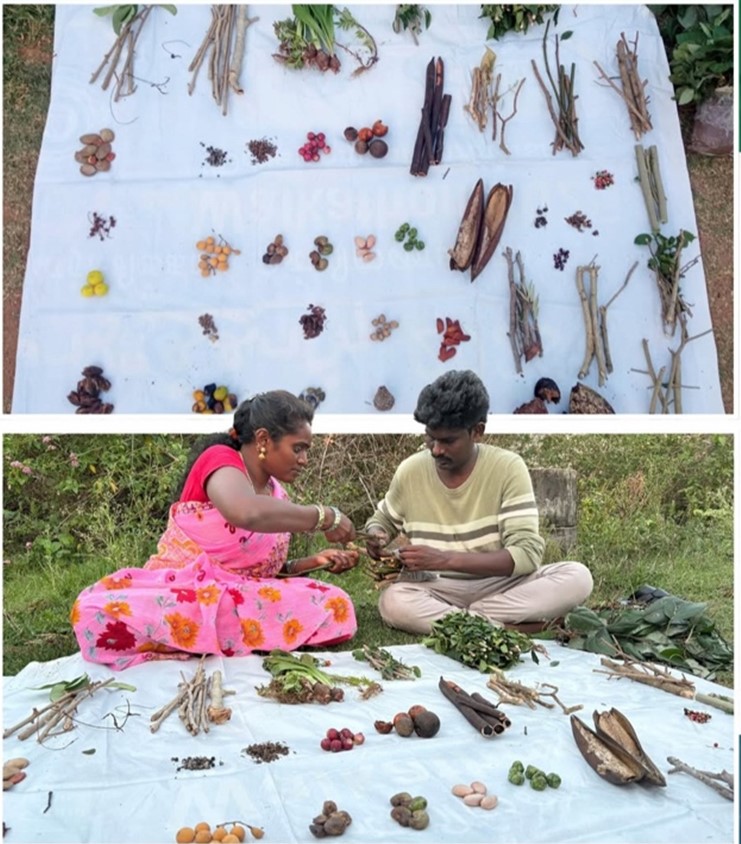
Workshop on Community Participation for Sustainable Water Resources Management
“Simplifying the procedures to make the restoration process easy for all stakeholders”
Water resource department have organised the workshop on 14 June 2025 Chennai. DHAN Vayalagam Foundation represented by Mr V Venkatesan, CEO. He has presented the various insights and strategies for effective community participation towards sustainable water resource management. The topic focus is on “Simplifying the procedures to make the restoration process easy for all stakeholders”. First the mandatory procedures have to be simplified in renovation, encroachment eviction, desilting and application, etc. second one focusing on making the investment on these small water bodies sustainable. Third one on making the best practises more pervasive. Various sustainable models evolved by DHAN Over the years was also shared. Key strength of DHAN on building sustainable social capital for the conservation work insights will help towards sustainable water management Read More
Workshop on Rejuvenation of Minor Irrigation Tanks
"Empowering Local Communities to Build Resilience through Water Body Conservation"
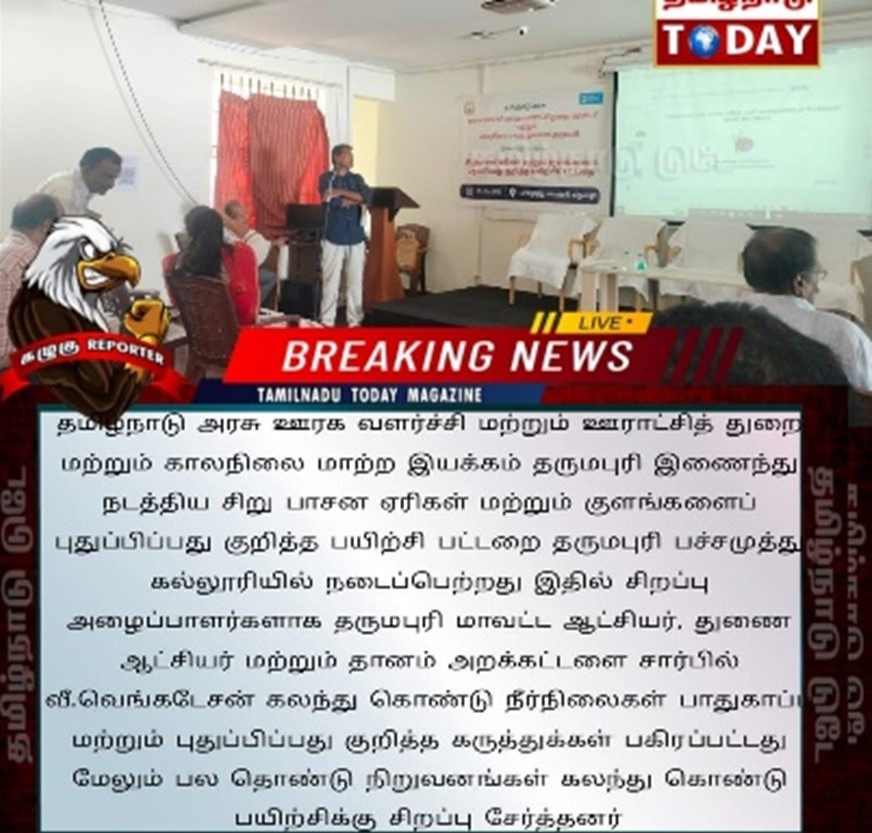
District Rural Development Agency, Dharmapuri & District Climate Change Mission, Dharmapuri have jointly organised “”, on 23 May 2025 at Pachamuthu College of Arts & Science for Women, Dharmapuri. DHAN Foundation has participated in the event and shared decadal experiences of Vayalagam programme in the irrigation tank conservation. The summary of the presentation are as follows. The presentation covered the various aspects and experience on “Community-led Conservation and Development of Traditional Water Resources”. community governance and building strong social capital model was shared. Overall, DHAN experience in community model approach was very much appreciated in the workshop and become lead for next action. Read More
 Facebook
 Instagram