De-notified, Nomadic and Semi-Nomadic Tribes (DNTs, NTs, SNTs) are historically marginalized communities in India who have suffered from deep-rooted stigma, social exclusion, and neglect from mainstream developmental policies. Their lifestyles—often mobile, forest-dependent, and community-based—have led to them being overlooked by the standard village-centric welfare models and face discrimination. These communities with varying culture and life style are spread all over India and are mostly invisible, thinly spread and many migrating. The standard village, block, district developmental model mostly does not fit on them. DNT, NT and SNT communities are found mostly in small clusters with limited capacity and skills. Therefore, any developmental approach for them has a strong need of special efforts for these communities in the existing welfare programmes of the Government. The various recommendations in the reports on the welfare of DNT Communities need very specific attention in the context of state locations specific socio- economic, cultural, variety of the De-notified, Nomadic and semi-Nomadic tribes to strengthen the programmes for the economic development, educational development, generation of employment opportunities, social liberation and full rehabilitation of de-notified tribes.
The Scheme for Economic Empowerment of De-notified, Nomadic and Semi-Nomadic Tribes (SEED) by the Ministry of Social Justice and Empowerment, Government of India is a significant initiative aimed at uplifting the De-notified, Semi-nomadic and Nomadic Tribes - the most marginalized communities in India. The scheme acknowledges the historical exclusion of these groups and provides a comprehensive framework for their economic and social integration through education, health, livelihood, and housing.
The objectives of the Scheme are as follows.
Ministry of Social Justice and Empowerment of Government of India has partnered with DHAN Foundation for implementing SEED Project in eight districts of Tamil Nadu that includes Chengalpattu, Cuddalore, Dindigul, Kanchipuram, Salem, Thanjavur, Theni and Thiruvallur with an aim to reach 400 SHGs thereby covering a minimum of 4000 women members of the DNT community.
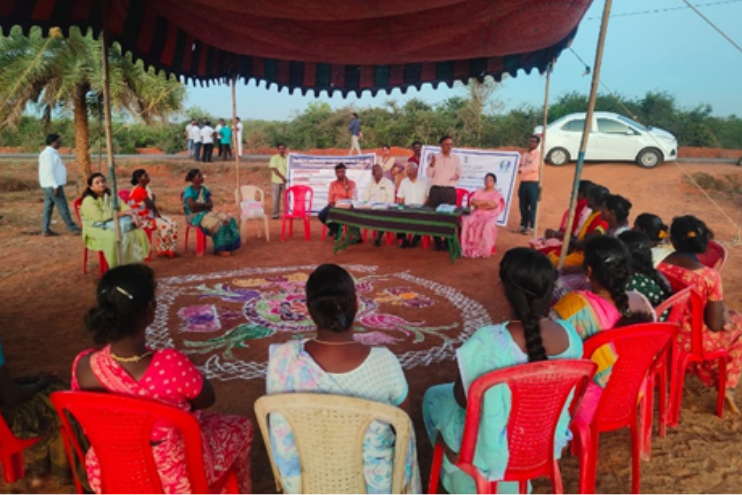
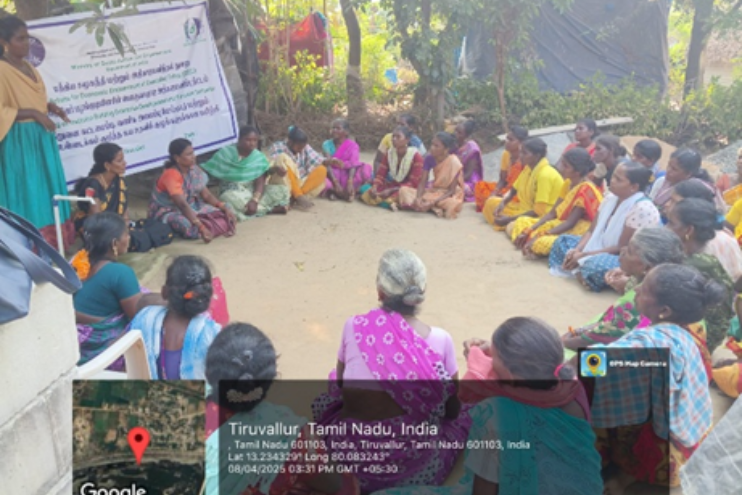
Under SEED Project, 35 blocks are covered in these eight districts. Within seven months of period, the team have achieved the target of 400 SHGs thereby reaching 4427 DNT families. Through this project, DHAN has main focus on economic inclusion and social inclusion through livelihoods through the following six activities
| S.No | Districts | Blocks | No. of Blocks |
|---|---|---|---|
| 1 | Chengalpattu | Thirukalukundram, Kattankulathur, St.Thomas Mount, Acharapakkam, Lathur | 5 |
| 2 | Cuddalore | Srimushnam, Keerapalayam, Parangipetti, Bhuvanagiri | 4 |
| 3 | Dindugal | Shanarpatti, Reddiarchatram, Athoor | 3 |
| 4 | Kanchipuram | Kundrathur, Sriperumpudur, Walajabad, Kanchipuram | 4 |
| 5 | Salem | Gangavalli, Thalaivasal, Attur, PN Palayam, Ayodhyapatnam | 5 |
| 6 | Thanjavur | Ammapettai, Kumbakonam, Thanjavur, Thirupanendal, Thiruvidaimaruthur | 5 |
| 7 | Theni | Andipatti, Bodi, Chinnamanur, Kadamalaikundu, Periyakulam and Uthamapalayam | 6 |
| 8 | Thiruvallur | Pondi, Tirutani and Thiruvalangadu | 3 |
| Total | 35 | ||
To implement the SEED project effectively in the selected eight districts, DHAN has placed and Community Contact Person (CCP) at village level to take care of each SHG and District Community Contact Persons (DCCP) at district level with one person per 10 SHGs to guide and handhold the DNT community. Thus, by accomplishing the mission of reaching out to ultra poor communities in Tamil Nadu. As of now, 400 SHGs are formed with 4427 DNT members and 7029 members are registered in the DNT portal including their family members. Of which, 205 SHGs were promoted new with Theni district leads with 57 SHGs, followed by 44 SHGs in Salem and 42 SHGs in Thiruvallur.
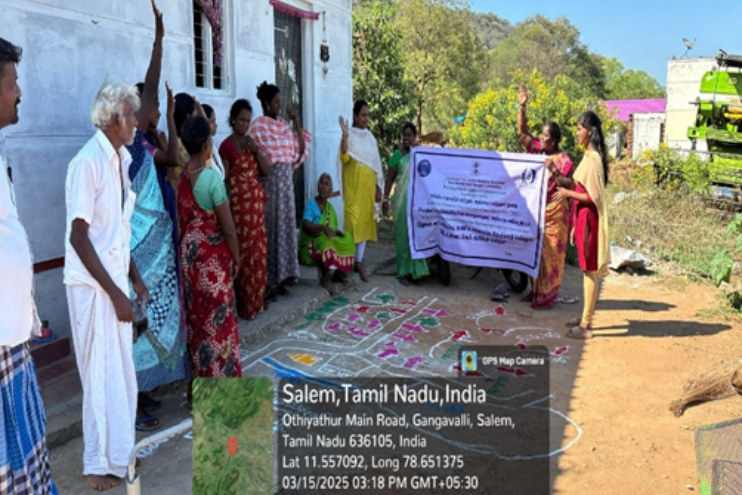
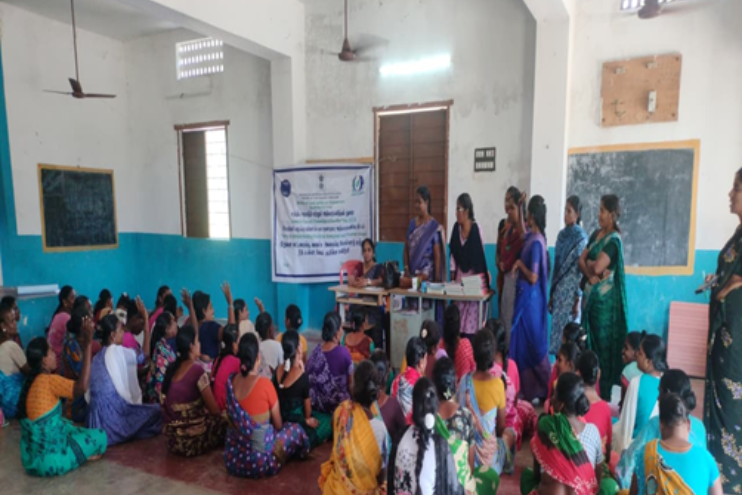
The Financial Inclusion of SCRIPT were introduced in these groups with 300 groups opened their bank savings accounts and received revolving fund from the project for their livelihood enhancement. Another major activity of the project is doing EPA (Entry Point Activity) for a village with Rs.25,000 by addressing the minor issues of the village like fixing street lights, renovations, solar street lights, drinking water facility, infrastructure to village schools, repairing water connections etc., As a whole, 269 groups received about Rs. 1.34 crore either through Revolving fund or EPA. Other entitlements of ensuring government life, accidental and health insurance for the members (PMJJBY, PMSBY, CM Health Insurance), getting community certificate, are undertaken through this project.
Each cluster with a size of about 10 SHGs are also have a plan of setting up group activity to enhance their livelihood/ provide additional livelihood or provide market channel for the artisans among the communities. SEED provides provision of another fund of Rs.75,000 per cluster for doing group activity like setting up shop to sell their artistic handmade products, setting up new livelihoods like oil extraction machine, tailoring units etc.,
This paradigm shifts towards recognizing and institutionalizing “invisibility” in policymaking sets a model for more inclusive governance. Globally, SEED aligns with the UN’s Sustainable Development Goals (SDGs): SDG 1: No Poverty, SDG 3: Good Health and Well-being, SDG 4: Quality Education, SDG 5: Gender Equality and SDG 10: Reduced Inequalities.
The SEED project also have aspirations of bringing educational empowerment by offering free quality coaching for competitive exams like UPSC, NEET, JEE, banking, and defense services, ensuring monthly stipends (Rs. 1500–4000) and special allowances (Rs. 2000) are given to support local and outstation candidates and focus on providing equal access of education. Also, to provide housing support by leveraging Pradhan Mantri Awas Yojana (PMAY) and other schemes to provide safe and secure housing, addressing one of the key vulnerabilities of nomadic and semi-nomadic lifestyles. Followed by the SEED Project in Tamil Nadu, DHAN Foundation started implementing SEED Project in six districts of Maharastra – Amaravati, Hingoli, Nanded, Yavatmal, Wardha and Washim with an aim of forming three hundred SHGs on 2nd May 2025 within 1 year with Rs.2.3 Crore budget.
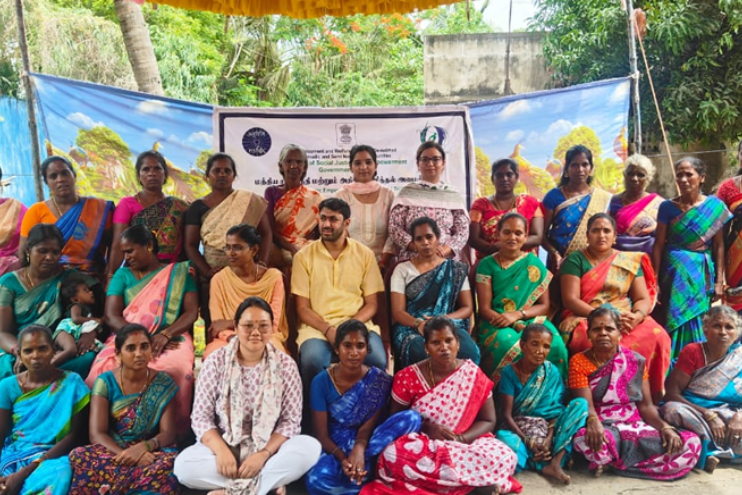
The SEED Scheme is a landmark policy addressing the intersectionality of poverty, stigma, and historical neglect faced by DNT/NT/SNT communities. Its success will depend on effective implementation, community involvement, and consistent monitoring. For DHAN, it provides a robust framework to integrate the marginalized communities into the mainstream, while also contributing to national and global inclusion goals.