
“A Journey Rooted in Dedication: Pandian and the Kalanjiam Movement”
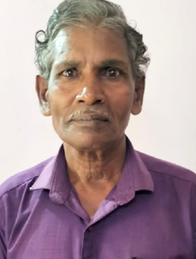
Mr.P.Pandian, Senior Kalanjiam Associate, Athoor, Dindugal Region
Early Life and Struggles
Pandian was born in 1964 in Veerakkal, a small village in Dindigul district. His early life was filled with challenges and hard work. After completing his twelfth standard, he did not have the opportunity to continue his studies. Instead, he stayed in the village and took up any work available to support himself and his family. He worked in agricultural fields, did construction labor, and even made bricks. At times, he travelled to Kerala in search of daily-wage jobs.
Life was uncertain, but Pandian never hesitated to work hard. He got married to his maternal aunt’s daughter, and together they built their family with determination. They were blessed with two daughters. As a father, his biggest dream was to give his children a better life through education. Even though his income was limited, he remained committed to their future. With time, his eldest daughter successfully completed her MBA, and he arranged her marriage with pride. These achievements were not easy—they came from years of struggle, sacrifice, and perseverance.
Journey with Kalanjiam
Pandian’s life took a turning point when he learned about Kalanjiam through his brother-in-law’s wife, who was already a member. Curious to know more, he visited the Block Kalanjiam office and enquired about job opportunities. In 2001, he got the opportunity to join as a Cluster Coordinator in Athoor Block. At that time, there was no clear system of clusters, and he was asked to form groups on his own and later organize them into clusters.
He began his work with full dedication. The first group he formed was “Kuzhandhai Yesu Kalanjiam.” From there, he went village to village, meeting people, explaining the purpose of Kalanjiam, and encouraging women to join. In Karisalpatty, he formed 25 groups and created a strong cluster. The first cluster meeting he organized was inaugurated with the traditional Mulappari ritual. That moment left a deep impact on him is that the happiness of the people and the sense of unity inspired him to continue this work with passion.
Pandian also believed in practicing what he preached. Even though his income was small, he enrolled his own wife into Kalanjiam. Through the savings and loan support from the group, he managed his family expenses, especially his daughter’s education. He strongly believes that Kalanjiam played a major role in improving his family’s life.
In 2003, he attended the 18th Movement Training at DHAN People Academy. There, he learned how to form community groups, conduct meetings, and communicate effectively with people. After the training, he worked in different areas like Kamuthi, Tiruchuli, Veerakkal, and H.R. Kottai. In Tiruchuli, he increased the number of groups from 130 to 230. In Veerakkal, he formed 20 groups in just one year. In H.R. Kottai, he expanded the cluster from 13 to 38 groups. His dedication and hard work earned him recognition, including an award for group promotion. Even today, people remember him whenever group promotion is discussed.
Service, Discipline, and Impact
Pandian’s work was not just about forming groups; it was about bringing real change in people’s lives. He always worked closely with women leaders, believing that they are the key to community development. In Akkarampatti, he helped the community understand the importance of sanitation and, with the support of a local woman leader, facilitated the construction of toilets for 100 households. This improved hygiene and reduced health problems.
In H.R. Kottai, he organized livelihood training and provided sewing machines to women. This helped them earn a steady income and repay their loans regularly. In Veerakkal, he worked with local authorities to bring electricity to homes that previously had none. In Koothampatti, he arranged scholarships for 77 children, helping them continue their education. These efforts brought lasting benefits to many families.
Pandian is also known for his discipline and strong work values. He ensures that all Kalanjiam meetings are conducted on time without fail. Members attend meetings in uniform, creating a sense of unity and identity. Financial practices are strictly followed receipts are properly issued, and all collected money is deposited in the bank within 24 hours. These practices-built trust and strengthened the functioning of the groups.
Even today, Pandian continues his service with the same energy and commitment. He celebrates Movement Day every year with great enthusiasm, organizing sports and activities that bring members together. For him, this work is not just a job; it is a lifelong mission. His journey shows how dedication, discipline, and belief in people can create meaningful change in both personal life and the community.
“Stitching Success: The Inspiring Story of Dilli”
Ms.Dilli, Kalanjiam Leader, Malligai Kalanjiam, Palaru Vattara Kalanjiam, Kanchipuram Region
A Small Beginning with Big Determination
Dilli’s life began in a simple setting with very limited resources. She studied only up to the eighth standard and never had the chance to receive formal training in tailoring. However, she was observant and eager to learn. By watching others stitch, she slowly picked up the skill on her own. What started as a basic ability soon became the foundation of her future.
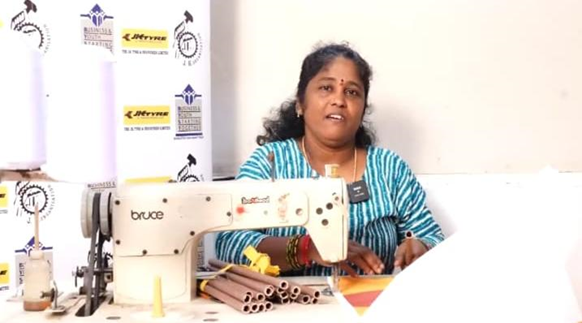
In 2013, she joined the Malligai Kalanjiam under the Palar Vattara Kalanjiam. This decision became a turning point in her life. With her first loan of ₹10,000, she purchased a sewing machine and began stitching cloth bags from her home. In those early days, she and her husband worked together tirelessly, earning just 40 paise per bag. Many people around her questioned her efforts and discouraged her, asking why she was struggling so much for such little income.
One incident left a deep impact on her. She once stitched 27 bags incorrectly and had to unpick and redo every single one by hand. It was a difficult and time-consuming task, but it taught her an important lesson about patience and perfection. From that day forward, she became extremely careful in her work and never repeated such mistakes. Despite all the hardships, Dilli stayed focused and continued her journey with strong determination.
Growth Through Hard Work and Support
With time, Dilli’s skills improved, and so did her confidence. She became faster and more efficient in her work. Today, she stitches around 2,000 bags a day and earns ₹1 per bag. Her journey was not easy; there were days when she slept for only two hours, determined to complete her daily targets before resting. Her dedication and discipline played a key role in her growth.
With continuous financial support from Kalanjiam, she upgraded her equipment and expanded her business. What started as a small home-based activity gradually turned into a stable source of income. Today, she provides employment to six people, including three women from her own Kalanjiam group. She pays each of them a monthly salary between ₹8,000 and ₹10,000, creating livelihood opportunities for others in her community.
Her own monthly income has now increased to ₹35,000–₹40,000. This steady income has helped her take care of her family’s needs, especially her children’s education. Her son is currently studying in the 11th standard, and her daughter is in the 9th standard. Dilli takes great pride in the fact that all their educational expenses are covered through her earnings.
She also achieved another major milestone of building her own house. While she was living in a rented home, she took a bank loan to purchase a house. Later, she borrowed ₹1.5 lakh from Kalanjiam to complete the construction work. Over the years, she gradually improved her living conditions, buying household items one by one. From having almost nothing, she built a comfortable home. She also managed to save ₹1,25,000 and acquire 15 sovereigns of gold through her consistent efforts.
Confidence, Dreams, and Leadership
Dilli’s transformation is not only financial but also personal. In her early days, she lacked confidence and even hesitated to count money. Today, she is a confident entrepreneur who manages her business independently. She receives orders from customers over the phone, including from people she has never met. Her phone number, printed on bags, brings her new opportunities from different places.
Her hard work and success were recognized when she received the “Outstanding Entrepreneur” award during International Women’s Day celebrations. This recognition further boosted her confidence and encouraged her to grow even more. Today, she is well known in her village and the people can easily identify her by name, which reflects the respect she has earned.
Dilli also plays a leadership role in her Kalanjiam group. She is currently the leader, and her performance has inspired others. In fact, some women are waiting specifically to join her group, even though it already has 20 members. This shows the trust and admiration she has gained in her community.
Her biggest dream is to see her son become an IAS officer. She strongly believes that with her savings and the continued support of Kalanjiam, she can help him achieve this goal. She imagines a future where her son serves as a District Collector, and she feels proud thinking about that day.
Dilli is also open to learning new things. With the help of her son, she is now learning to speak English using a mobile application. This shows her willingness to grow and adapt, no matter her age or background. Above all, Dilli believes in self-confidence and perseverance. She says her success did not come overnight but is the result of 13 years of continuous effort. She also acknowledges the support of her husband and believes that when women are encouraged and not restricted, they can achieve great things.
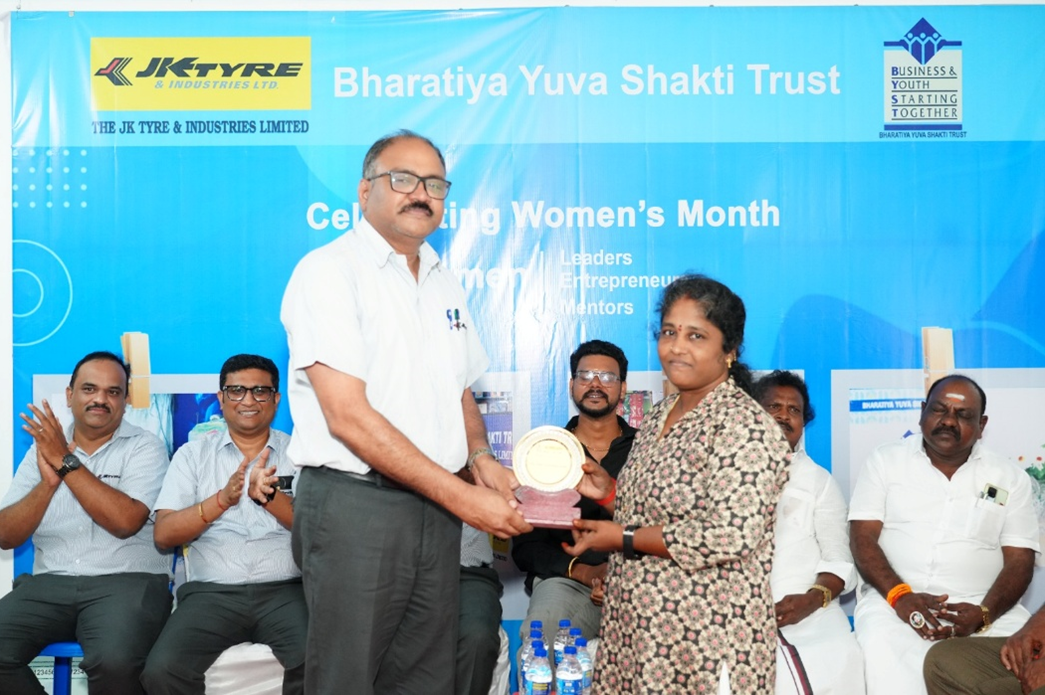
Today, Dilli stands as a strong example of how determination, hard work, and the right support system can transform a life. For her, Kalanjiam is not just a group. It is her foundation, her strength, and her hope for the future.
“Learning, Leading, and Evolving: Way of Life ”
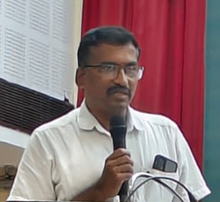
S Sivanandan, Programme Leader
My Journey: From Struggle to Purpose
I am S. Sivanandan, a native of Cumbum in Theni district. I come from a lower middle-class family with no financial backup. My life took a difficult turn when I was studying in 11th standard, my father passed away due to a heart attack. From that moment, everything changed for us.
My mother became the backbone of our family. She worked as a daily wage labourer to support me and my younger brother. Watching her struggle every day shaped my sense of responsibility early in life. Alongside her efforts, my friends stood by me by guiding, supporting, and encouraging me to continue my education. Without them, my journey would have been much harder.
I pursued my B.Sc. Agriculture at TNAU, Madurai. After completing my degree, I worked in a private company for six months. But I always felt that I needed to push myself further. With the encouragement of my college friends, I went to Delhi and prepared for the ICAR JRF examination. It was not easy, but I stayed focused. Clearing that scholarship was a turning point, which it gave me both confidence and direction. I then completed my Master’s in Agricultural Extension from Tirupati.
Choosing My Path: Entry into Development Work
During campus placements, I attended several interviews, but what stands out is that I was the only one selected for DHAN Foundation among 15 candidates in the final round. That moment gave me a strong sense of purpose.
Before joining, I was sent for exposure visits to Sayalkudi and Mudukulathur in Ramanathapuram district. In Sayalkudi, under the guidance of Mr. Prahalathan, I was introduced to Kalanjiam activities. For the first time, I witnessed the harsh reality of poverty with no proper bus facility, water scarcity, food insecurity, and poor housing conditions. That experience touched me deeply. It was not just observation; it was emotional. In Mudukulathur, Mr. V. Venkatesan guided me in understanding Vayalagam initiatives. We had long discussions, sometimes even till 1 a.m., reflecting on poverty, water scarcity, and community realities.
Early Career: Learning the Foundations
I joined as a Development Associate in April 2002 at Veerapandi in the Salem region. My initial phase was very structured. Every fortnight, I had clear assignments like conducting PRAs, promoting groups, maintaining records, analysing cash flows, and learning from cluster meetings.
The most important part was the continuous reflection. Every fortnight, I discussed my work, learnings, and mistakes with my field guide. This helped me build a strong foundation, not just in skills, but also in thinking. Soon, I entered the Development Apprenticeship phase and was given responsibility to promote a new location. With the support of local teachers, I recruited four associates and started building groups and systems. Though this phase lasted only six months, it gave me confidence in handling responsibility.
Turning Point: My Ramanathapuram Experience (2002–2006)
I was then transferred to Sigaram Federation in Ramanathapuram. This period remains one of the most memorable phases of my life.
Professionally, it was a highly intense and enriching environment. We had 12 Federation Coordinators, 12 Community Accountants, and one Regional Coordinator. Our regional meetings were deep, rigorous, and full of learning. There was strong peer pressure but in a positive way. We constantly challenged and supported each other. It was here that I actively worked on concepts like DIG groups, service cost, and DHANAM software. More importantly, I learned the value of teamwork, collective thinking, and system-driven development. Personally, this phase was also special. I got married and was blessed with a son during this time.
Facing Challenges: Kadamalaigundu Phase (2006–2010)
In 2006, I was transferred to Kadamalaigundu in Theni as a Senior Programme Executive. Before I went there, many people created a sense of fear about the location. But I saw it as a challenge. This place tested me both professionally and personally. The community faced deep-rooted issues like high social obligations and female infanticide. At the same time, the associates were strong and empowered, which required a different style of leadership.
I focused on mentoring them through regular reviews and strengthening systems. The work here was diverse like community banking, herbal producer groups, health, housing, and insurance. Even in the early 2000s, these were advanced interventions. The federation collectives were very vibrant. Clusters had real decision-making power. They could approve small loans and recommend larger ones to the federation. Cluster Mahasabhas were conducted with participation from government officials like Block Development Officers.
Because of this strong presence, everyone in the area like police, lawyers, and officials knew about the Kalanjiam movement. I lived within the community, in a rented house owned by a lawyer. Being close to the people helped me understand their realities better. This phase taught me how to handle multiple responsibilities, solve problems practically, and stay grounded. One of the most unique moments was when we built a Kalanjiam Temple within the office premises. The statue had a Kalanjiam body with a female face, symbolising prosperity and women’s empowerment. It reflected the spirit of the movement at its peak.
Stepping into Leadership: Dindigul Region (2010–2015)
Then, I was transferred to Dindigul and given the responsibility as a Regional Coordinator from 2010 to 2015. This phase marked my transition from operational roles to leadership responsibilities.
Around the same time, a significant milestone happened in my personal life that my wife, who had been a homemaker, cleared a government examination and joined as a school teacher in the Tamil Nadu Government in 2013. That brought both stability and pride to our family.
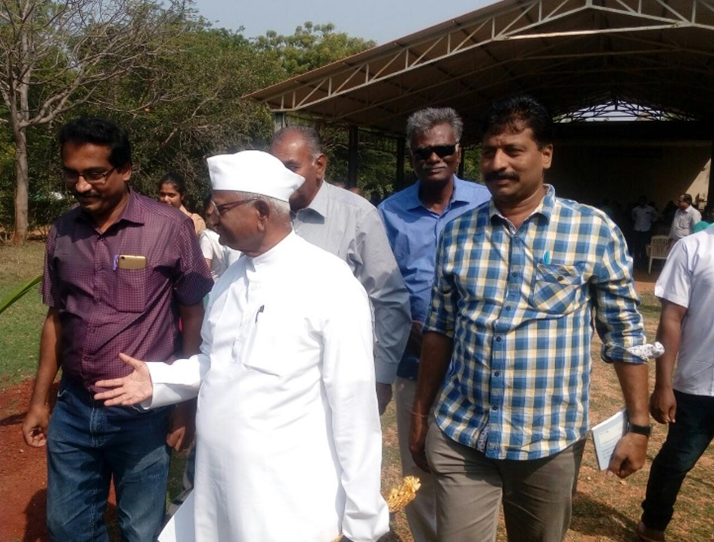
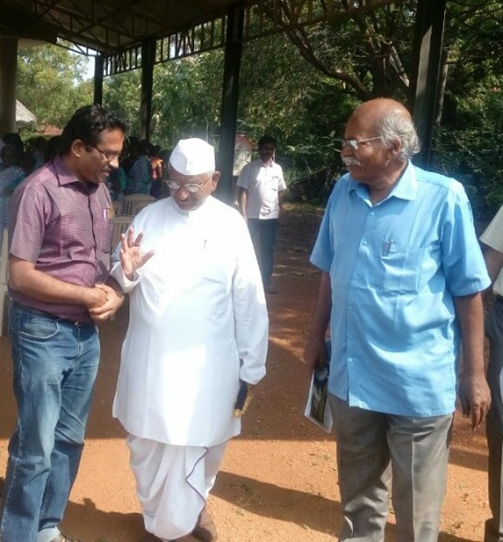
Professionally, the Dindigul region had nine blocks, and my focus was on strengthening DHAN’s presence at the district level. I worked towards establishing structured regional systems that would bring better coordination and collective functioning. We initiated regular all-staff meetings to ensure easy access, improve communication, enable knowledge sharing, and address field-level challenges collectively. During this period, we also introduced several regional-level initiatives such as Walkathons, Foundation Day celebrations, and Women’s Day programmes. These initiatives later expanded to other regions, creating a larger institutional culture.
One of the key experiences during this phase was my involvement with the District Administration in developing the District Perspective Plan. This work focused on analysing the Human Development Index of the district. It was part of a larger collective project covering four districts under the Centre for Research team, where I anchored the work for Dindigul. This exposure helped me understand development from a broader, data-driven and policy-oriented perspective.
Expanding Horizons: Central Office and National Exposure
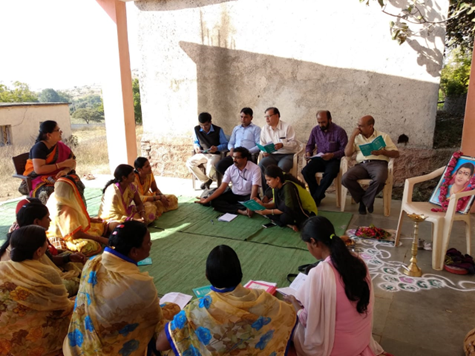
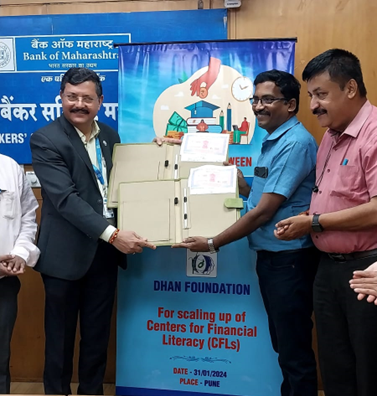
After my tenure in Dindigul, I was transferred to the Kalanjiam Programme Office at the central office. This phase opened up new dimensions in my professional journey. I had the opportunity to work on multiple projects across different parts of India, with a special focus on Maharashtra. This exposure helped me understand diverse socio-cultural contexts, community dynamics, and regional challenges. I also worked with various funding partners such as E&Y, HDFC, YES Bank, and the Ministry of Social Justice. Engaging with these stakeholders enhanced my ability to communicate, document, and manage partnerships effectively.
Travelling extensively across states, learning different languages, and adapting to different cultures enriched my understanding of development work. Over time, my documentation skills and stakeholder engagement capacities improved significantly. Recently, I feel hopeful seeing many professionals being placed to strengthen the work in Maharashtra. It gives confidence that a sustainable institutional base can be built there.
Becoming a Programme Leader (2017)
In 2017, I was recognised as a Programme Leader. This was not just a designation but it was a reflection of my journey and the learning I gained from the community over the years.
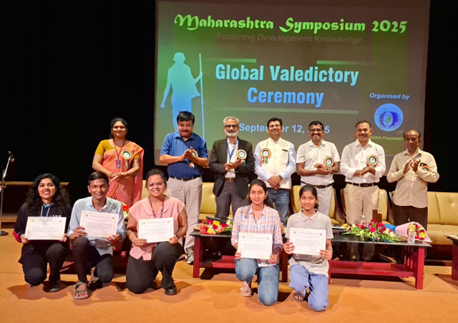
One principle I have always followed is maintaining a clear boundary between personal life and professional responsibility. I never allow my personal challenges to affect my work. Work may come home at times, but I ensure that home does not interfere with my work commitments. I have also remained consistent in participating in institutional processes. I have never missed major events such as Retreats, Symposiums, CFMs, and other important platforms, regardless of personal constraints. I strongly believe that these spaces are essential for learning, alignment, and growth.
To me, development is not just about economic progress. True development happens when people are socially empowered and emerge as leaders within their communities. I do not believe in dominating others or enforcing authority. At the same time, I am firm when it comes to institutional values and ethics. I believe that we should live by what we say. Regular field visits are important to stay grounded and maintain a strong connection with the community and sector realities.
Personal Transformation and Leadership Maturity
After moving from field roles to the central office, I noticed a significant change in my emotional stability. I began to understand that nothing is permanent, and decisions should always be institution-focused rather than individual-focused.
In situations of conflict, I have learned to listen first before responding. Not every situation requires an immediate reaction. Sometimes, taking time helps in making better decisions. I strongly believe that functional differences are natural, but they should never become personal differences. When I have a difference of opinion with seniors, I do not simply agree for the sake of it. I make sure to express my views respectfully and clearly. Enabling others is something I value deeply. Fear does not lead to quality work or growth. Only when people feel supported and confident, they perform at their best.
Overall Reflection
My journey, from a challenging personal background to taking on leadership roles, reflects a steady evolution shaped by resilience, meaningful exposure, and growing responsibility. The early struggles built my inner strength, while my field experiences gave direction and purpose to my work. Over time, I have moved from being task-oriented to becoming more value-driven and institution-focused. I see my strength not just in technical competencies, but in my consistency, ability to connect with people, and commitment to the organisation’s purpose. Each phase of my journey whether in the field or at the central level has contributed to shaping my understanding of development as a process of building people, systems, and sustainable institutions.
At the same time, this journey has helped me grow in emotional maturity and leadership perspective. I have learned to handle challenges with patience, approach conflicts with clarity, and prioritise institutional needs over individual preferences. I strongly believe in enabling others rather than directing them, as fear does not create quality or long-term growth. While I take confidence from my experiences, I also recognise the need to continuously improve especially in strategic thinking and nurturing future leaders. “Leadership is not about control. It is about enabling others to grow.”