The International Commission on Irrigation and Drainage (ICID), headquartered in New Delhi, is a globally recognized non-governmental scientific and technical organization established in 1950 to promote sustainable and efficient management of water and land resources for agriculture. ICID brings together experts, policymakers and practitioners from more than 100 countries to improve irrigation, drainage and flood management practices, strengthen food security, enhance climate resilience, and support rural development. Through international conferences, research networks, technical committees and knowledge-sharing platforms, ICID plays a vital role in shaping policies and innovations in agricultural water management, with its Delhi headquarters serving as a key hub for global coordination and leadership in the water sector.
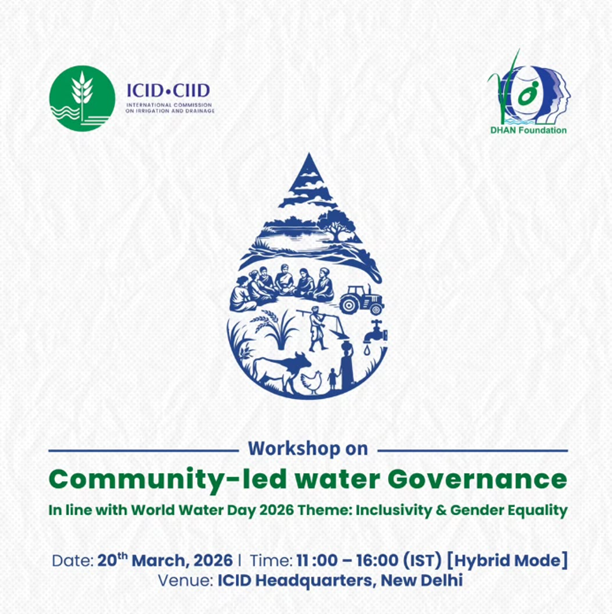
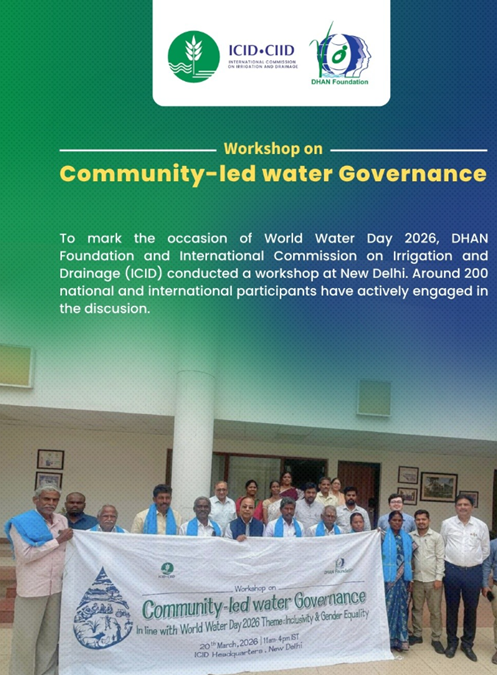
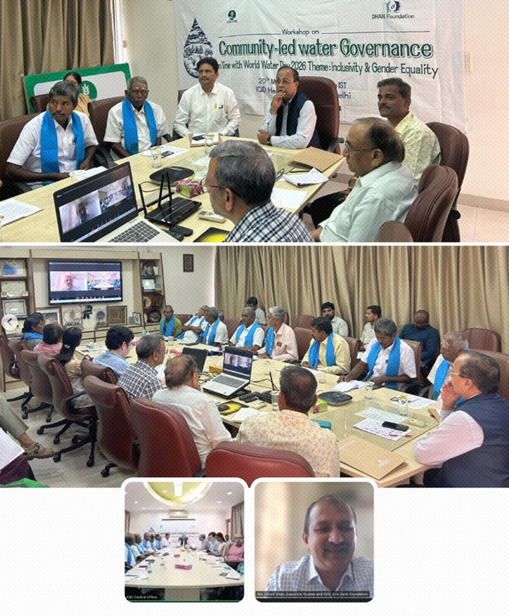
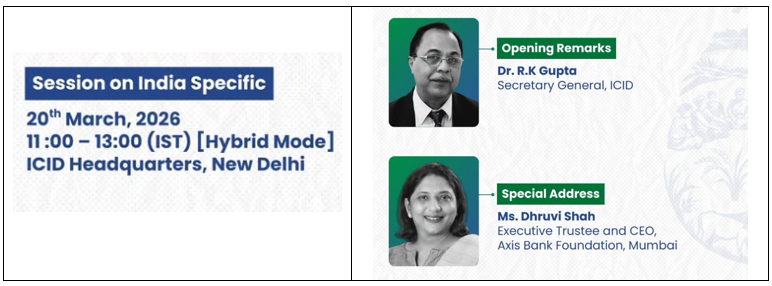
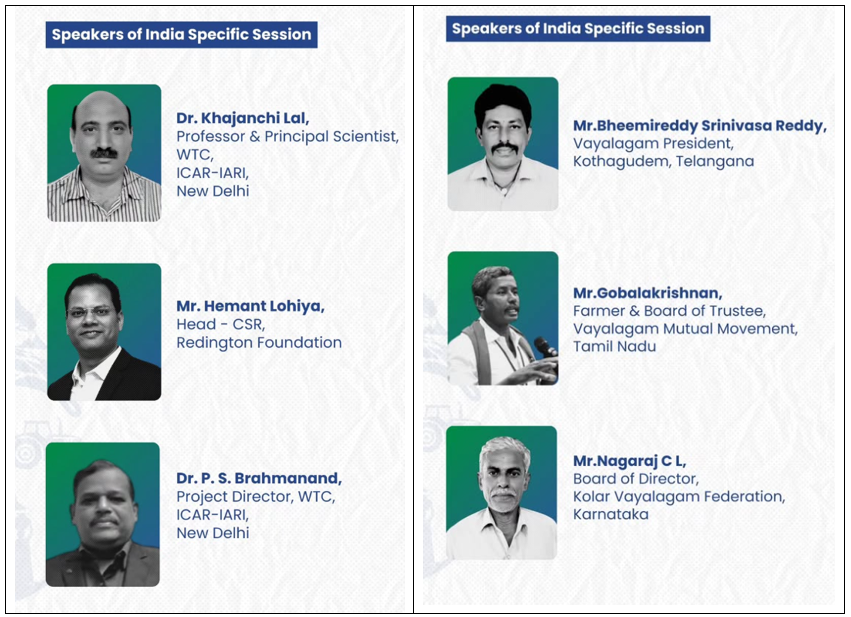
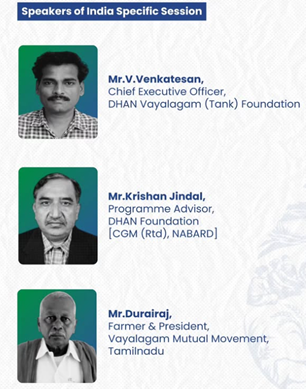
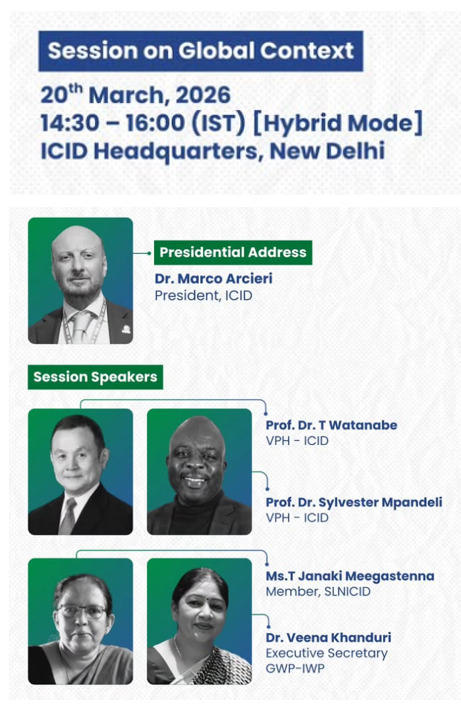
Marking World Water Day 2026, DHAN Foundation, in collaboration with the International Commission on Irrigation and Drainage, hosted a workshop on community-led water governance in New Delhi.
With over 200 national and international stakeholders participating, the event emphasized a shift from centralized water management to community-driven approaches, highlighting that sustainable solutions are built from the ground up.
Link about the Workshop :
https://icid-ciid.org/inner_page/279
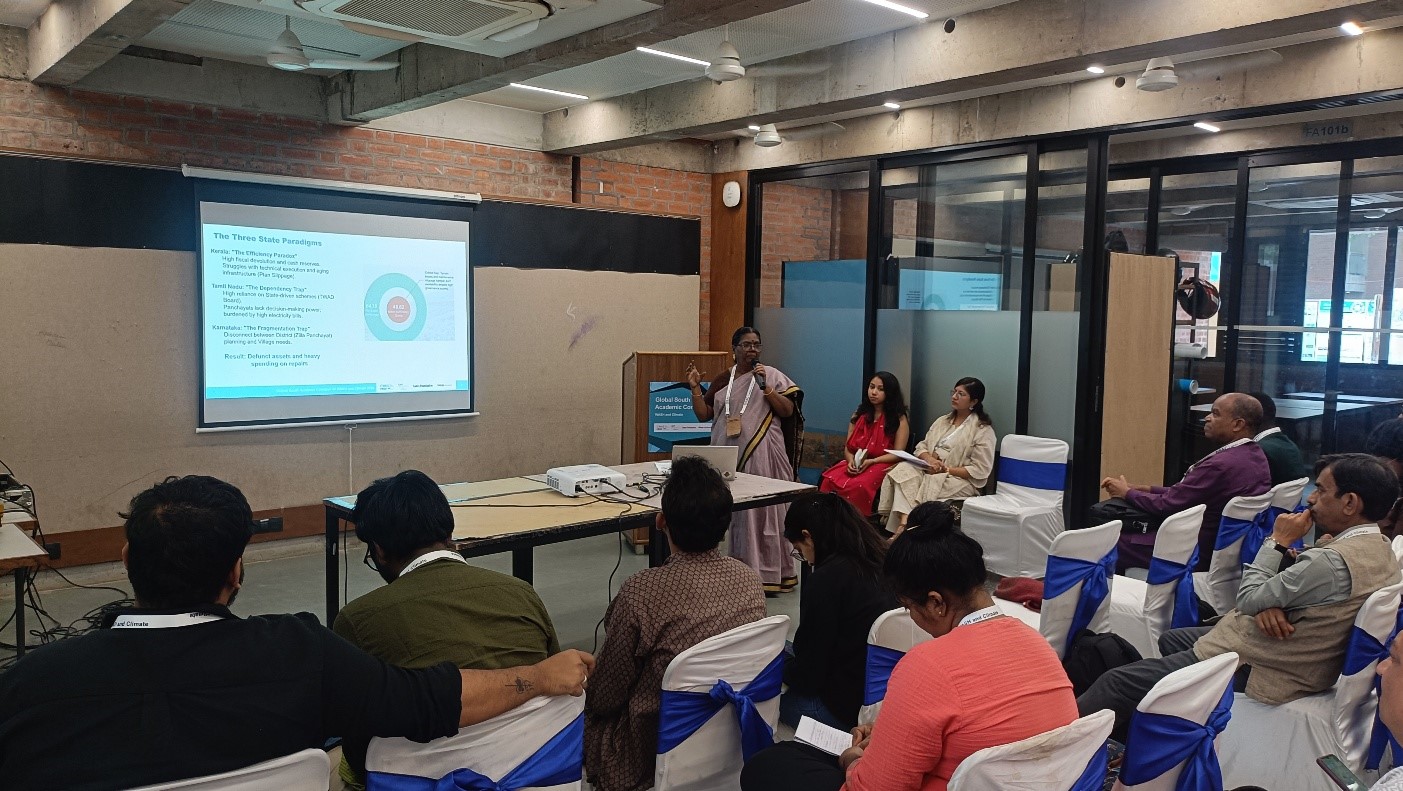
The Global South Academic Conclave (GSAC 2026) on WASH and Climate, organized by the Center for Water and Sanitation, CRDF, in collaboration with the CEPT University, and supported by the Bill & Melinda Gates Foundation and Viega Foundation, was held on 6–7 February 2026.
The DHAN Foundation participated by presenting its work on “Local Governance and WASH Priorities: A Comparative Analysis of Tamil Nadu, Kerala, and Karnataka & Reflections from Praxis.” The presentation highlighted that the key challenge is not lack of funds, but gaps in governance, maintenance, and community ownership, which emphasizing the need for stronger local participation and better management for sustainable WASH services.
The biggest challenge in WASH is not funding but a “governance–technology mismatch.” While schemes like the Jal Jeevan Mission have improved infrastructure, long-term service delivery remains weak due to poor maintenance, limited local ownership, and over-centralized systems. The study showed contrasting state patterns in Kerala with strong decentralization but technical gaps, Tamil Nadu with high dependence on state agencies, and Karnataka with fragmented planning, which leading to inefficiencies and frequent repairs. It also pointed out that a large share of funds is spent on fixing failures rather than preventing them, while sanitation continues to receive less attention compared to water supply.

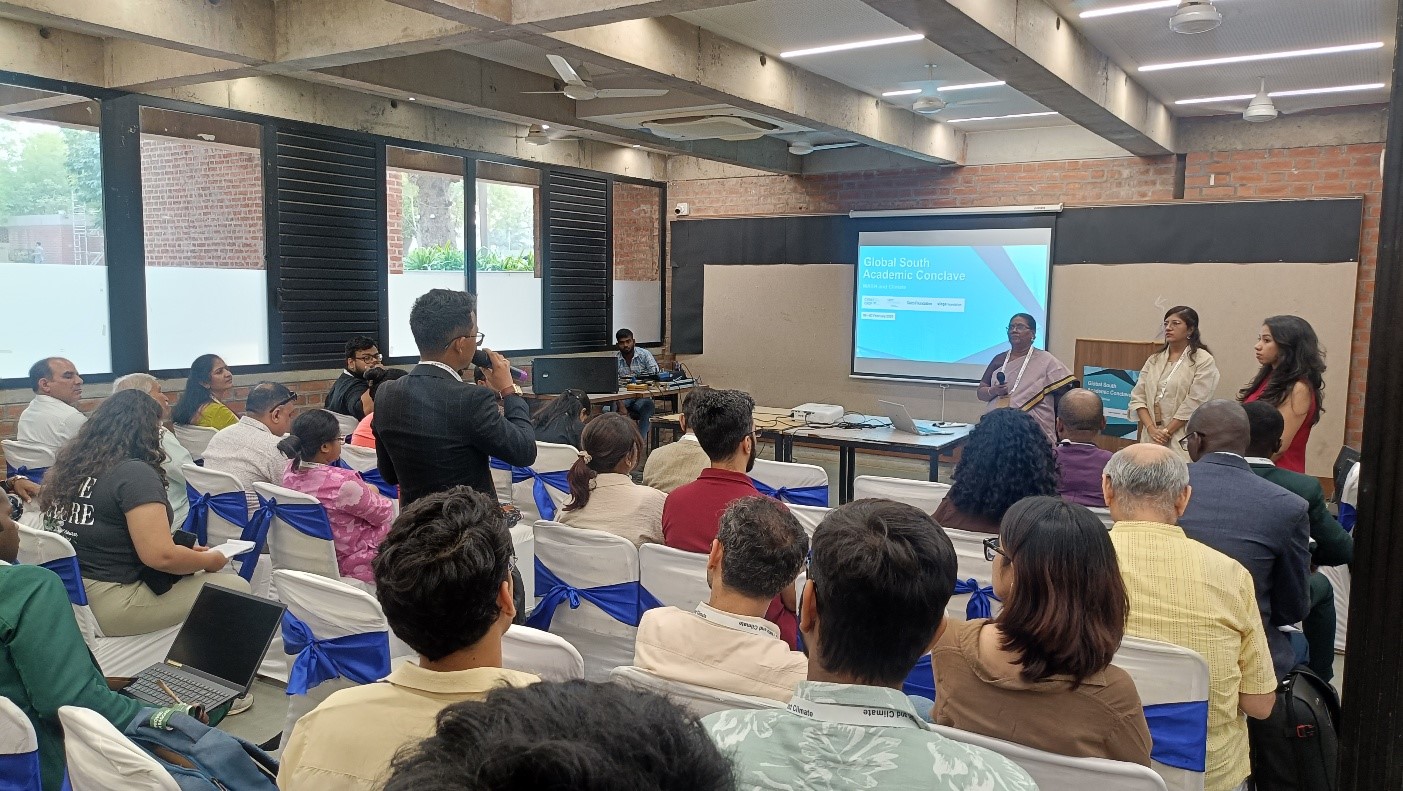
The presentation emphasized that community-led approaches offer more sustainable solutions. Examples included user-fee-based systems in Kerala, active involvement of women’s SHGs in Tamil Nadu, and social audits in Karnataka. Key recommendations focused on strengthening local governance through dedicated sanitation funding, introducing nominal user fees for accountability, and shifting from reactive repairs to preventive maintenance systems. Overall, the message was clear: achieving sustainable WASH outcomes requires empowering local institutions, improving governance, and ensuring continuous service delivery—not just creating infrastructure.
creating infrastructure. The conclave brought together over 700 participants from nearly 50 countries—including researchers, policymakers, utilities, corporates, multilateral agencies, development partners, and students—fostering a rich exchange of ideas and global perspectives.