
“My Journey with DHAN Foundation”
S.Ahila Devi, Programme Leader, DHAN Foundation
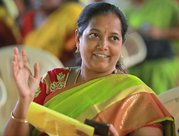
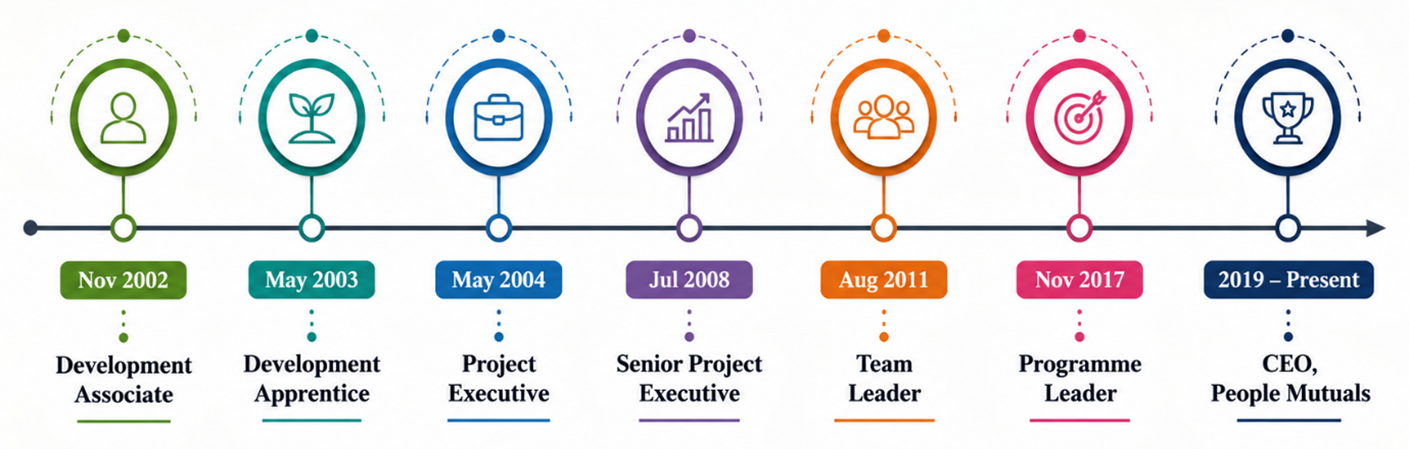
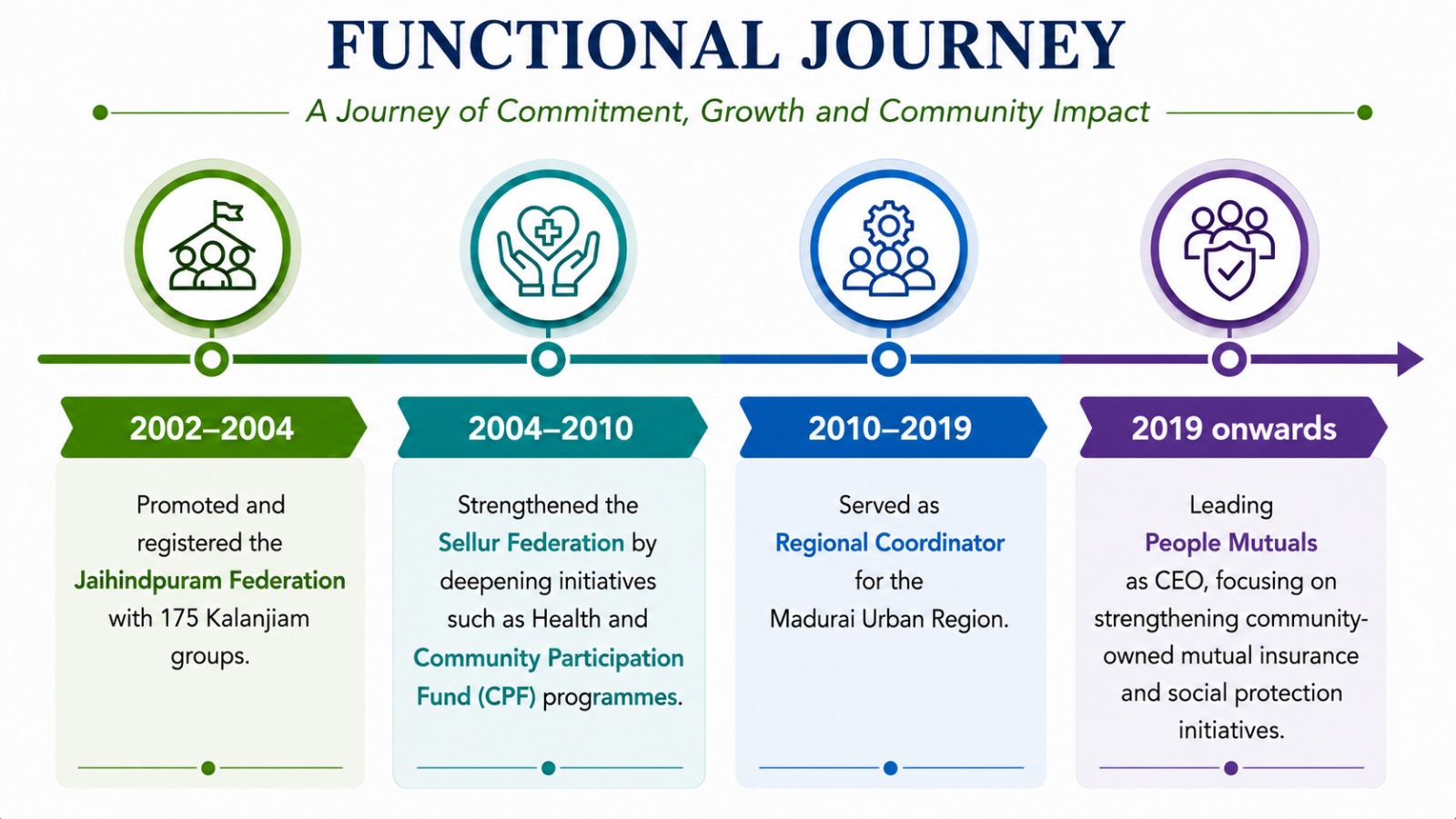
My journey with DHAN Foundation began in 2002 with a simple desire to work with communities and contribute to their development. After completing my postgraduate degree in Agricultural Sciences from the Agricultural College and Research Institute (AC & RI), Madurai, I joined the Kalanjiam Community Banking Programme in the Madurai Urban Region. Every interaction with women, families, and community institutions became an opportunity to learn and grow. Over the years, these experiences shaped not only my professional career but also my values and understanding of development. I came to realize that development is not about charity but about building partnerships, trust, and people's institutions.
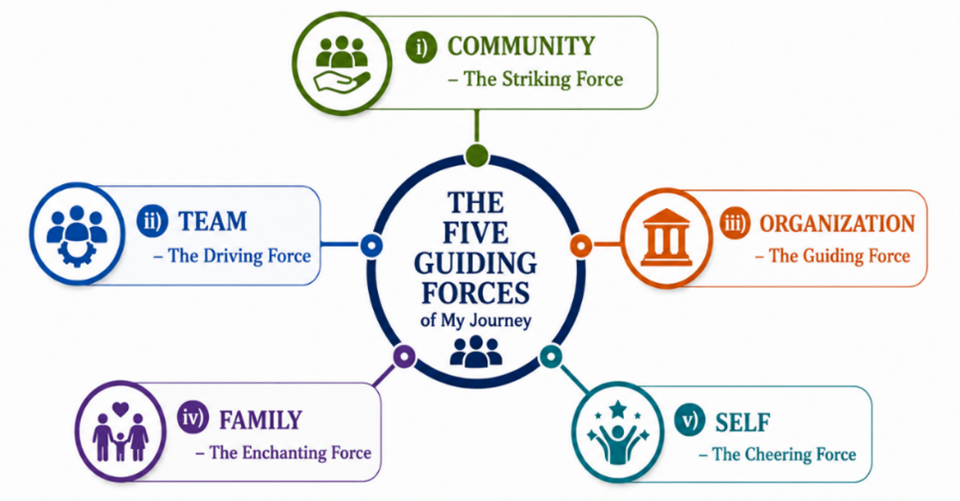
The Five Guiding Forces of My Journey
Every meaningful journey is shaped by the people, values, and experiences that inspire us. Throughout this 24-year journey, I have been guided by five enduring forces—community, team, organization, family, and self. The resilience of community members, the encouragement of mentors and colleagues, the learning opportunities provided by DHAN Foundation, the unwavering support of my family, and my commitment to continuous learning have shaped me into the leader I am today. It has been a journey that continues to inspire me with a deeper purpose: to serve communities with compassion, strengthen people's institutions, and help create secure, resilient, and dignified lives.
i) Community – The Striking Force
I sincerely thank DHAN Foundation for giving me the opportunity to work closely with communities. This has been the most rewarding part of my journey.
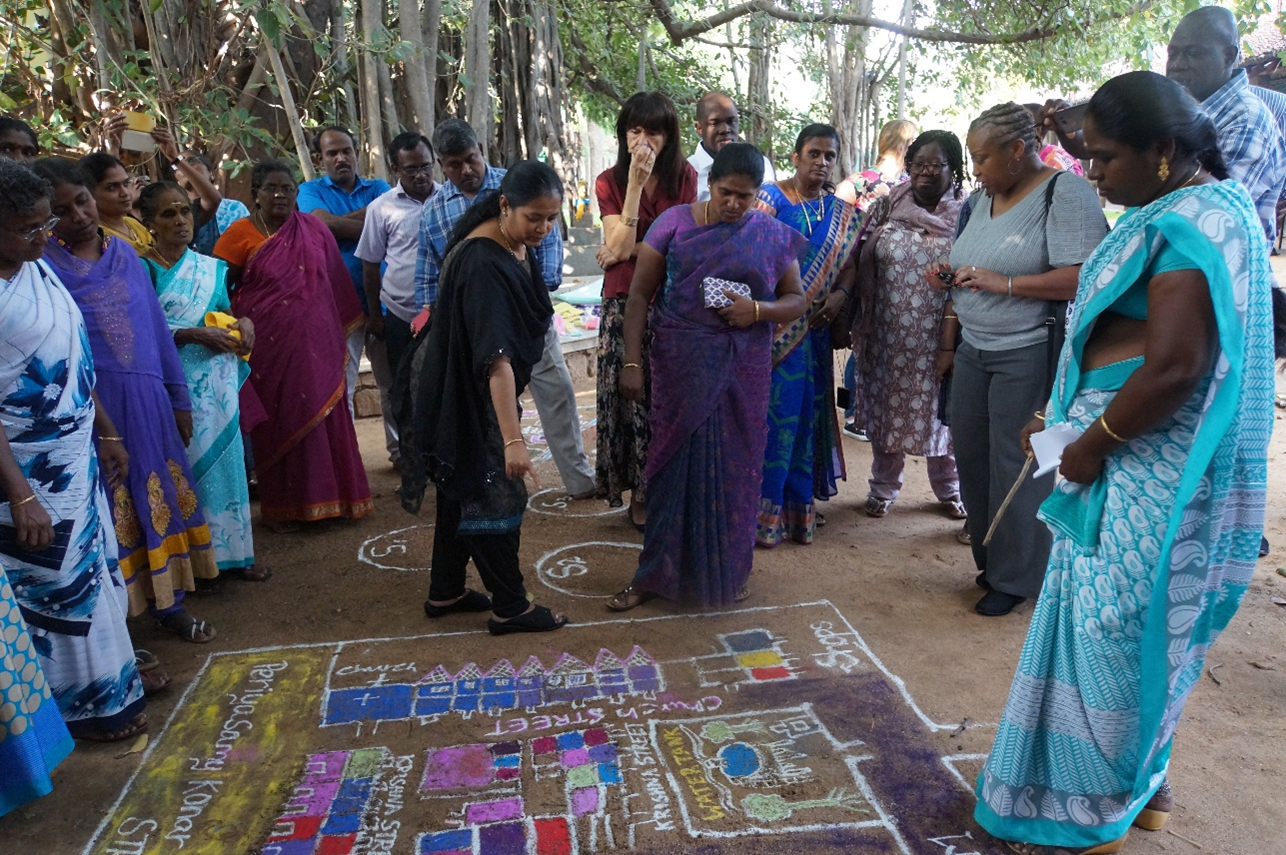
Every year, I have spent considerable time with community members, especially while designing mutual insurance products, conducting training programmes for Vice Presidents and Mutual Leaders, and interacting with members during institutional events. Despite facing numerous personal and financial challenges, our community leaders continue to inspire me with their resilience, optimism, and commitment. They have taught me the importance of trust, compassion, and maintaining positive relationships. Institutional processes such as Goal Setting Exercises, Search Conferences, and Self-Regulation Exercises have been among the most fulfilling experiences of my career. These interactions have strengthened my relationship with community members and increased not only their enthusiasm but also my own passion for development work.
ii) Team – The Driving Force
I strongly believe that people are the greatest strength of any institution. I have been fortunate to work with highly committed leaders and colleagues whose dedication has been instrumental in the success of our programmes. Rather than working individually, we built a culture of shared responsibility, mutual trust, and collective ownership. This enabled us to overcome challenges together and achieve our goals.
Today, I am proud that my team is held together by a shared vision, mutual respect, and a spirit of collaboration. These qualities have transformed us into a high-performing team.
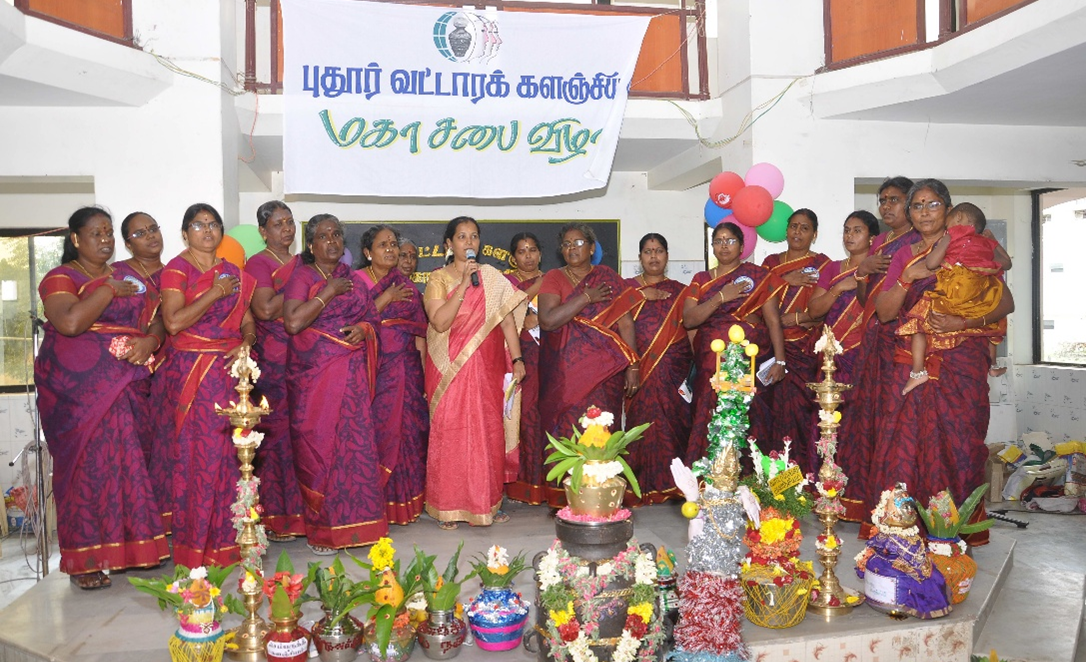
iii) Organization – The Guiding Force
DHAN Foundation has been my greatest learning institution. I have had the privilege of learning from our senior leaders, mentors, Programme Leaders, CEOs, and colleagues. Their strategic guidance, timely support, and continuous encouragement helped me strengthen my technical knowledge, leadership skills, and conceptual understanding of development.
Reading extensively on development themes and participating in programmes such as ART, DMP, CFM, Symposiums, National and International Webinars, and Permanent working groups have broadened my perspective and enhanced my professional capabilities. These learning opportunities have helped me maintain high standards of quality while performing my responsibilities.
iv) Family – The Enchanting Force
Behind every successful professional is a supportive family. My husband, parents, and children have been my greatest source of strength throughout my journey. Their encouragement, understanding, and unconditional support have enabled me to dedicate myself wholeheartedly to community development. A strong family provides emotional stability, confidence, and resilience. I consider myself truly fortunate to have a loving family that has always stood beside me during every stage of my career.
v) Self – The Cheering Force
Over these 25 years, I have continuously invested in my own learning and development. My journey has gone far beyond microfinance. It has given me opportunities to work in community institutions, mutual insurance, social protection, partnerships, capacity building, and institutional development.
One of my greatest satisfactions has been mentoring young professionals and helping them realize their potential. Seeing them grow into capable leaders gives me immense happiness. My biggest sources of motivation have always been positive thinking, self-discipline, personal commitment, and a desire to make a meaningful difference in people's lives. I firmly believe that continuous learning, humility, and commitment to excellence are the foundations of effective leadership.
Unique Practices as an Institutional Leader
Over the years, I have learned that institutional leadership is about creating systems, empowering people, and sustaining performance, rather than depending on individuals. Clarity in leadership enables sound decisions on the use of resources, people management, and the effective utilization of time.
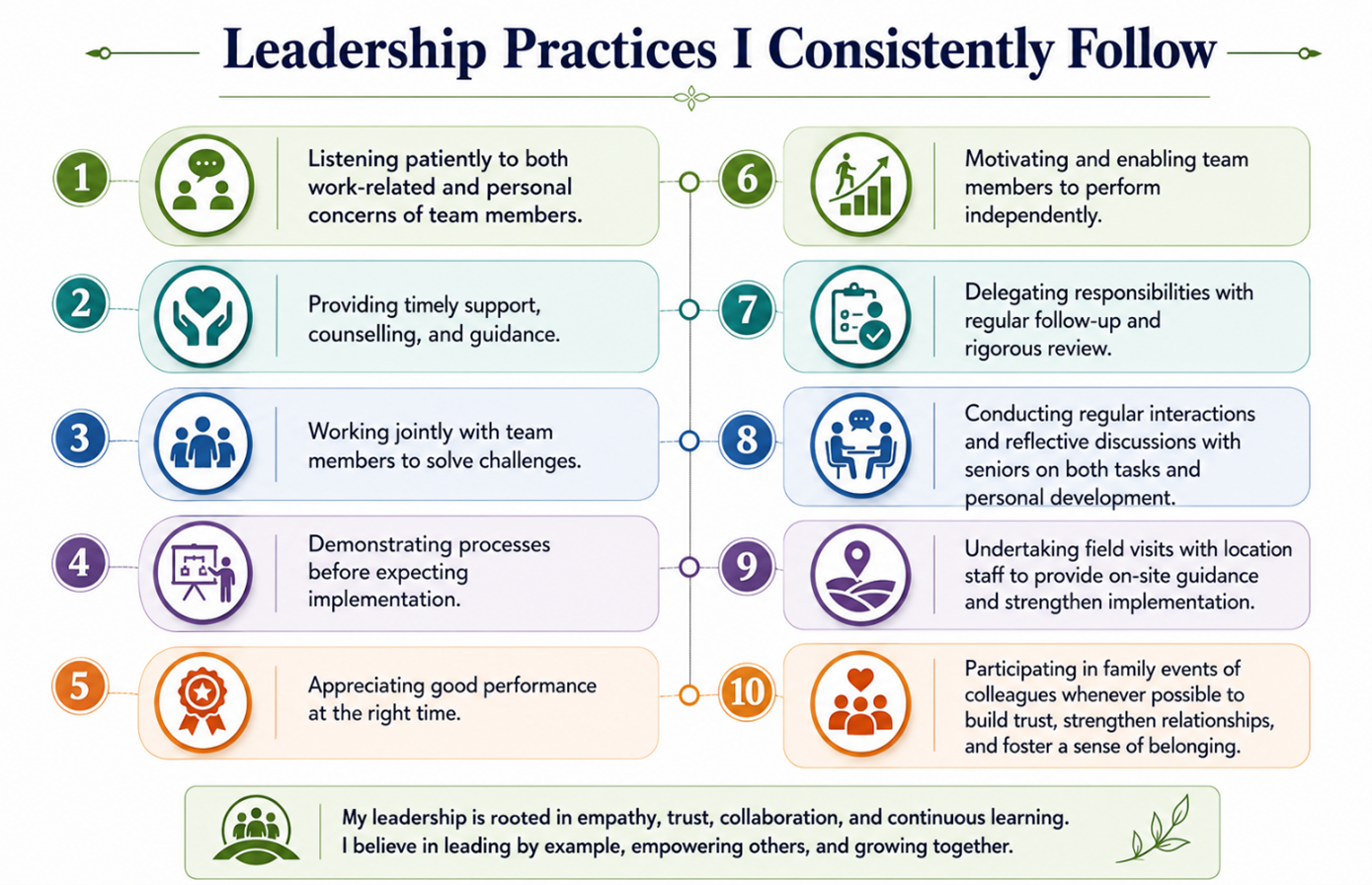
To ensure disciplined implementation, I established structured management practices, including clear role allocation, task division, monthly targets, weekly reviews, systematic reporting, and strong teamwork. These processes brought greater accountability, ownership, and consistency in achieving programme goals. I have always placed equal emphasis on process measures as well as performance measures. I believe that sustainable results emerge from strong interpersonal relationships, mutual trust, and collective effort. My role as a leader has been to define expectations, plan systematically, review progress, measure outcomes, and continuously improve both individual and team performance.
One of my leadership principles has been to understand every team member both professionally and personally. Managing human resources requires continuous mentoring, guidance, and handholding. Quality improves when leaders invest time in their teams by providing direction, clarifying expectations, and creating opportunities for learning. I strongly believe that leaders should inspire by example, demonstrating discipline, rigor, and meticulousness in their own work before expecting the same from others.
Throughout my journey, I have found that influencing mindsets and shaping attitudes are as important as assigning responsibilities. Demonstrating new ideas, building confidence, and earning acceptance before implementation have consistently resulted in successful outcomes.
Leadership Through Collaboration
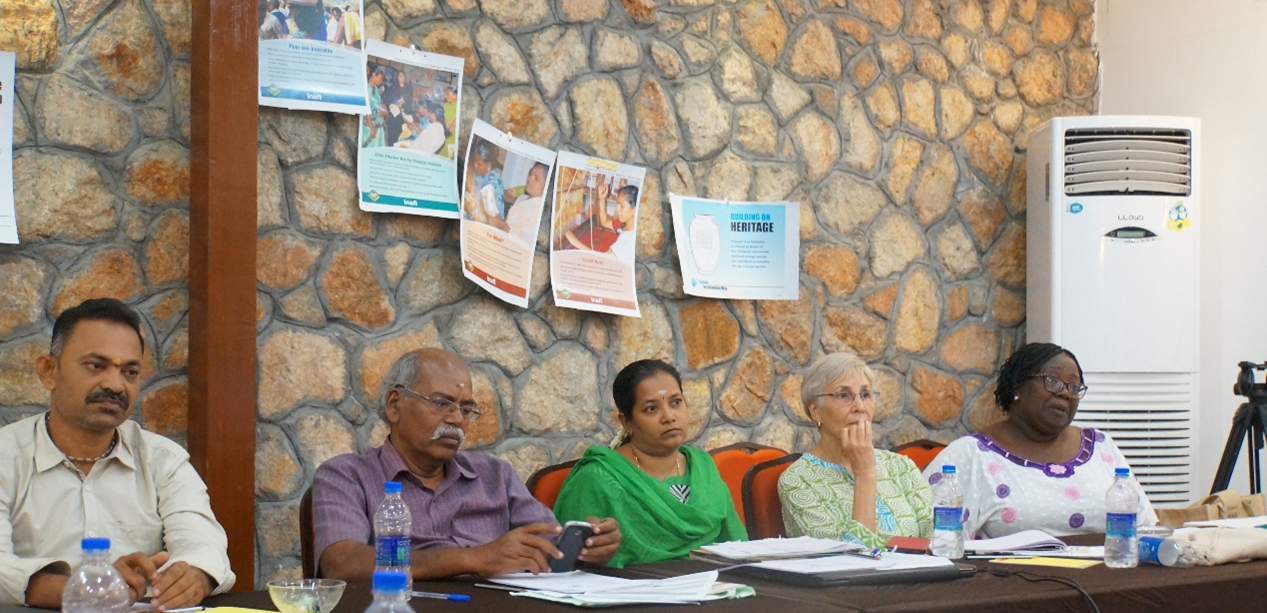
As my journey with DHAN Foundation grew, I realized that development is not limited to the communities we work with. It also grows through learning from others and building meaningful partnerships. I had the opportunity to represent DHAN Foundation and People Mutuals on several national and international platforms. These experiences helped me improve my technical knowledge, leadership skills, and understanding of community-led mutual insurance.
I represented DHAN Foundation in global networks such as the Microinsurance Network (MiN), ICMIF, CAMIC, and ICRW. I also organized international webinars and discussions on inclusive insurance and mutuality, contributed to the Swiss Re Sustainable Development Goals (SDG) Working Group, worked with IBISA on innovative risk management initiatives, and actively participated in the Gender and Best Practices Working Groups of the Microinsurance Network.
These opportunities allowed me to bring new ideas and global learning back to DHAN. At the same time, they gave me the privilege of sharing our community-owned mutual insurance model with people from different parts of the world. Every interaction strengthened my belief that when local innovation is combined with global collaboration, it can create lasting solutions for vulnerable communities.
My engagements with organizations such as ISF and IBISA taught me an important lesson. We never tried to present ourselves as a model to be admired. Instead, we allowed our community members to share their own stories. Whenever visitors met our women leaders and farmers, their real-life experiences spoke more powerfully than any presentation. Their confidence, honesty, and commitment reflected the true strength of our work. Those moments reminded me that the greatest ambassadors of DHAN are the people we serve.
Learning Beyond Borders and A Recognition That Belonged to Everyone
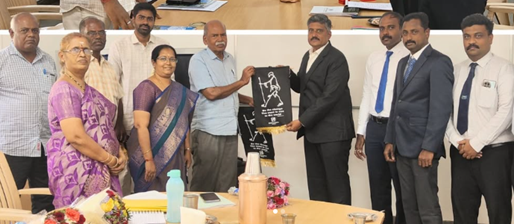
One of the most memorable milestones in my journey was visiting Sri Lanka in 2025 as a Technical Assistant to SANASA Life Insurance. It was a valuable learning experience.
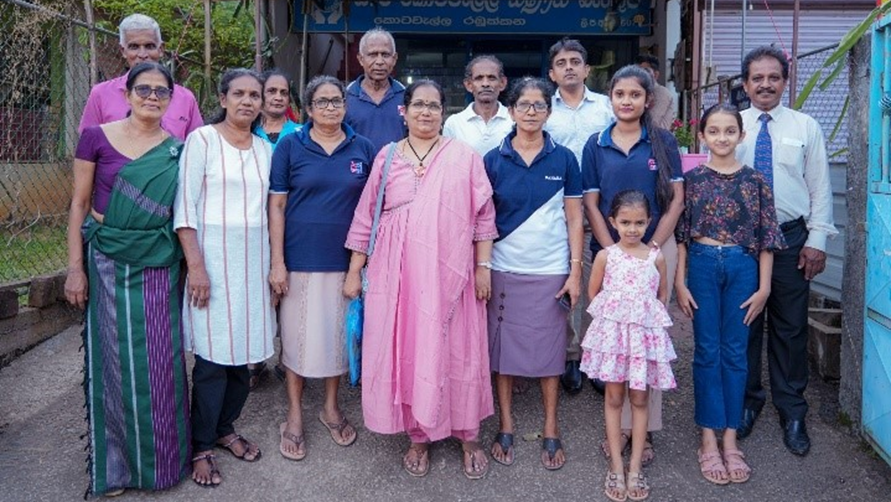
I interacted with cooperative institutions, professionals, and community leaders to understand how mutual insurance works in another country. Although our systems and cultures were different, the values of trust, mutual support, and collective responsibility were the same. The learning was mutual. While I learned from their institutional systems and claims management practices, I also shared the experiences of People Mutuals, especially our approach to grassroots participation and building trust within communities.
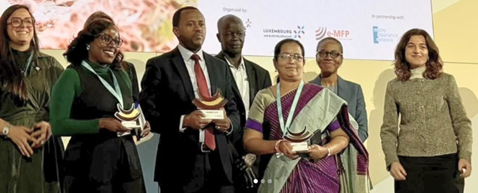
Another proud moment came when I was recognized as the Runner-Up at EMA 2025. I never saw it as a personal achievement. To me, it was recognition for the community-owned model that thousands of women leaders and members have patiently built over the years. The award reminded me that a model based on trust, dignity, and people's participation can earn recognition even on global platforms. More importantly, it strengthened my responsibility to continue improving and strengthening the institutions we have created together.
Looking Back with Gratitude
As I look back on my journey with DHAN Foundation, I feel grateful to everyone who has been part of it—my mentors, colleagues, community leaders, partners, and my family. Each one has played an important role in shaping who I am today. When I reflect on these years, I realize that my greatest achievement is not the positions I have held or the programmes I have managed. It is the relationships I have built, the institutions I have helped strengthen, and the people I have had the opportunity to learn from and work alongside.
The trust of communities, the encouragement of my mentors, the commitment of my colleagues, and the constant support of my family have given me the confidence to keep moving forward. Even today, my journey continues with the same purpose. I want to keep learning, mentoring young professionals, encouraging innovation, and strengthening people's institutions so that more families can live with security, resilience, and dignity.
For me, leadership has never been about authority. It is about helping others grow, building institutions that last, and creating opportunities for people to lead better lives.
"DHAN Foundation has given me much more than a career. It has given me a purpose, an identity, and a lifelong mission to serve people."
Annexures
| Brief about the Organizations | |
|---|---|
| EMA - European Microfinance Award |
An international award recognizing excellence and innovation in financial inclusion and community development. European Microfinance Award 2025 |
| ISF - InsuResilience Solutions Fund |
A global initiative supporting climate risk insurance solutions for vulnerable communities. ISF DHAN Case Study |
| IBISA |
A global insurtech company providing technology-based climate risk insurance solutions. Case Study: Building Climate-Resilient Agro-Ecosystems for Smallholder Farmers in India | IBISA Network |
| MiN - Microinsurance Network |
A global network promoting inclusive insurance through collaboration and knowledge sharing. Home | Microinsurance Network |
| ICMIF - International Cooperative and Mutual Insurance Federation |
A global federation supporting cooperative and mutual insurers through collaboration and capacity building. DHAN Foundation provides mutual microinsurance cover to over 200,000 previously uninsured people in first year of the 5-5-5 Strategy |
| CAMIC - Canadian Mutual Insurance Association | An international association of Canadian mutual insurers that promotes mutuality, collaboration, and support for community-based insurance initiatives worldwide. |
| ICRW - International Center for Research on Women | A global research organization advancing gender equality and women's empowerment. |
| Swiss Re |
One of the world's leading reinsurance companies, supporting innovation, climate resilience, and sustainable development through global partnerships and research. Swiss Re Group | Swiss Re |
“The Selfless Leader Who Built Leaders”
Ms.Mangaiyar Karasi of Manickampatti, Palamedu Vattara Kalanjiam, Madurai Rural Region
"If I Grow Alone, It Is Not Enough"
When people first meet Mangaiyar Karasi from Manickampatti village in the Madurai Rural Region, they see an ordinary village woman—a farmer, a tailor, a wife, and a member of the Tirupathi Kalanjiam under Palamedu Vattara Kalanjiam. Yet behind this simple identity lies the remarkable story of a woman whose quiet determination transformed not only her own life but also the lives of countless women around her. Today, Manickampatti is proudly recognized as a "Kalanjiam Village" with 22 active Kalanjiams, but this success began with one timid woman who once feared speaking even a few words in front of others. Looking back on her journey, Mangaiyar Karasi often says, "It was only after joining Kalanjiam that I came to know the outside world." Before becoming a member, her world was limited to her home. Raised to be shy and obedient, she rarely interacted with people outside her family. She knew only household responsibilities and cooking. Speaking in public or taking responsibility for others was something she never imagined herself doing. Marriage did not change that reality. It was the Kalanjiam movement that slowly opened a new world of opportunities, confidence, and purpose.
Like many women, she initially joined Kalanjiam to improve her family's livelihood. Her first Kalanjiam loan of ₹10,000 was invested in purchasing fertilizer for her guava orchard. The results encouraged her to dream bigger. Later, she borrowed ₹50,000 to drill a borewell in her agricultural land, ensuring a dependable water source for cultivation. With improved irrigation, she expanded her farming activities by cultivating guava, papaya, and chilli. Whenever agricultural investments or family needs arose, Kalanjiam loans became a reliable source of support, helping her strengthen both her livelihood and her family's financial stability. But what truly distinguished Mangaiyar Karasi was not the benefits she received—it was what she chose to do with them. Instead of keeping her success to herself, she began asking a simple yet powerful question: "If Kalanjiam has transformed my life, why shouldn't other women also experience the same change?" That thought became the foundation of her life's mission. During the "100 Kalanjiams in 100 Days" campaign, she took the initiative to mobilize women in her own village. She patiently went from house to house, encouraged hesitant women, answered their questions, and personally facilitated the formation of five new Kalanjiams. Those five groups eventually grew into 22 active Kalanjiams in Manickampatti, making the village an inspiring model of women's collective action. Her greatest satisfaction was never in counting the number of groups she formed but in witnessing the confidence that blossomed in women who once doubted themselves, just as she once had.
Her own journey as a leader was equally inspiring. There was a time when her Kalanjiam itself was on the verge of collapse. Membership had fallen to only eleven women, and no one was willing to take up leadership responsibilities. Some members even suggested dissolving the group altogether. As uncertainty filled the meeting, Mangaiyar Karasi quietly stood up and volunteered to become the leader. Instead of encouragement, she was met with skepticism. People questioned, "How will this girl speak? How can she manage a group?" They saw only the shy woman she had once been. Mangaiyar Karasi chose not to answer with words but with actions. She worked patiently, rebuilt members' confidence, encouraged participation, improved discipline, and gradually strengthened the functioning of the Kalanjiam. Over time, membership increased to 20 active women, and the group became one of the best-performing Kalanjiams in the area. During quality assessments at the area level, the group rose from the lowest grade to the highest grade, proving that genuine leadership is measured not by loud speeches but by consistent action. Today, the very people who once questioned her leadership proudly say, "Only after Mangai became our leader did our group truly flourish."
Creating Leaders, Not Followers
Perhaps Mangaiyar Karasi's greatest contribution lies in her ability to create new leaders rather than followers. Her influence extends well beyond her own Kalanjiam. Her relatives living in different villages have all become Kalanjiam members, and within her extended family, discussions about which Kalanjiam a newly married woman should join often begin even before the wedding takes place. Smiling with pride, she says, "Our entire family is a Kalanjiam family." Her leadership inspired many women, including Ramana, the leader of Aiswaryam Kalanjiam. Ramana recalls moving from Madurai town to Balamedu only a year earlier. Initially, she had little interest in women's groups. However, after observing the confidence, unity, and values of village women, she realized that these were qualities worth learning and preserving. Inspired by Mangaiyar Karasi, she decided to form a Kalanjiam herself. Within just one and a half years, her group experienced remarkable progress. Whenever Ramana reflects on those achievements, she remembers the woman who patiently guided her from the very beginning. "Mangai Akka formed our Kalanjiam and continues to guide us whenever we need advice," she says.
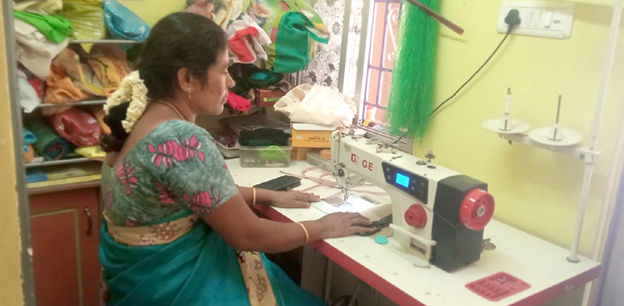
Ramana particularly admires Mangaiyar Karasi's selfless nature. Besides farming, Mangaiyar Karasi earns her livelihood through tailoring. She owns a sewing machine and stitches clothes for women in the village. Yet whenever someone visits her, she happily says, "Come, I'll teach you tailoring. I'll even cut the cloth for you. You can stitch it yourself." Curious, Ramana once asked her, "If everyone learns tailoring from you and starts stitching blouses themselves, won't your own income decrease?" Mangaiyar Karasi simply smiled and replied, "If they stitch their own blouses, their expenses will reduce." That single answer revealed the true essence of her character. She never measured success by the income she earned but by the number of people whose lives became easier because of her. Such generosity is rare. Ramana says that by simply observing Mangaiyar Karasi's way of living, she has learned valuable lessons about leadership, kindness, and service. Even Mangaiyar Karasi's husband plays an important role in her journey. Whenever Kalanjiam activities require her time, he supports and encourages her wholeheartedly. Inspired by their partnership, Ramana often tells her own husband about the importance of supporting community work, and today he too motivates her to contribute whenever an opportunity arises to help society. Leadership, she believes, spreads not through speeches but through living examples.
The Ripple Effect of Selfless Leadership
Mangaiyar Karasi's own livelihood also reflects continuous progress made possible through the Kalanjiam movement. Using one loan, she upgraded her hand-operated sewing machine to a pedal-operated machine. Later, another Kalanjiam loan enabled her to purchase an electric sewing machine. Today, she earns approximately ₹600 to ₹700 a day through tailoring while continuing to manage her agricultural activities. Whether she is working in her fields, stitching clothes, or managing household responsibilities, one thing remains unchanged—whenever the Kalanjiam office calls, she immediately makes herself available. Service to the community has become a natural part of her life. Those around her often say that except during sleep, she is always engaged in some meaningful work, constantly helping others, learning something new, or encouraging another woman to move forward. Yet her greatest achievement cannot be measured by agricultural success, daily income, or the number of Kalanjiams she established. Her real legacy lies in the confidence she has nurtured in hundreds of women. Women who were once hesitant to speak now confidently conduct meetings. Women who never imagined themselves as leaders now head their own Kalanjiams.
Women who once depended entirely on others now make financial decisions and contribute to their families' prosperity. This is the enduring ripple effect of selfless leadership. Mangaiyar Karasi did not simply build successful Kalanjiams—she built confident women, responsible families, and a new generation of leaders. Through every life she has touched, she continues to demonstrate that true leadership is not about standing above others but about lifting others until they can stand confidently on their own. That is the true strength of the Kalanjiam movement, and as leaders like Mangaiyar Karasi continue to inspire women across villages, only one thing keeps falling behind—poverty.
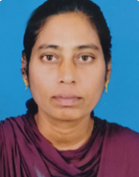
“Esammal: The Woman Who Found Her Voice Through Service”
A Dream to Help Others
In the small village of Pandur in Tiruvallur district, Esammal was born into a simple farming family as the second daughter. She grew up in a house where life was not always easy, but love and hard work were never in short supply. She had three siblings, but losing her elder sister at a young age brought great sorrow to the family. That painful experience made her more sensitive to the struggles of others.
Esammal studied up to the tenth standard. Although she could not continue her education, she always wanted to learn more about the world. Whenever she saw someone in difficulty, she wished she could do something to help. At that time, she did not know that this simple desire would one day become the purpose of her life.
In 1997, she first heard about Kalanjiam, a community movement that worked for the development of poor women and villages. Something about its mission touched her heart. Without hesitation, she went to the Thiruvalangadu Kalanjiam office and asked for a job. The Project Executive, Ms. Latha, interviewed her and offered her a chance to work.
The beginning was not easy. Esammal accompanied senior staff to villages, but she was too shy to speak. She worried that she might say something wrong. While others confidently interacted with the community, she quietly stood beside them, observing and learning. Even though she was afraid, she never lost her desire to serve. Recognizing her sincerity, her Project Executive decided to send her for a residential training program for Community Organizers/Associates. That decision changed her life forever.
The Training That Changed Everything
In 1999, Esammal joined the Movement Workers Training at the DHAN People Academy. It was her first experience staying away from home for such a long period. She immediately loved the atmosphere. Every day began with morning prayer, physical work, group activities, and discussions. The disciplined environment helped her grow not only as a worker but also as a person.
The trainers encouraged every participant to read, think, and ask questions. Esammal took every lesson seriously. She would stay awake at night reading her lessons and writing down notes, just like a school student doing homework. The next morning, she would clear all her doubts with the trainers. Among all the subjects, one captured her heart the most—Participatory Rural Appraisal (PRA). She learned how to identify the poorest families, understand village life, involve local people in discussions, and plan development activities together with the community instead of making decisions for them.
The practical sessions made the learning even more meaningful. During a field visit to a village near Puducherry, she was asked to speak with local people for the first time. Initially, she was nervous. But something unexpected happened. The villagers welcomed her warmly. They spoke with affection, listened carefully, and encouraged her. That one experience completely changed her thinking. She realized that people were ready to listen if someone approached them with sincerity and respect. The fear that had held her back for years slowly disappeared. Confidence took its place. From that moment, Esammal was no longer just a quiet worker. She became a community worker.
Building Strong Communities, One Group at a Time
After completing her training, Esammal was assigned to Kaverirajapuram. When she arrived, there was only one Kalanjiam group in the area. Many people might have seen this as a challenge, but she saw it as an opportunity. Using the skills she had learned during training, she visited villages, met women, listened to their problems, and patiently explained the purpose of Kalanjiam. Slowly, trust began to grow. Within a short period, one group became thirty-five.
Later, she was transferred to Chinnammapettai, where there were already thirty-six groups. She worked with the same dedication and expanded the number to forty-six groups. Her contribution did not stop with her own area. Staff members from other regions also sought her guidance. She trained a worker from Poondi Region on how to organize Kalanjiam groups in urban areas. With her support, two new Kalanjiams—Marikolundu and Bharathamatha—were successfully started.
For Esammal, success was never about personal achievement. She believed that if one person learned something useful, it should benefit everyone. Helping another worker become successful gave her as much happiness as building her own groups. She also learned the importance of planning. During her training, every community was encouraged to prepare an annual action plan together. She introduced the same practice in her villages. Women learned to save regularly, provide loans to members, earn interest income, and gradually become financially self-reliant. Community funds began supporting education, healthcare, and other family needs. The groups no longer depended entirely on outside assistance. Interestingly, Esammal also applied these lessons in her own life. She started planning her family's annual income and expenses, developed the habit of saving, and learned to spend wisely. The lessons she taught others became the principles by which she lived.
A Life Transformed by Service
There came a period when Esammal stayed away from work for nearly two years. Yet the women leaders of the Kalanjiam movement never forgot her. They visited her personally and encouraged her to return. They believed that the knowledge and experience she had gained should benefit not just one village but the entire region.
In 2019, she was appointed to work at the DHAN Resource Centre with wider responsibilities. Their confidence in her became a source of strength. She often says that because people trusted her so deeply, she never allowed self-doubt to take control of her life again. The discipline she learned through Kalanjiam also transformed her family. Through careful saving and financial planning, she was able to arrange the marriages of her younger sister and brother without falling into financial hardship.
Today, she confidently handles work related to banks, government departments, and livelihood activities—things she once believed were beyond her ability. When she looks back, she does not measure her journey by promotions or titles. Instead, she remembers the shy young woman who once stood silently behind others, afraid to speak. Today, Esammal believes that the greatest gift Kalanjiam gave her was not just a job—it was a new life. It transformed an ordinary village woman into a confident community leader who has helped hundreds of women build stronger families, stronger institutions, and brighter futures.
Her dream is still alive. She hopes to spend the rest of her working life serving the people of Thiruvalangadu and creating more than 500 Kalanjiam groups, touching thousands of lives through unity, savings, self-reliance, and hope.
Esammal's story reminds us that true leadership does not begin with confidence. It begins with a sincere desire to serve. When that desire is supported by learning, hard work, and trust, even the quietest voice can inspire generations.