The Role of Eco Development Committees (EDCs) in Forest Conservation
23 Batches | 55 Eco Development Committees | 10 Districts | 155 Villages | 465 Participants
Introduction
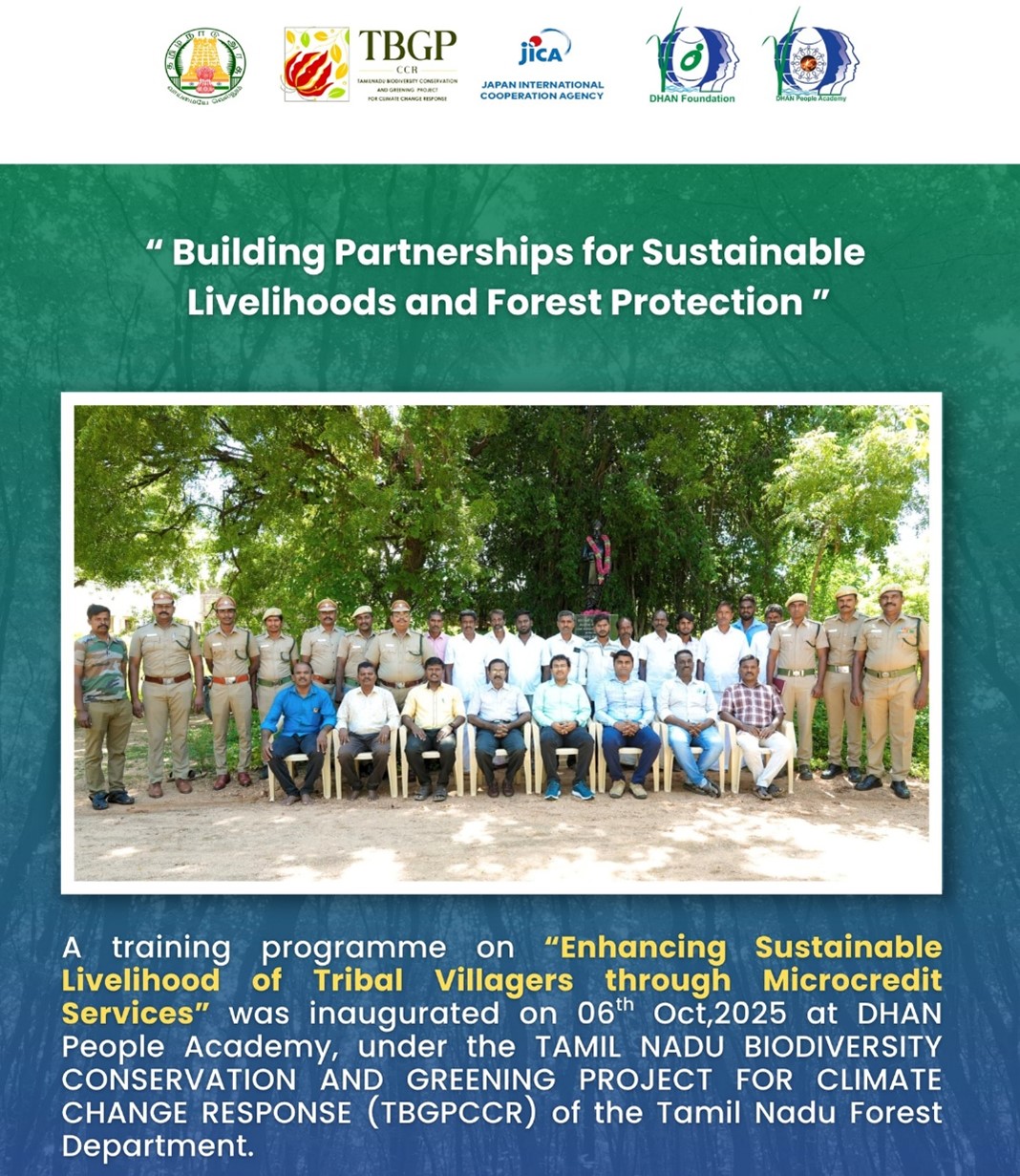
The growing challenges of climate change, biodiversity degradation and livelihood insecurity are deeply intertwined, particularly in the forest fringe and tribal landscapes of Tamil Nadu. Recognising this reality, the Tamil Nadu Forest Department, under the Tamil Nadu Biodiversity Conservation and Greening Project for Climate Change Response (TBGPCCR), partnered with DHAN People Academy (DPA) to design and implement an intensive capacity building training programme aimed at strengthening Eco Development Committees (EDCs) and promoting sustainable livelihoods among tribal communities. The programme, titled “Enhancing Sustainable Livelihood of Tribal Villagers through Microcredit Services”, was conducted at DHAN People Academy, Pulluthu, and emerged as one of the most comprehensive community-oriented training interventions under the TBGPCCR initiative.
Purpose of the Programme
The core purpose of the training programme was to create sustainable livelihoods for tribal villages through microcredit services, strengthened people’s institutions and climate-resilient community practices. The programme was grounded in the understanding that long-term forest conservation is inseparable from community well-being and economic security. Rather than treating conservation and development as separate agendas, the initiative sought to integrate them through institutional strengthening and people-led governance.
Scale and Coverage
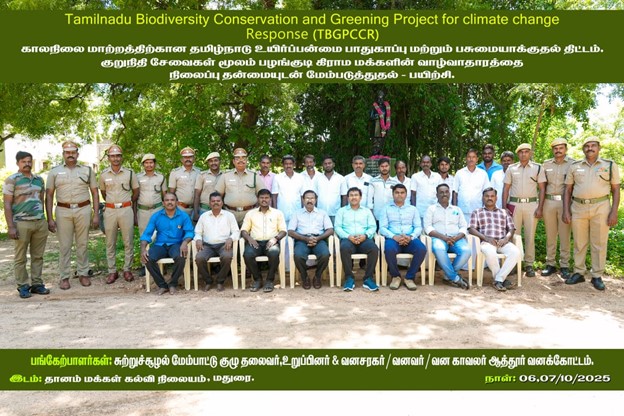
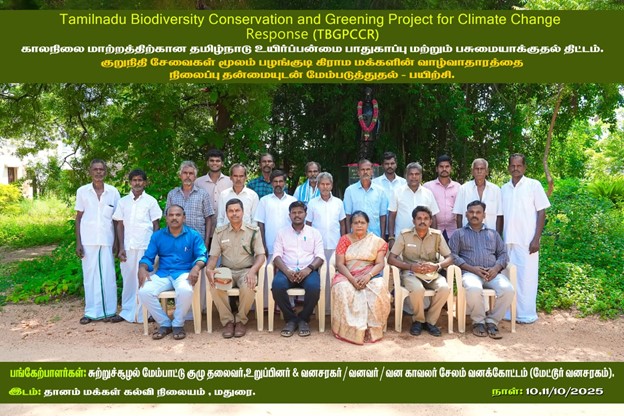
The programme was implemented on an impressive scale over a period extending from January 2026 to 11 December 2026. A total of twenty-two batches were conducted, covering one hundred and fifty-five Eco Development Committees and reaching four hundred and sixty-five participants from ten districts of Tamil Nadu, including Namakkal, Salem, Vellore, Thirupathur, Thiruvannamalai, Dharmapuri, Erode, Trichy, Villupuram and Dindigul. Each batch involved a two-day residential training, creating sufficient space for learning, interaction and reflection. Each batch includes the mixed representations of EDC Presidents, EDC Members, Forest Department Staff – Foresters, Forest Rangers and Forest Police.
Participants and Collaborative Learning Environment
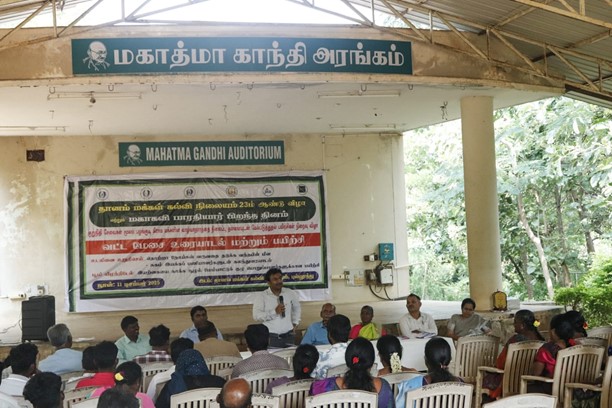
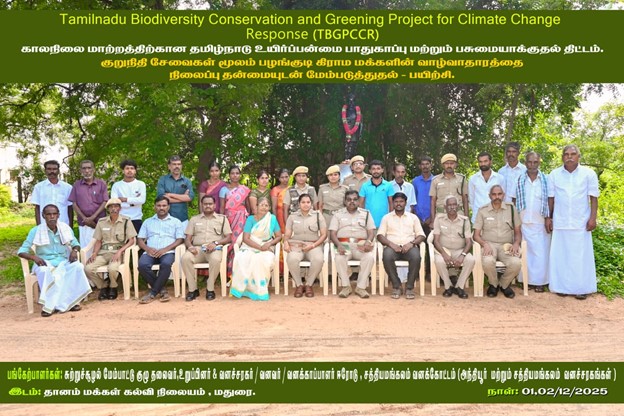
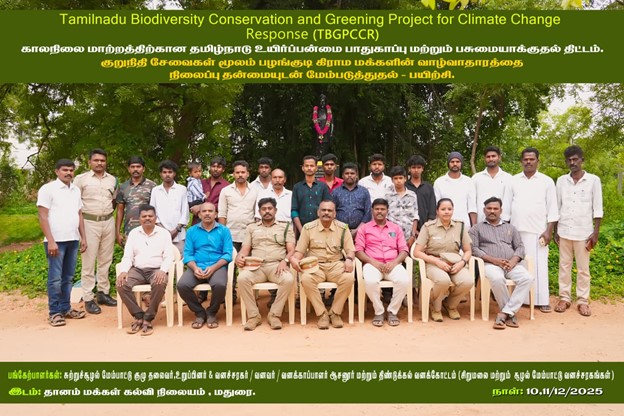
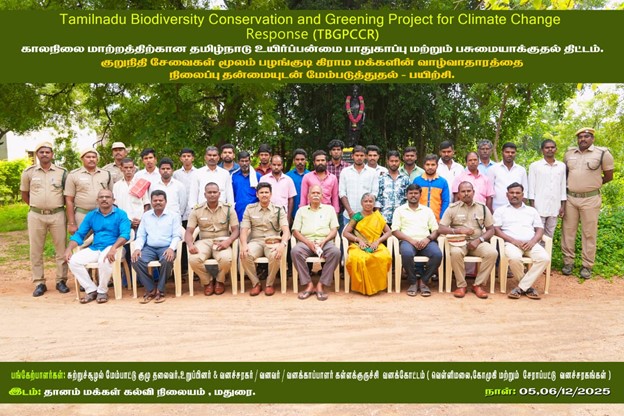
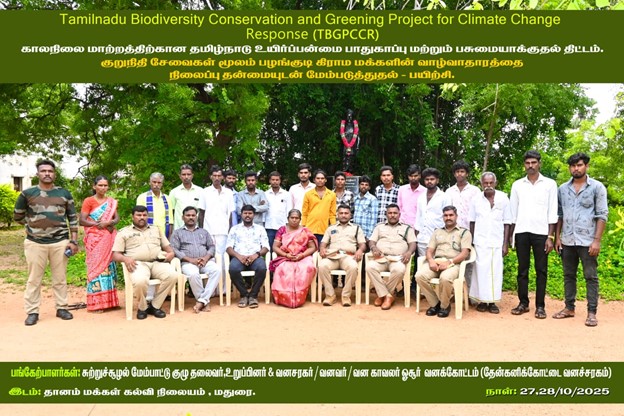
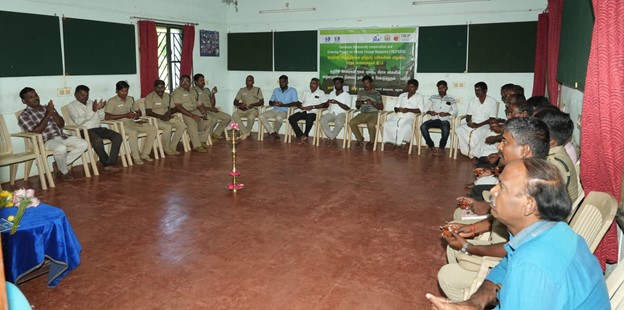
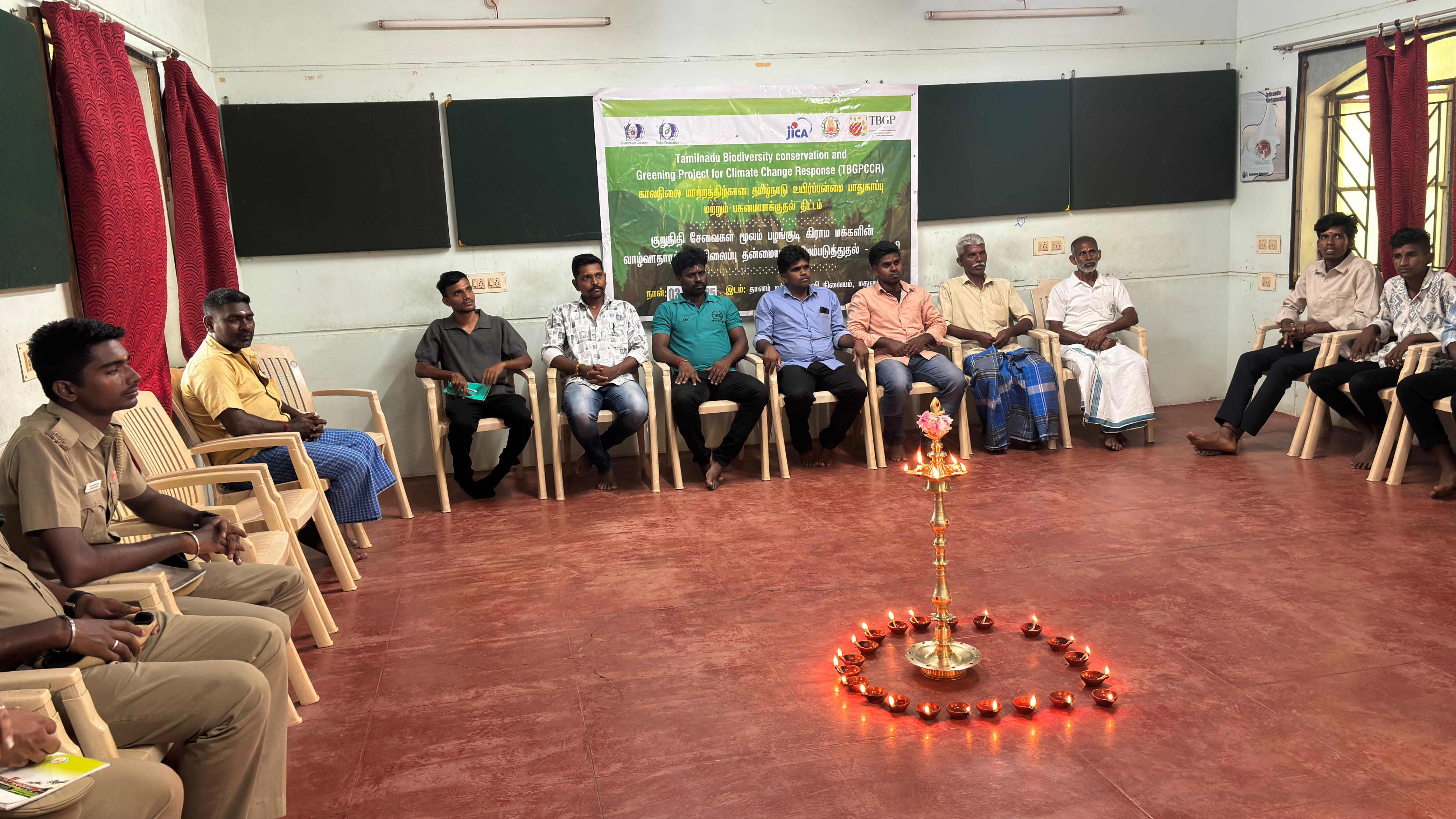
A distinctive feature of the programme was its participant composition. Presidents and members of Eco Development Committees attended alongside Forest Range Officers, Foresters and Forest Guards. This created a collaborative learning environment where community institutions and the Forest Department engaged as equal partners. The training process fostered mutual respect, shared understanding and improved coordination, laying the groundwork for more effective joint action in forest management and livelihood development.
Inaugural Session and Leadership Messages
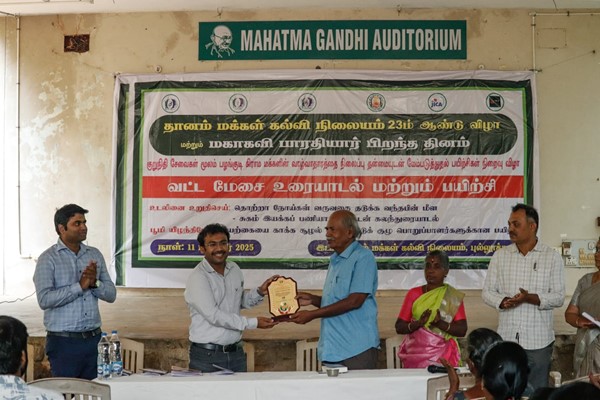
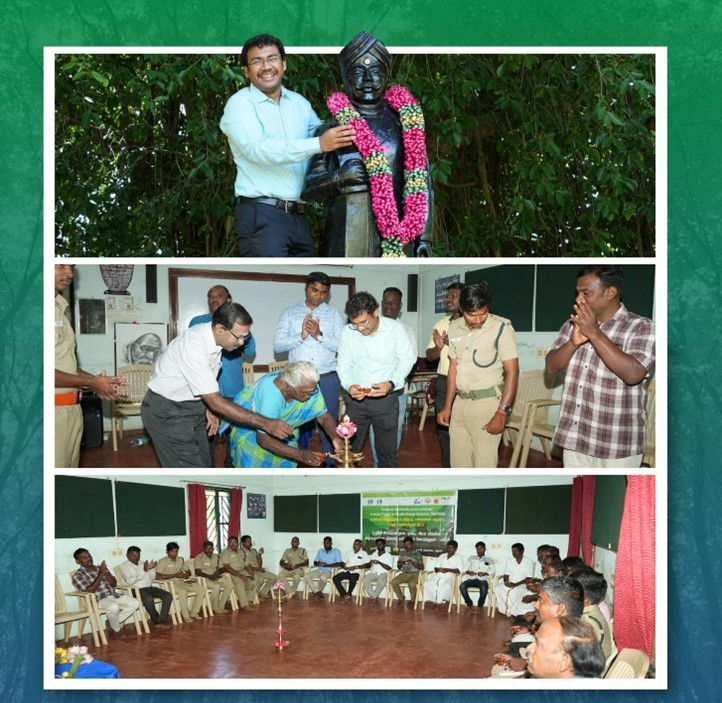
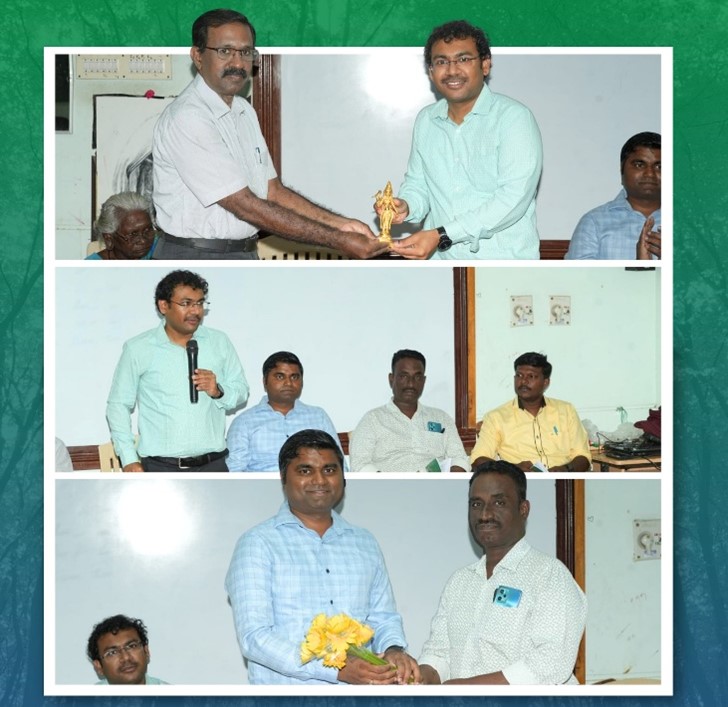
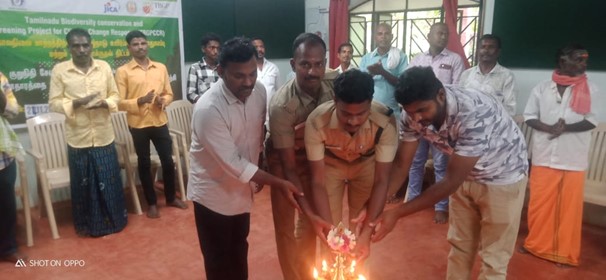
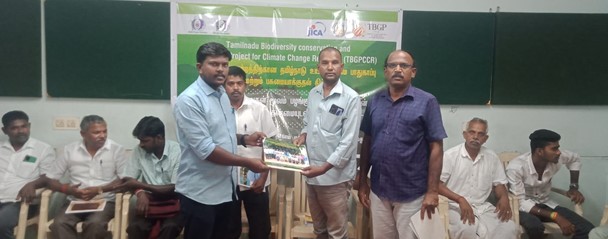
The programme was inaugurated by senior officials and development leaders. Mr. E. Prasanth, IFS, Project Director (Biodiversity), TBGPCCR, and Mr. Revti Raman, IFS, District Forest Officer, Madurai, delivered the inaugural addresses, highlighting the importance of strong community institutions and close collaboration between EDCs and the Forest Department. Padma Shri Chinnappillai, Dr. M. Thiyagarajan, Deputy Director of DHAN People Academy, and Dr. P. Sivasubramanian, Senior Team Leader of DHAN Foundation, also addressed the participants, reinforcing the significance of people-centred development in conservation efforts.
In his address, Mr. E. Prasanth emphasized that the training should promote effective coordination between Forest Department officials and EDC members. He urged participants to gain a deeper understanding of the critical role played by Eco Development Committees in forest protection and biodiversity conservation. Mr. G. James Samuel, Coordinator, DHAN People’s Academy, delivered the welcome address. The event arrangements were organized by the training faculty of DHAN People’s Academy.
Training Approach and Core Learning Themes
The training methodology adopted by DHAN People Academy was participatory, reflective and practice-oriented. Participants were introduced to the fundamentals of Eco Development Committees, their legal framework and their role in biodiversity conservation. The sessions then deepened into leadership and governance, focusing on collective responsibility, transparent decision-making and inclusive participation. A major emphasis was placed on the ASK framework of leadership — Attitude, Skill and Knowledge — which helped participants understand how personal conduct and institutional behaviour are interlinked.
The programme also placed strong emphasis on microcredit and sustainable livelihoods. Participants explored how community-managed financial systems could enhance household income, strengthen climate resilience and reduce dependency on forest resources, thereby aligning livelihood security with conservation goals.
Experiential Learning through Exposure Visits
One of the most impactful components of the programme was the exposure visit to Palamedu Vattara Kalanjiam, a well-functioning people’s federation. Participants observed first-hand how strong community institutions manage financial systems, leadership processes and development initiatives. This real-life experience transformed theoretical learning into practical insight and inspired participants to replicate similar models within their own Eco Development Committees.
DHAN People Academy functioned not merely as a venue but as a centre of learning and transformation. Its experienced facilitators, structured learning design and nurturing environment allowed participants to reflect deeply, share experiences and develop collective solutions. The Academy’s long-standing expertise in people-centred development ensured that the training remained grounded in field realities while offering practical pathways for action.
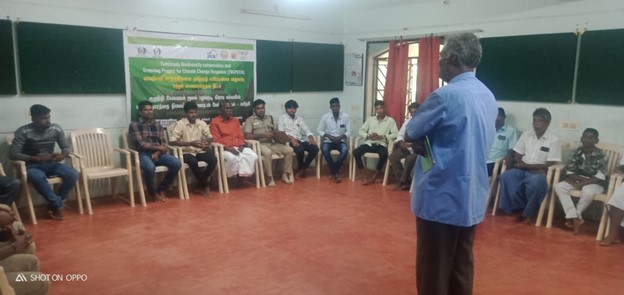
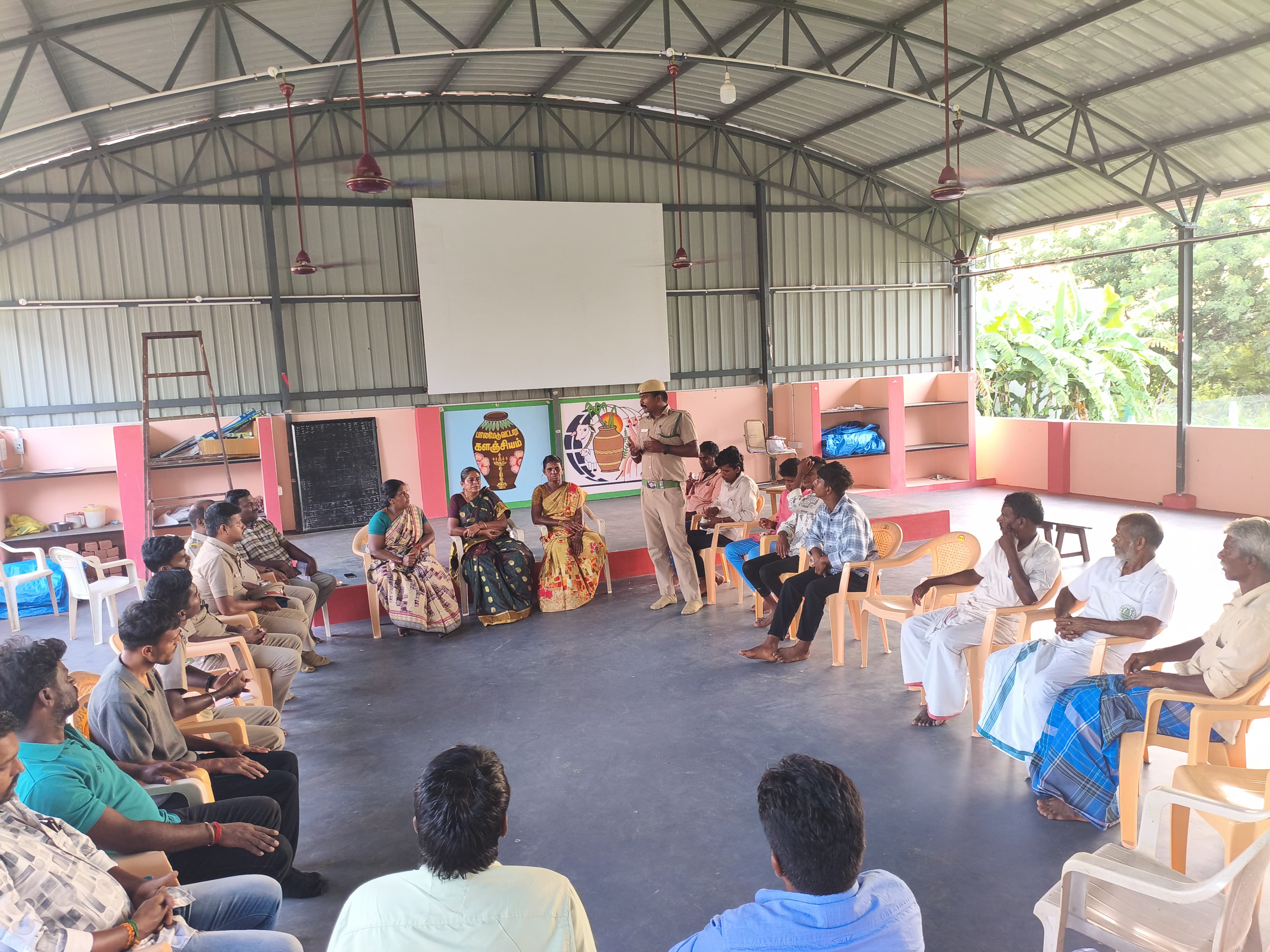
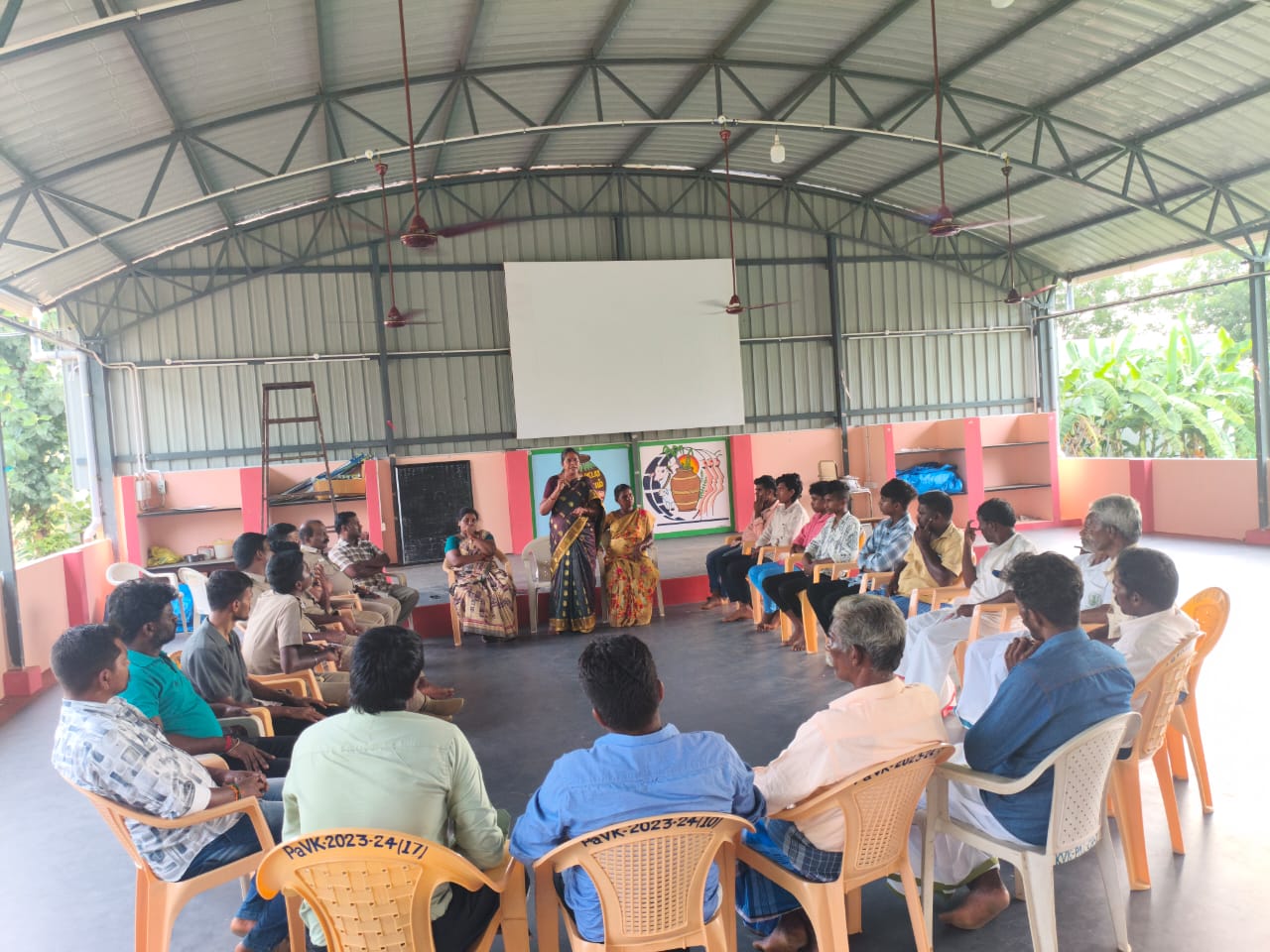
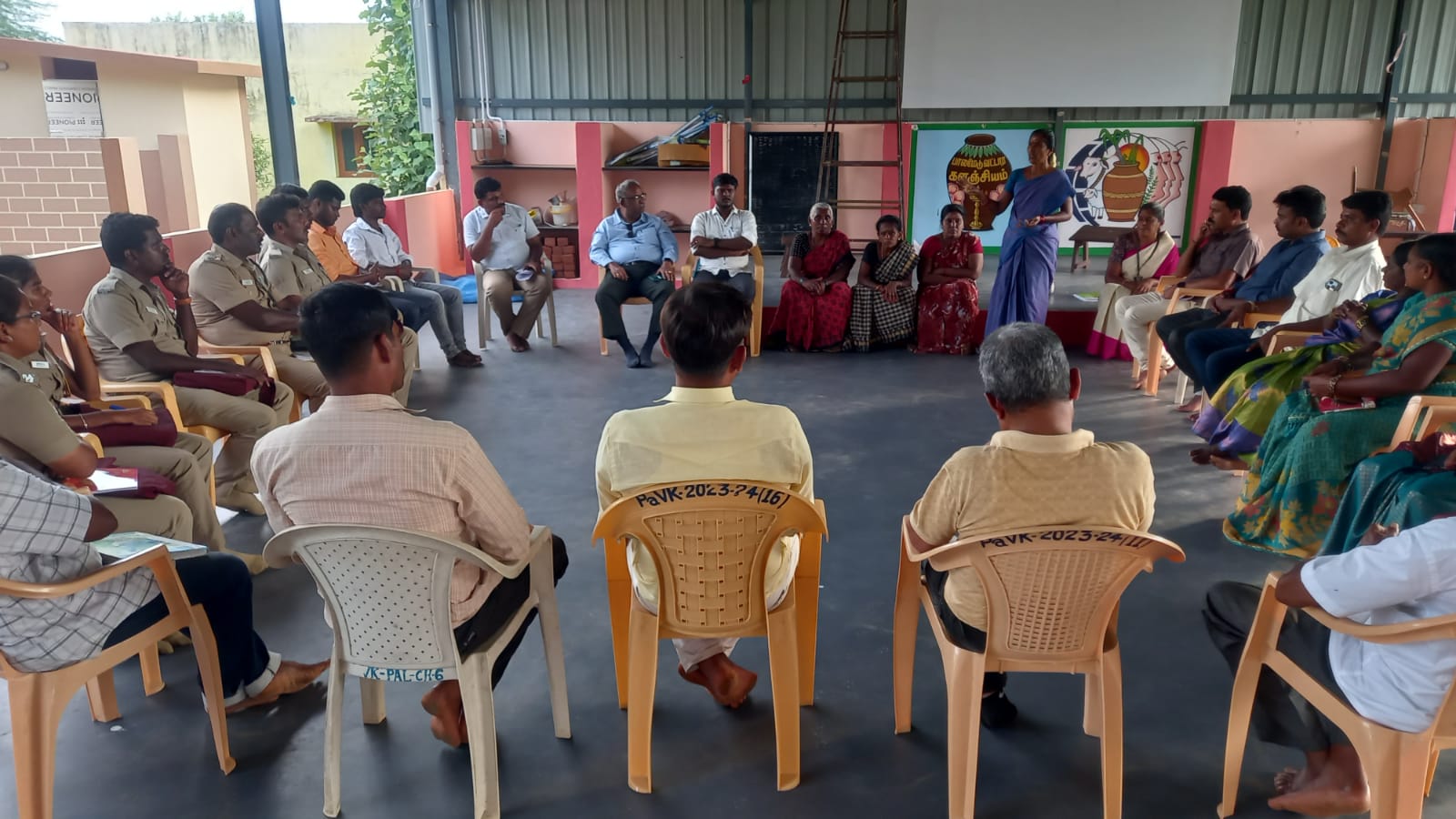
Outcomes The training generated significant positive outcomes. Participants gained clarity on the roles and responsibilities of EDCs, developed stronger leadership capacities and increased confidence to initiate and manage microcredit-based livelihood activities. The programme strengthened cooperation between community leaders and forest officials, creating a more enabling environment for forest conservation and sustainable development. The high level of motivation observed among participants reflected the programme’s success in connecting institutional growth with personal and community aspirations.
Conclusion
The TBGPCCR training programme at DHAN People Academy stands as a powerful example of how conservation, livelihoods and institutional development can be integrated into a single coherent intervention. By empowering tribal communities, strengthening Eco Development Committees and fostering collaboration between communities and the Forest Department, the programme has laid a strong foundation for climate-resilient development and sustainable forest governance in Tamil Nadu. It reaffirms a fundamental principle of development practice: when communities are equipped with knowledge, institutions and trust, they become the most effective custodians of both nature and their own future.