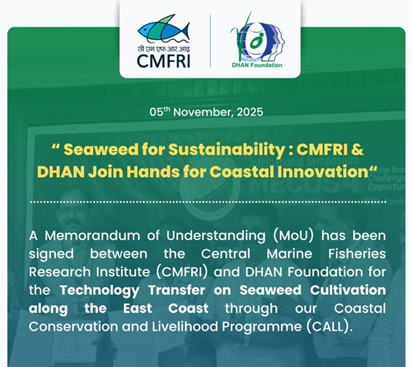
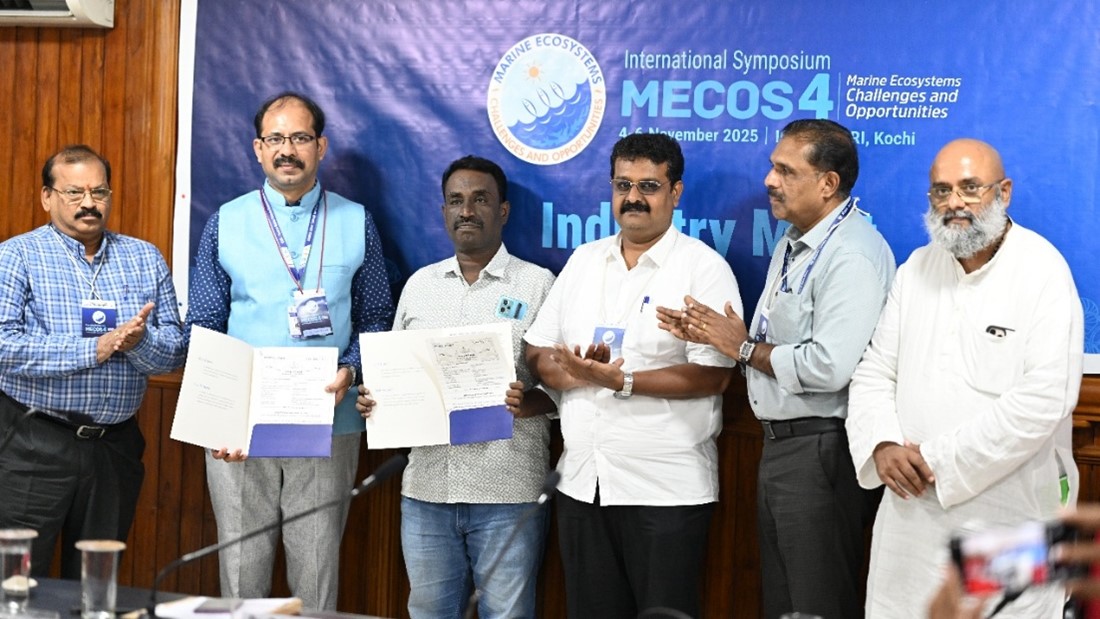
A Memorandum of Understanding (MoU) was signed between the Central Marine Fisheries Research Institute (CMFRI) and DHAN Foundation to facilitate the transfer of technology for seaweed cultivation along the East Coast, under the Coastal Conservation and Livelihood Programme (CALL). This MoU aims to strengthen seaweed cultivation as an alternative livelihood option for fishermen during rough seas, promote value addition through technology support from CMFRI, and transform conventional practices into scientifically sound and technically feasible methods for sustainable seaweed culture.
The Reliance Foundation’s Disaster Management Programme (2026–28) is a flagship initiative designed to strengthen resilience among vulnerable communities across 8 states and 20 districts, aiming to reach 45 lakh people over the next three years. The programme is anchored by three strategic pillars: Disaster Risk Reduction (DRR), Disaster Preparedness, and Disaster Response and is operationalised through seven priority action areas, including Nature-Based Solutions, Climate Resilient Livelihood Awareness, and Early Warning & Early Action.
DHAN Foundation has partnered with Reliance Foundation for two states. An initial six-month budget of ₹70 lakhs for the first phase of this three-year project. DHAN will lead operations in the Visakhapatnam and Vizianagaram districts of Andhra Pradesh, as well as the Ernakulam district in Kerala.
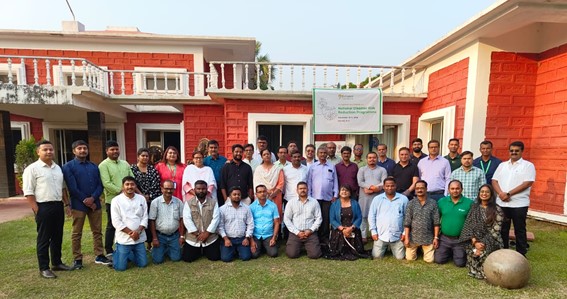
Reliance Foundation also organized a two-day inception workshop on the National Disaster Risk Reduction Programme for all its partners on 13–14 November 2026 at Konark, Puri. Eleven NGO partners participated in the workshop, representing states including Andhra Pradesh, Assam, Bihar, Gujarat, Odisha, West Bengal, Kerala, and Tamil Nadu. The sessions focused on disaster risk reduction through nature-based solutions, climate literacy, awareness and capacity-building programmes for community leaders and frontline workers, support for livestock owners, and strategies for early warning and early action.
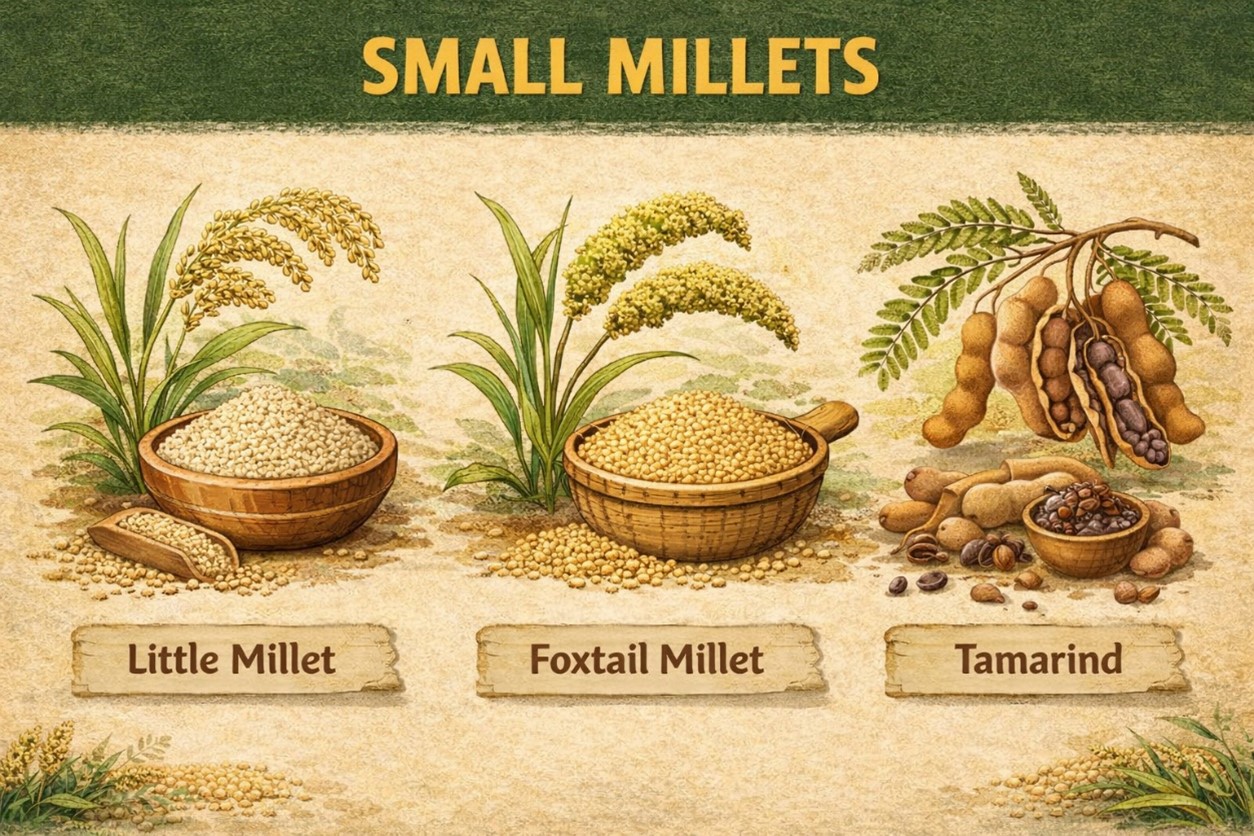
Through the International Fund for Agriculture Development (IFAD), a partnership is built between ACCESS Development Services and Koraput Tribal Farmers Producer Company Limited under the project “Empowering Women – Enriching Lives through Millets and Tamarind” for supporting local learning and capabilities for Scaling up Value Chain Development.
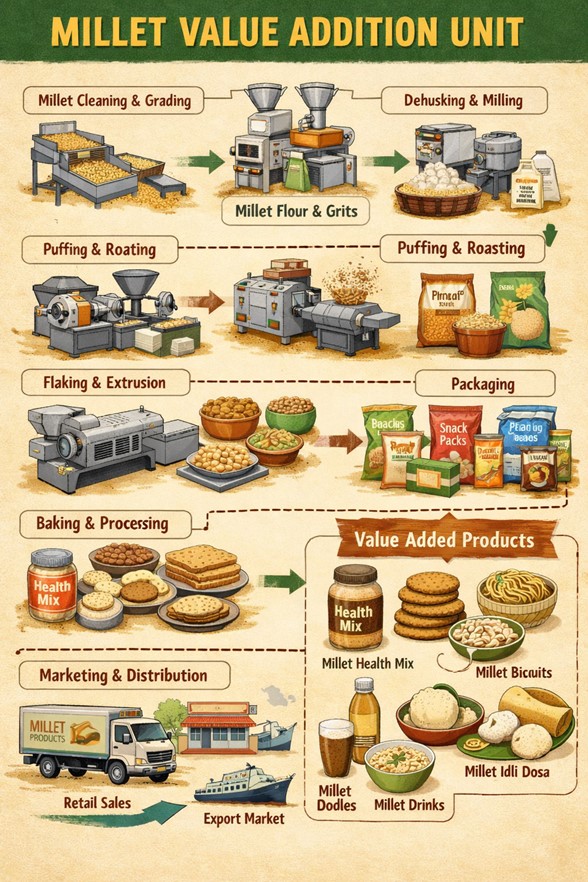
Through this project a sustainable millet value addition unit will be established to complement sustainable agriculture production, consumption and market linkage of value-added products. The project aims to establish a value addition unit in Koraput for processing millets and tamarind to facilitate improved productivity, procurement, processing, branding and entrepreneurship for minimum 1500 small and marginalized producers by increasing farmer’s income by 15% with a minimum of 1 crore annual turnover.
DHAN Foundation experts facilitated a one-day orientation programme on “Mitigating Climate Risks in Agriculture and Horticulture: Community-Based Approaches” on 28 January 2026. This session was part of a three-day training course on “Comprehensive Course on Climate Change-Induced Hazard Risk Reduction” conducted from 27 to 29 January 2026, organized by the Disaster Management Cell of Anna Administrative Staff College, Chennai. Twenty administrative staff members participated in the programme, representing diverse government departments including Fire and Safety, Agriculture, Fisheries, Forest, and Disaster Management.
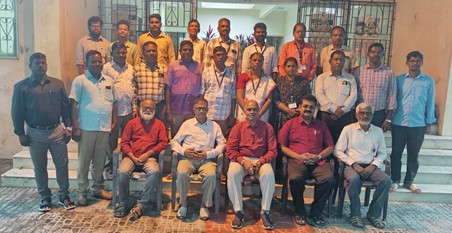
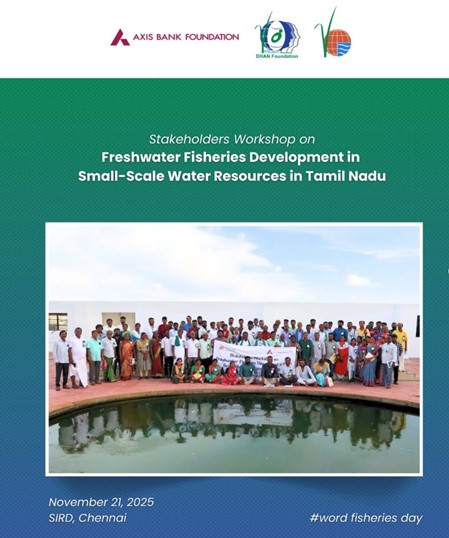
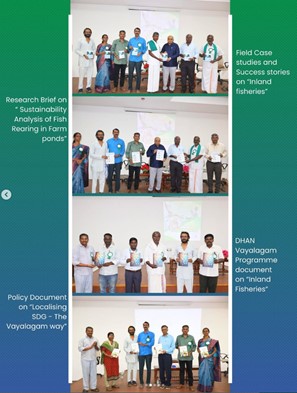
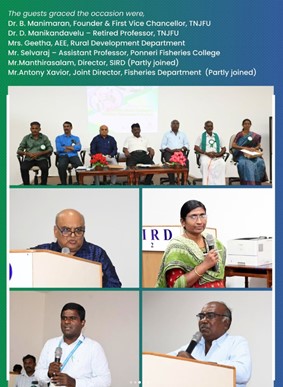
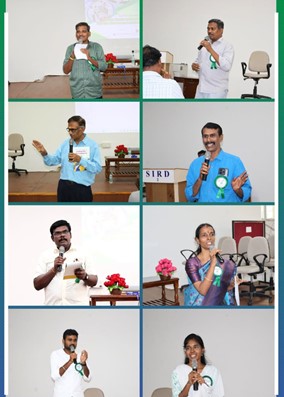
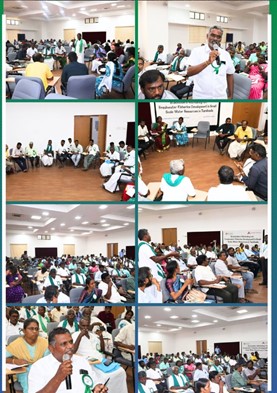
A Stakeholders Workshop on Freshwater Fisheries Development in Small-Scale Water Resources in Tamil Nadu was held on National fisheries day 21.11.2026 at SIRD, Chennai to discuss strengthening freshwater fisheries in Tamil Nadu.
The workshop was organized by DHAN Tank Vayalagam Foundation and Centre for Policy and Planning (CPP) of DHAN Foundation with an objective to assimilate our experiences in inland fisheries and to draw policy recommendations for scaling up. This workshop brought together key stakeholders from government departments, academic institutions, NGOs, and community representatives to collectively deliberate on strengthening inland freshwater fisheries in Tamil Nadu. The workshop served as a collaborative platform to share field experiences, success stories, scientific advancements, and policy needs for developing fisheries in tanks, ponds, and farm ponds. The discussions highlighted the urgent need for sustainable water resource management, farmer-centric policy support, scientific fish farming practices, and strong community institutions to enhance rural livelihoods and food security. The participants collectively affirmed their commitment to advancing freshwater fisheries through coordinated action, resource mobilization, policy advocacy, and continuous capacity building.
The declarations emphasize strengthening Vayalagam Federations to effectively link government schemes and facilitate permissions, inputs, and insurance; establishing Fish Farmers Producer Organisations (FPOs) to enable collective bargaining and enterprise development; creating experimental learning centers with regular trainings and demonstrations; streamlining loan products through AFGs for farm pond and fish pond establishment and fisheries development; converting workshop resolutions into a clear and structured action plan and communicating it to village communities; promoting monthly training programmes, scientific practices, cluster development, and grassroots-level policy advocacy; scaling up farm pond fish rearing and tank-based fisheries as sustainable livelihood strategies; and positioning inland fisheries as a key platform for building the long-term sustainability of the federations.
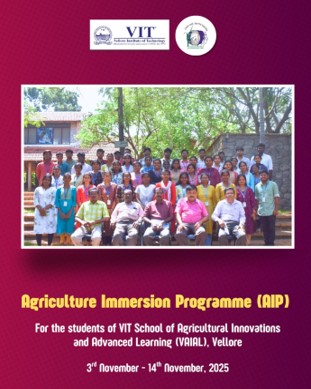
The DHAN Academy (TDA) conducted twelve days Agriculture Immersion Programme for the students of VIT School of Agricultural Innovations and Advanced Learning (VAIAL), Vellore.
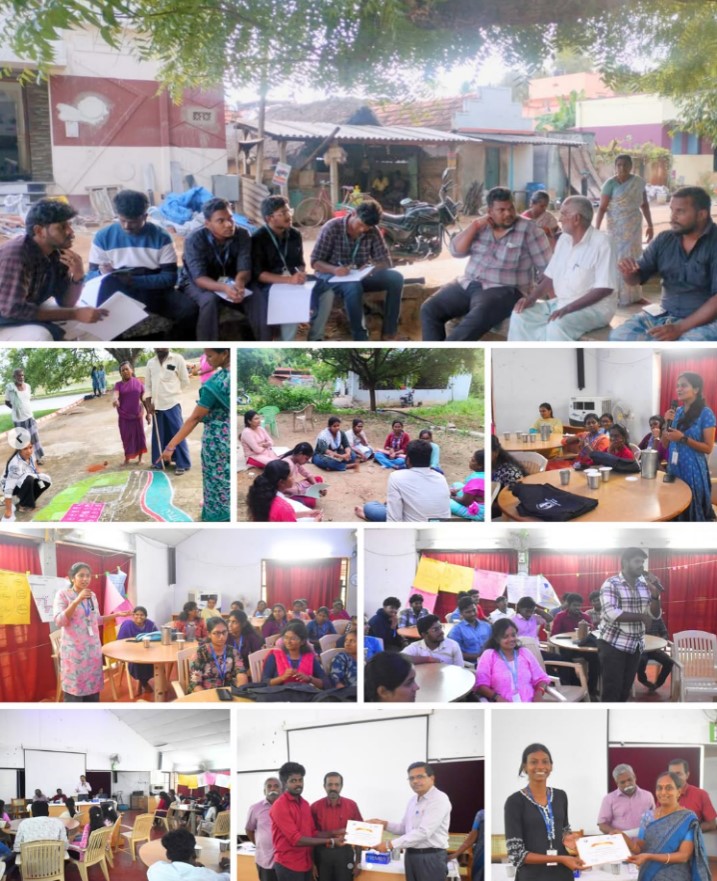
The focus of this immersion programme is to sensitize the students on aspects related to farming, agriculture, water and irrigation management. This programme is designed to educate the students in a comprehensive and engaging way through simulation games, interactive lectures, exposure visits, interaction with farmers and doing Participatory Learning Methods. The Major Focus is to give the students village experience by making them stay in a village for 3 days and do the Participatory learnings methods with special focus on agriculture and DHAN activities and work.
The Village stay will give a experience the rural way of life, understand village and agricultural systems including cropping patterns, natural resources, climate change impacts, livelihoods, challenges and opportunities.Around 46 agricultural students (16 boys and 30 girls) participated in this programme, with the village stay across the Madurai, Pambar and Gundar lower regions. The locations for the village stay include Kottampatti KF, Kalaiyarkovil VF, Ponamaravathy KF, Thirumayam Integrated, Manamadurai, Kottampatti VF, and Thiruchuli.
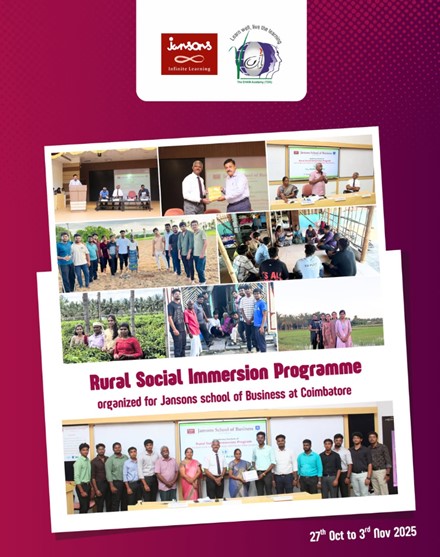
The immersion programme is one of its kind and unique programme offered by the The DHAN academy which has an overarching objective of giving an attitudinal learning to the participants and empower the knowledge related to development concepts and challenges faced by rural, tribal, coastal and urban folks. The participants who are provided with stay experience in villages, helps them to experience the rural way of life and to see the development issues interlinked with their daily routine. This will help them to understand the issues better and motivates them to arrive at solutions which will help the community to lead a sustainable life. Around 88 students (58 boys and 30girls) from 1st year MBA of Jansons School of Business participated in this Rural Social Immersion Programme. The village stay was in Dindigul region.
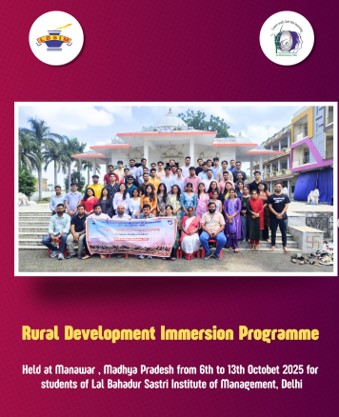
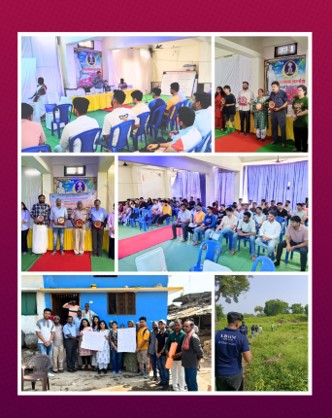
Over the years, RDIP has expanded to new recruits of the Corporates, B-Schools, Architecture Colleges, Agricultural colleges, Engineering Colleges, Arts & Science colleges and the like. The collaboration with LBSIM (Lal Bahadur Shastri Institute of Management, Delhi )by TDA Commenced last academic year, now aims to cultivate socially responsible management professionals who are deeply aware of the socio-economic and development challenges at the grassroots level.
The immersion focuses on providing the students to understand the field reality, holistic dimensions of village, development issues, hands on experience in Participatory research, exposure to rural village, shaping attitudes of participants and sensitize the participants on poverty and development issues in rural and urban areas. 48 Students from Lal Bahadur Shastri Institute of Management, Delhi participated in a week-long immersion programme at Manawar, Madhya Pradesh from 6th to 13th January 2026.