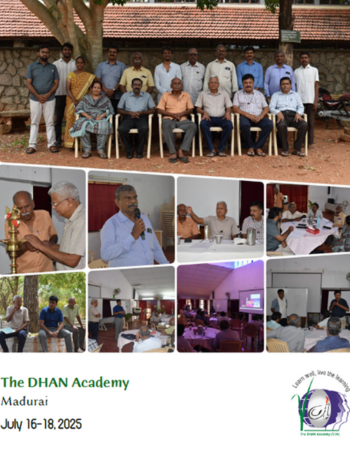
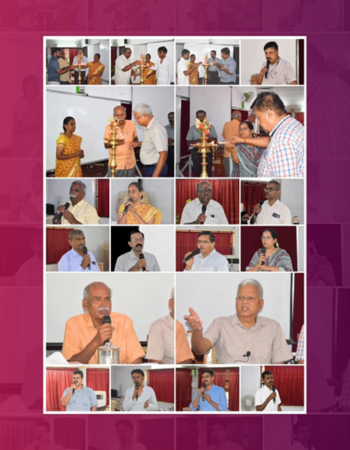
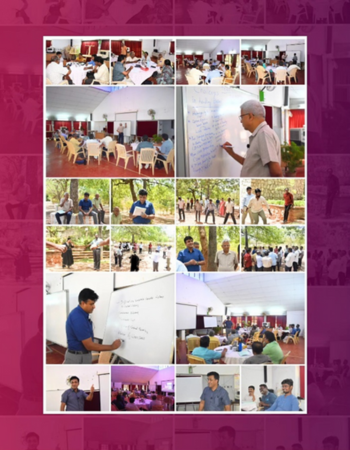
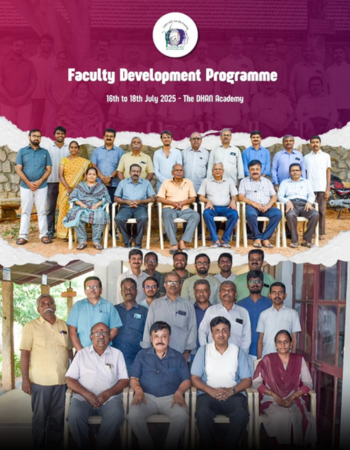
The Faculty Development Programme held from July 16 to 18, 2025 at The DHAN Academy marked a pivotal initiative in strengthening TDA faculty's pedagogical, research, and leadership capacities. It brought together 21 faculty members for a reflective, immersive learning experience facilitated by eminent educators—Dr. D.V.R. Seshadri and Dr. Manish.
Shri M.P. Vasimalai’s inaugural address powerfully reminded us of the need to break disciplinary silos and nurture a reflective, student-centric academic culture. Dr. Seshadri’s sessions deepened the understanding of participant-led learning, the case method, gamification, and the role of faculty in lighting the lamp of inquiry, not merely delivering content.
Dr. Manish further expanded our horizons—challenging us to balance ethics, creativity, and technology in the classroom. His sessions on AI, research questions, and experiential pedagogy like “Thanima Farm Life” and naval case simulations inspired critical thinking and innovative teaching strategies.
This FDP was not merely an event—it was a movement towards building a vibrant academic community grounded in trust, inquiry, and societal relevance. The faculties reaffirm their commitment to shaping reflective practitioners who blend values with vision and pedagogy with purpose.
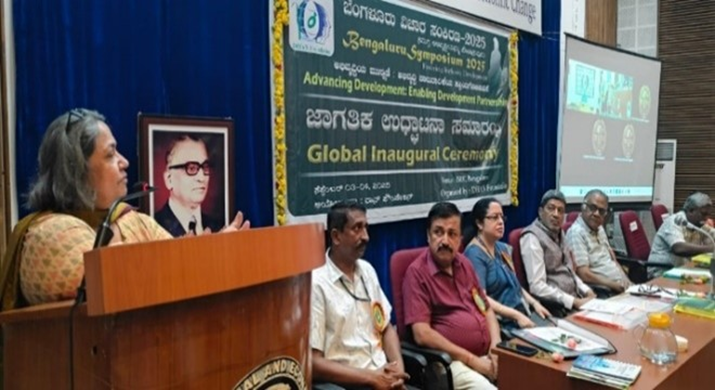
The Bengaluru Symposium 2025, held on 3–4 September at ISEC, was convened under the theme “Advancing Development: Enabling Development Partnerships.” Organized by DHAN Foundation and its partners, the event brought together community leaders, academics, bankers, policymakers, and practitioners from across Karnataka and beyond, representing a vibrant confluence of grassroots energy and institutional knowledge.
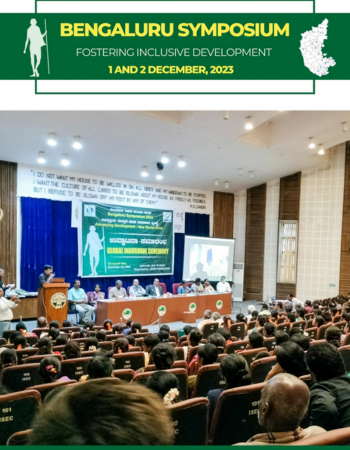
The symposium opened with the Global Inaugural Ceremony, where dignitaries emphasized the Gandhian vision of Swaraj, the importance of partnerships, and the role of women’s leadership in shaping inclusive and sustainable futures. Leaders from government, RBI, academia, and civil society highlighted the criticality of collaborative approaches in responding to crises, expanding financial inclusion, and strengthening community institutions. The sessions and workshops reflected the depth and breadth of the development agenda:
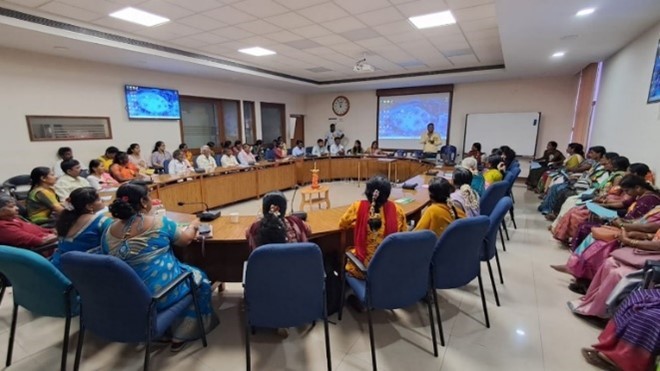
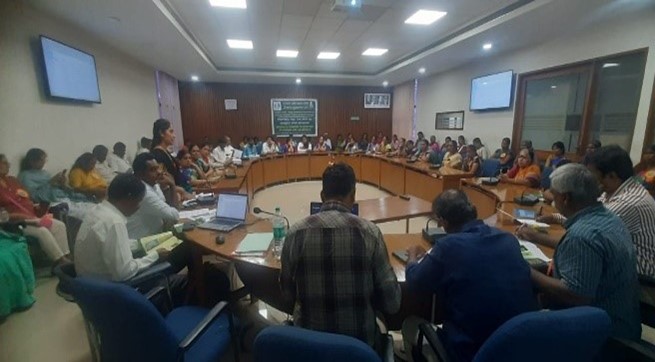
The symposium culminated with a declaration, consolidating learnings and action points across all sessions. Its overarching message was clear: development partnerships are not optional; they are essential for advancing resilience, equity, and sustainability. By rooting strategies in community institutions, aligning with government and financial systems, and integrating health, livelihoods, agriculture, and social protection, the Bengaluru Symposium 2025 envisioned a future where no household is excluded from development gains.The Bengaluru Symposium 2025 concluded with a strong call to translate dialogue into action, emphasizing continuity, scale, and innovation in development partnerships.
The symposium’s way forward underscores partnerships as the pathway to resilience. By aligning local action with institutional support, leveraging innovations, and embedding women’s leadership, the vision is to double the reach, deepen inclusivity, and anchor development in solidarity. The next steps demand collective accountability, ensuring that the spirit of Bengaluru 2025 lives on in every community, household, and institution it touched.
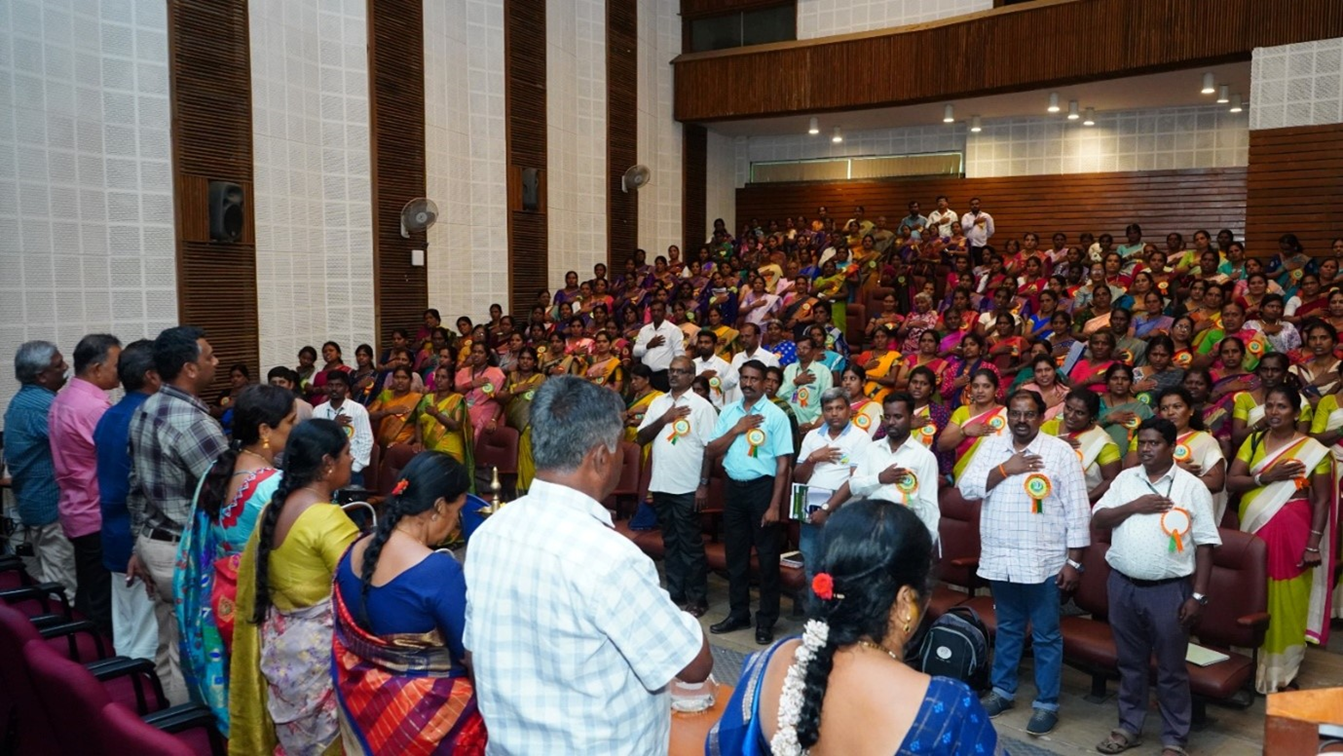
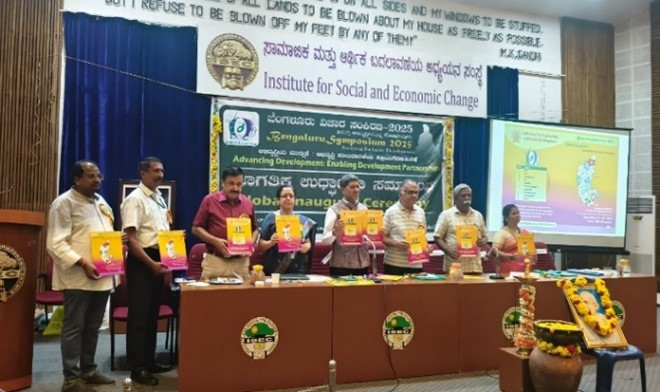
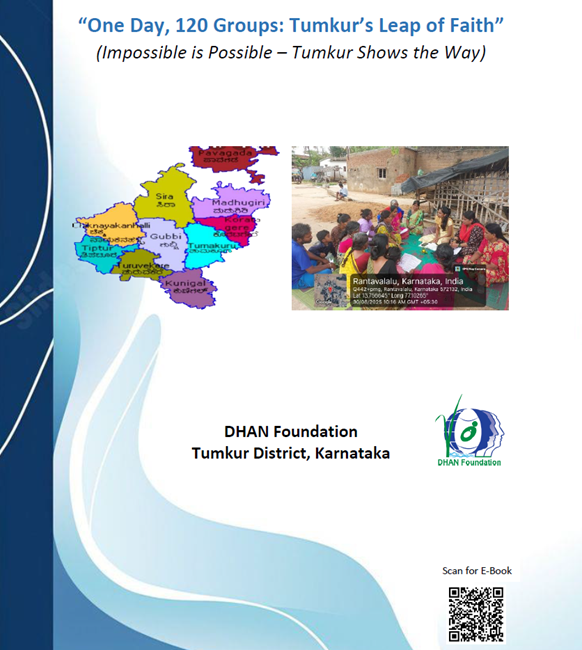
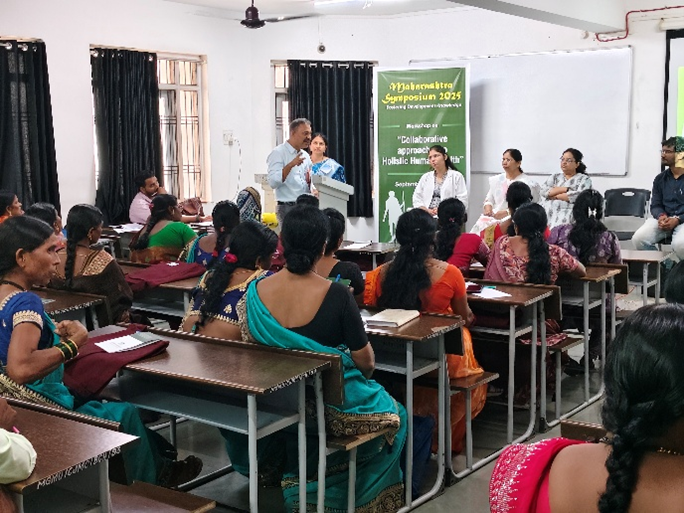
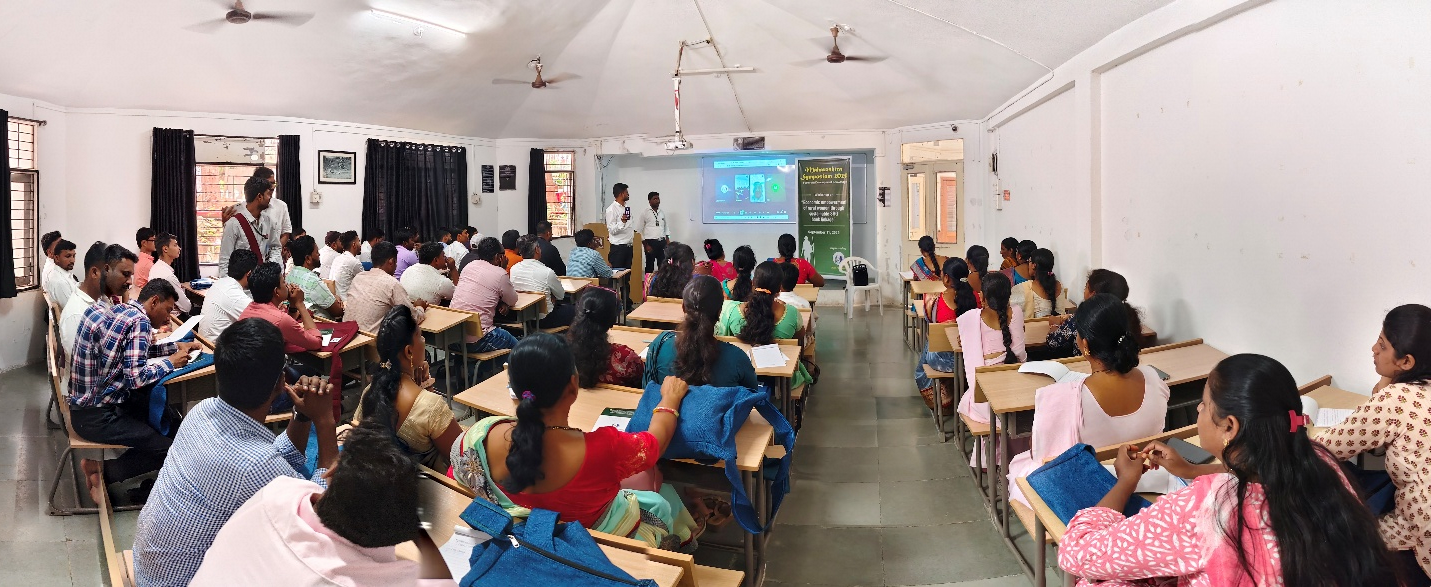
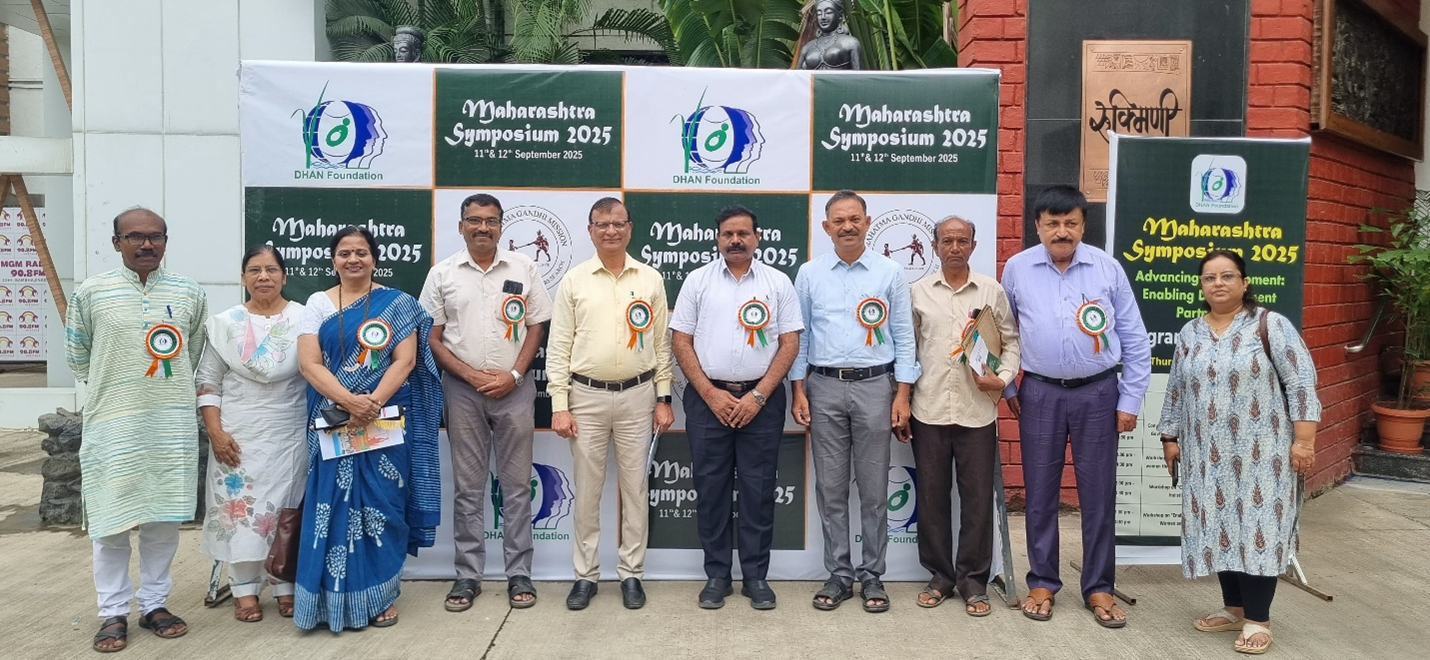
The Maharashtra Symposium 2025, held on 11–12 September 2025 at MGM University, Chhatrapati Sambhajinagar, focused on fostering collaborative partnerships among government agencies, CSR organizations, and communities for inclusive and sustainable development. The two-day event featured conventions and workshops addressing rural women’s economic empowerment through SHG–bank linkages, holistic human health, water and agriculture development, and financial inclusion. Distinguished guests included Shri Sambhaji Adkane (Addnl. Collector, Chh. Sambhajinagar), Dr. Rajendra Bohra (Dean, MGM HIS), Dr. John Chelladurai (Dean, Gandhian Studies), Dr. Prerana Dalvy (Administrator, Nursing & Physiotherapy), Smt. Komal Rajput (Vice-President, KMM), and Shri Laxman Watile (VP, FPO, Pandharkawda, RFDP), among others. Expert sessions were led by Dr. Dipti Patnakar (PD, KVK), Shri C. Rathod (District Officer, MAVIM), Dr. Salvy, Dr. Andrea, Mr. Nazim Pathan (MGM HIS), and Smt. Smita Joshi (Administrative Officer, LIC), along with CSR representatives from Reliance, JSW, and BOSCH.
The valedictory session featured Shri Somnath Patil (Regional Manager, MGB), Dr. Rekha Shelke (Dean, College of Mass Communication & Journalism), and Dr. Nilesh Maske (Principal, MGM Agricultural College). Key outcomes included the renewal of the MoU with MGB for SHG bank linkage, exploration of new MoUs with MGM University and DHAN, and the launch of the SEED Project across six districts—Amravati, Hingoli, Nanded, Wardha, Washim, and Yavatmal. The symposium successfully engaged 254 participants on Day 1 and 268 on Day 2, marking a significant step toward integrated, people-centered development through institutional and community partnerships.
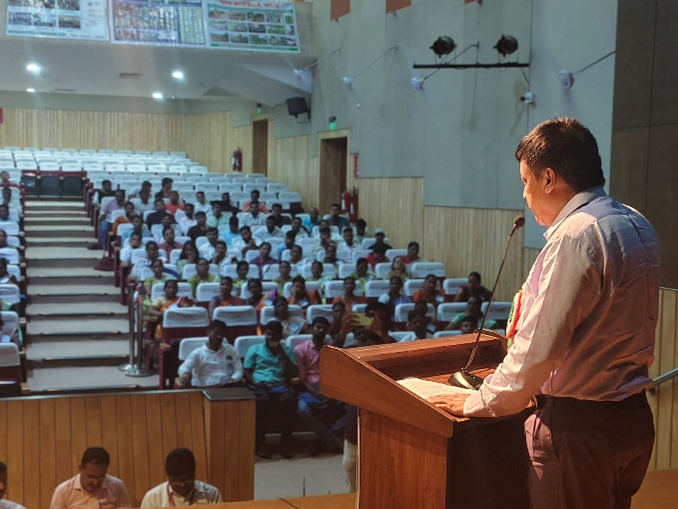
The twelfth Biennial Edition of Madurai Symposium - a “Unique” Knowledge Mart in Development happened from September 17-21, 2025 at Madurai, Tamil Nadu. Development Stakeholders Community Organizations, Civil societies/NGOs, Government, Banks, Insurance Companies, CSR Foundations, Donors, Philanthropists and Academia gathered to share and learn from each other's' experience and practices to serve the underprivileged and deprived communities.
As the communities are at the heart of development, being the primary stakeholder their participation and sustained engagement in the process of development would lead to their ownership and communities taking charge of development for long- term sustainability. This Madurai Symposim 2025 happened under the theme of “Advancing Development: Enabling Development Partnership”
The event was structured around conventions, seminars, and workshops, each emphasizing collaborative models for inclusive and sustainable development across livelihood, water, health, governance, and social security sectors.
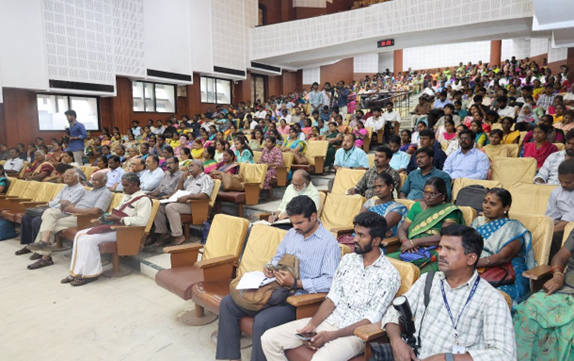
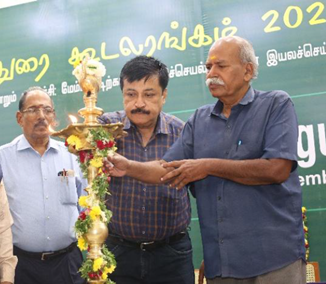
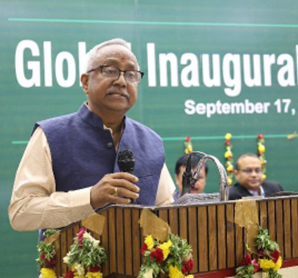
On Day 1, Dr. K. Satyagopal (former Additional Chief Secretary, Tamil Nadu) opened the symposium emphasizing water conservation as “liquid gold” and advocated for water literacy and protection of tanks, urging both policy and grassroots action for sustainability. Mr. M.P. Vasimalai (Executive Director, DHAN Foundation) cited J.C. Kumarappa’s “economy of permanence,” underscoring collaboration and compassion in development and describing the symposium as a platform for aligning grassroots voices with policymakers. Mr. B.T. Bangera (Chairperson, DHAN Foundation) spoke on bridging India’s rural-urban gap and stabilizing agriculture. Mr. Sandip Kumar Sinha (Canara Bank) highlighted SHG-bank linkage achievements, training initiatives, and financial literacy programs with DHAN, illustrating how institutional collaborations empower rural communities. Other delegates reinforced the need for community-led conservation, partnership with banks and agencies, and deepened inclusion—especially for excluded and vulnerable groups—across all development themes. The inaugural day established water conservation and literacy as a central narrative for sustainability. Key leaders urged protecting and restoring traditional tanks and water bodies, promoting grassroots institutions as custodians, and embedding climate resilience in rural economies. DHAN’s history of reviving thousands of water bodies and its collective approach to poverty eradication was highlighted as a model of scalable, sustainable impact.
On Day 2, the Symposium spotlighted climate-resilient WASH interventions led by federated women’s self-help groups (SHGs). Workshops highlighted the indispensable role of multi-stakeholder partnerships involving government, banks, NGOs, and civil society in addressing drought-induced water scarcity, sanitation gaps, and water contamination. Programs by the SUHAM Trust demonstrated the integration of health, nutrition, and sanitation with community finance to improve access to safe water and hygienic toilets for millions. Complementing this, restoration efforts of urban water bodies in Madurai and Visakhapatnam showcased successful community-led models emphasizing social capital building and participatory governance. The day also underscored the importance of innovative financial tools, such as the pilot cash credit schemes by Kalanjiam Development Financial Services, tailored to meet the dynamic needs of women’s livelihoods while reducing dependency on exploitative informal loans. Additional sessions promoted organic farming and skill enhancement for resilient livelihood diversification in fragile rainfed ecosystems.
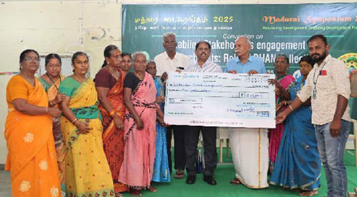
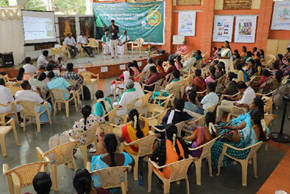
Day 3 expanded focus toward basin-wide water governance and sustained financial inclusion strategies. Presentations from DHAN leaders spotlighted the saturation of irrigation tank networks in the Pambar River Basin through community ownership coupled with government-CSR partnerships and bank linkages. This revitalization of over 2,300 tanks irrigated thousands of hectares and benefitted more than 26,000 families by improving incomes and local food security. Trust-based microfinance models such as the Kalanjiam Financial Development Services played a critical role, accelerating women-led credit linkages with rapid loan disbursal anchored on strong repayment discipline. Prominent seminars explored integrating Indigenous AYUSH healthcare systems alongside mainstream medicine, promoting preventive, affordable healthcare solutions in rural and tribal contexts. The emergence of community federations as facilitators of micro-pensions provided social protection enhancing the dignity of informal workers and elders. This day reaffirmed the necessity of holistic development encompassing financial services, health initiatives, and sustainable natural resource management.
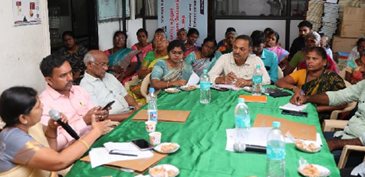
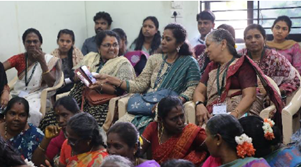
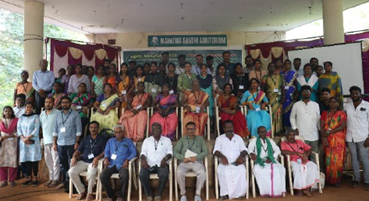
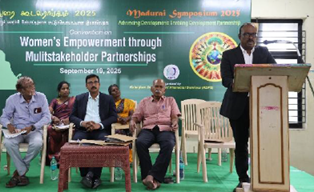
On Day 4, the Symposium emphasized digital empowerment, comprehensive risk management, and market access as essential elements for inclusive development. The People Mutuals initiative demonstrated scalable community-led insurance schemes delivering coverage for life, health, crops, and livestock, supported by streamlined claims processes and transparency. Digital literacy programs empowered thousands of rural women by equipping them with targeted skills in e-commerce, social media marketing, and trade platforms, supported by mentoring and outcome tracking. Agricultural technology dissemination reinforced climate-smart farming practices while experiential tourism models merged cultural heritage with livelihood diversification. Efforts to strengthen farmer producer organizations (FPOs) focused on infrastructure development, establishing quality standards, building consumer awareness, and creating entrepreneurial ecosystems, particularly for small millet value chains. Through The DHAN Academy, robust academic partnerships bridge grassroots realities with formal research capacity, underpinning evidence-based policymaking and scalable innovation. Financial literacy initiatives went beyond information dissemination by fostering sustained behavioral changes that facilitated savings, credit discipline, and insurance uptake among marginalized and tribal communities.
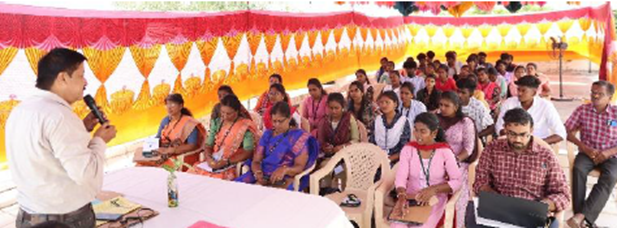
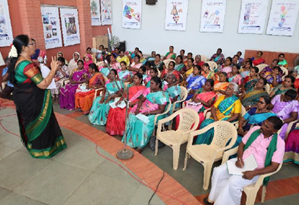
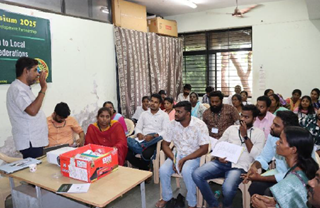
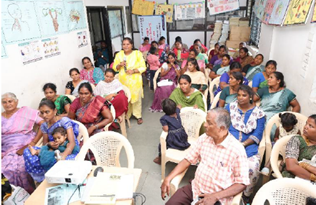
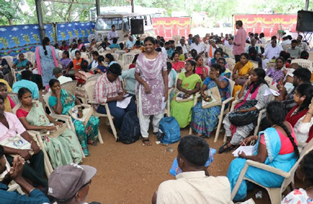
Day 5 of the Madurai Symposium 2025 highlighted community-led initiatives in climate risk protection, women’s empowerment, ethical journalism, safe migration, and de-addiction. People Mutuals showcased scalable grassroots insurance models ensuring timely crop and livestock coverage. Women’s SHGs demonstrated transformative governance roles, aided by DHAN Panchayat Development Foundation's capacity building. Ethical journalism emphasized truthful, inclusive reporting to empower marginalized groups. The Meetpu Trust reinforced safe migration through education and partnerships. SUHAM Trust presented a holistic, community-rooted approach to reducing alcoholism with medical care and social support. These multidisciplinary efforts reinforce the symposium’s vision of inclusive, resilient development through collaboration.
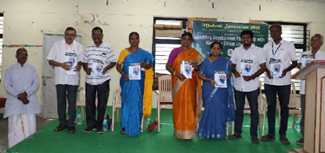
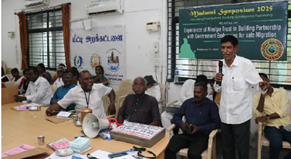
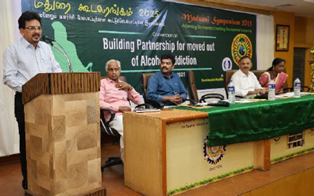
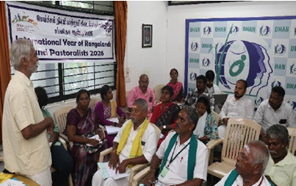
The Global Closing Ceremony consolidated resolutions around key action points for each thematic focus:
In summary, the Madurai Symposium 2025 reaffirmed the power of partnership-driven, community-owned solutions in achieving inclusive social, ecological, and economic transformation. Its diverse outputs serve as a blueprint for localized SDG implementation, climate risk resilience, poverty alleviation, and gender equity—anchored in sustained collaboration, policy engagement, and grassroots leadership
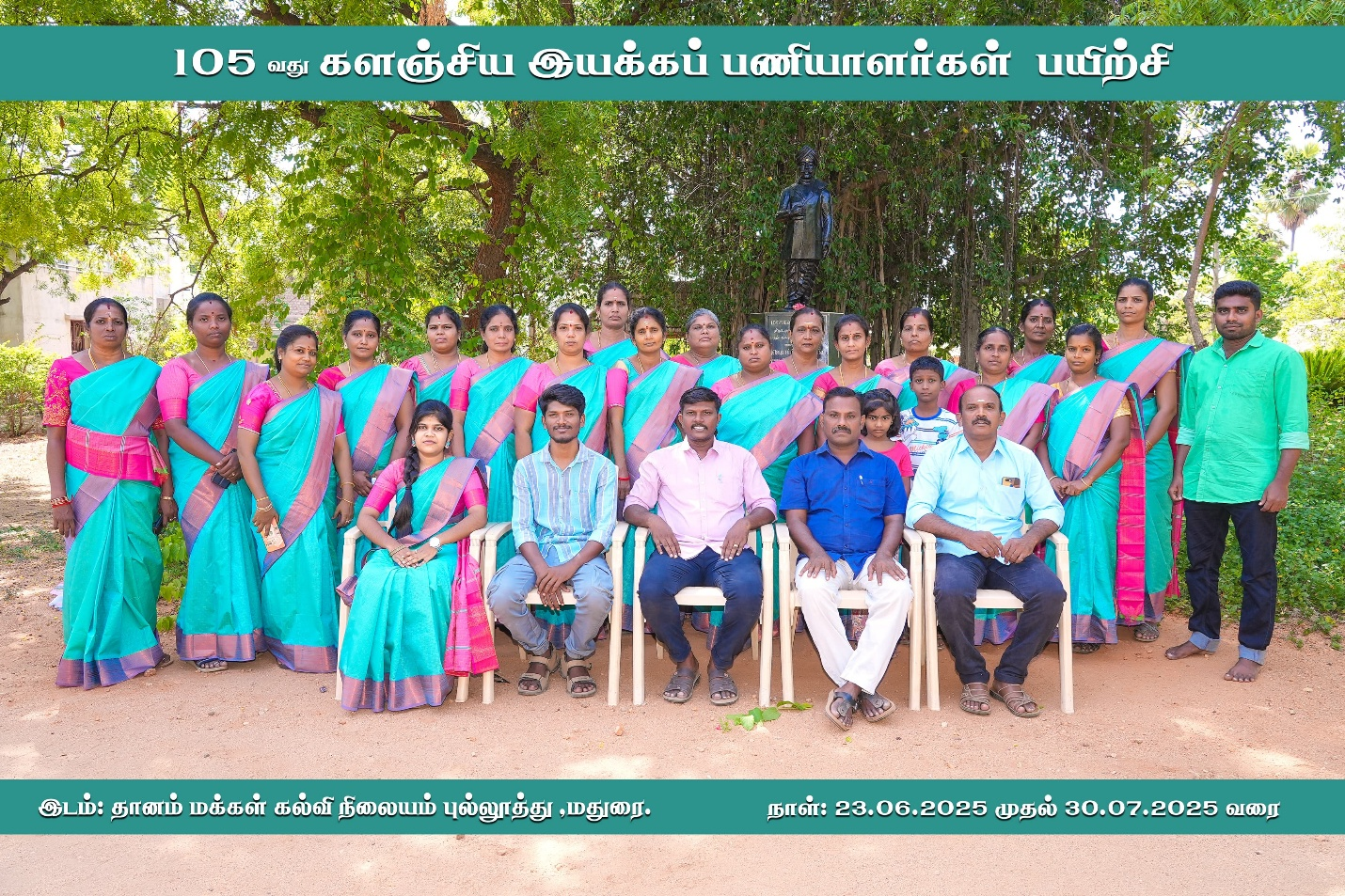
DHAN People Academy (DPA) have successfully completed 105th batch of Kalanjiam Movement Workers Training. 19 Field Level Associates from the Federations – Pudur Vattara Kalanjiam, Avvai Pengal Vattara Kalanjiam, Manimegalai Vattara Kalanjiam, Karumbalai Vattara Kalanjiam, Kannagi Pengal Vattara Kalanjiam, Jaihindpuram Vattara Kalanjiam, Thenmadurai Vattara Kalanjiam and Vilathikulam Vattara Kalanjiam of Madurai Urban Region and Thoothukudi Region participated in 42 Days Movement Workers Training from 23rd October to 30th July, 2025.
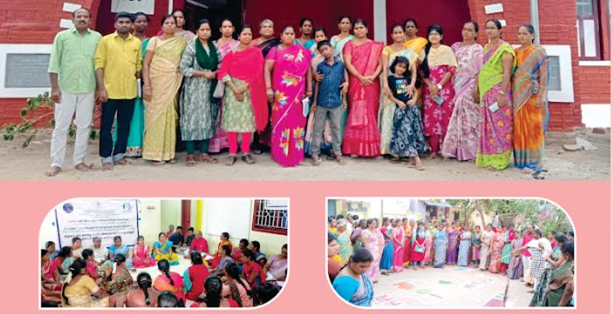
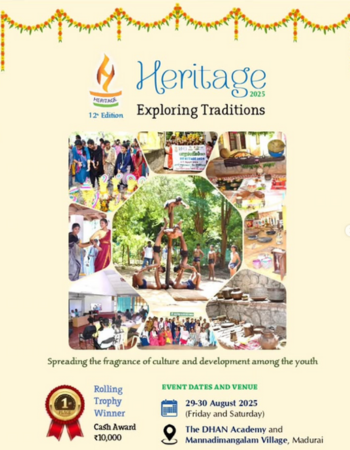
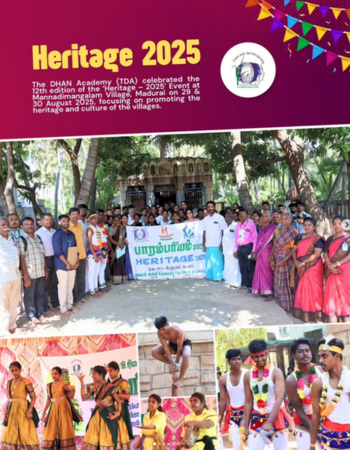
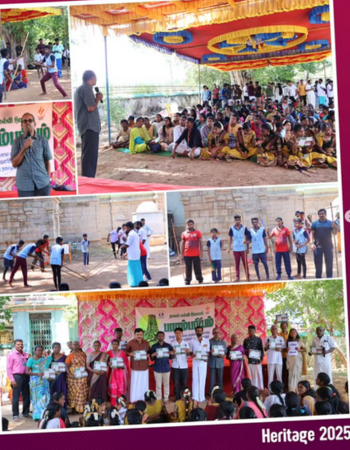
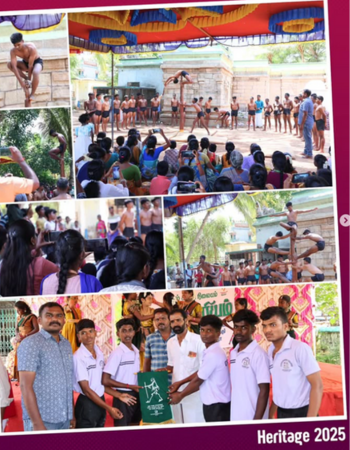
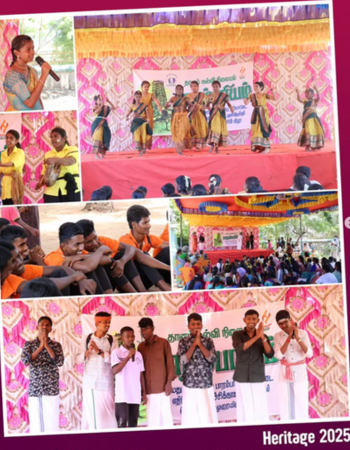
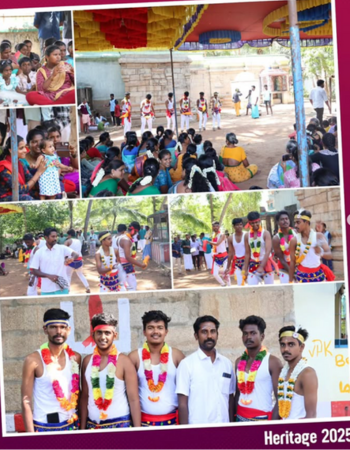
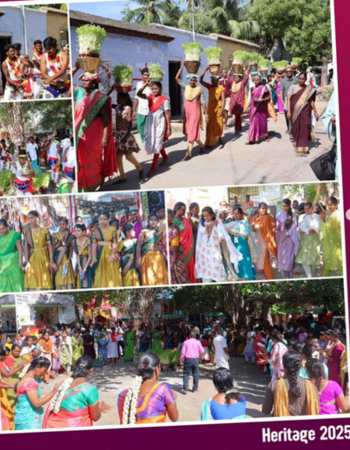
The DHAN Academy has initiated the event, “HERITAGE” during 2012 with a motto of ‘Spreading the fragrance of culture and development to the Youth’. It is a platform to sensitize the students’ community, where creative ideas will get space for facilitating the village development process and practices through ten different inter college events thereby creating opportunities for youth to imbibe the culture, learn from it and work to preserve it. Heritage event started in 2012, the past 11 editions of the events were organized in Keelamattaiyan, Thenkarai, Thiruvedagam, Thenur, Kodimangalam, Thuvariman, Vikkiramangalam Kovilpatti and Keelamathur in Madurai met with great success.
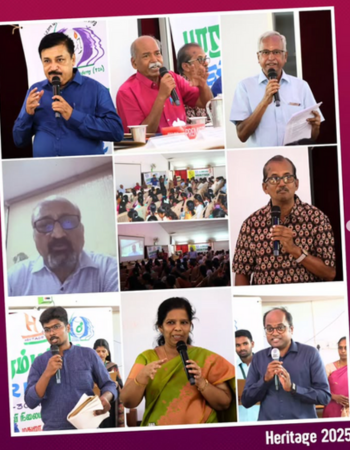
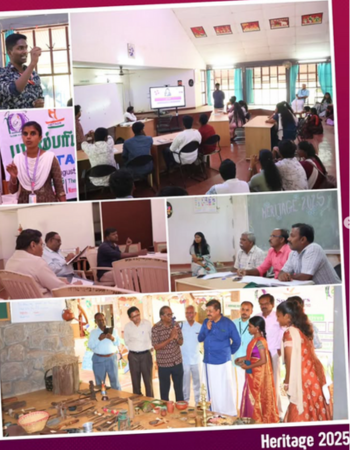
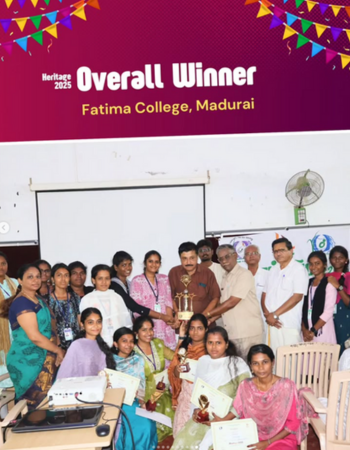
The Twelfth edition of HERITAGE 2025 happened on 29thand 30th of August 2025 (Friday & Saturday) at TDA campus and Mannadimangalam Village of Madurai. Around 100 students from 06 different colleges across arts, commerce, science, and management disciplines actively registered their names and participated in various events along with the enthusiastic involvement of all villagers of Mannadimangalam. Overall Rolling Trophy was won by Fathima College Students of Madurai.