
Jan - Mar 2025
www.dhan.orgReviving Urban Springs: Visakhapatnam Leads the Way
Centre for Urban Water Resources, Vizag
Visakhapatnam, a city nestled between the coast and the Eastern Ghats, is not only a strategic urban center but also a hydrological marvel. Known for its spring shed ecosystem—a rarity in urban India—the region has historically thrived on natural springs that sustained generations. But urban sprawl, deforestation, and shifting land-use patterns have severely disrupted this delicate balance. In a groundbreaking move, DHAN Vayalagam Tank Foundation, through its Centre for Urban Water Resources, has launched India’s first-ever urban spring shed revival programme, beginning with Visakhapatnam. This initiative is not just a restoration effort; it’s a journey of rediscovering and re-integrating indigenous water wisdom into modern urban planning.
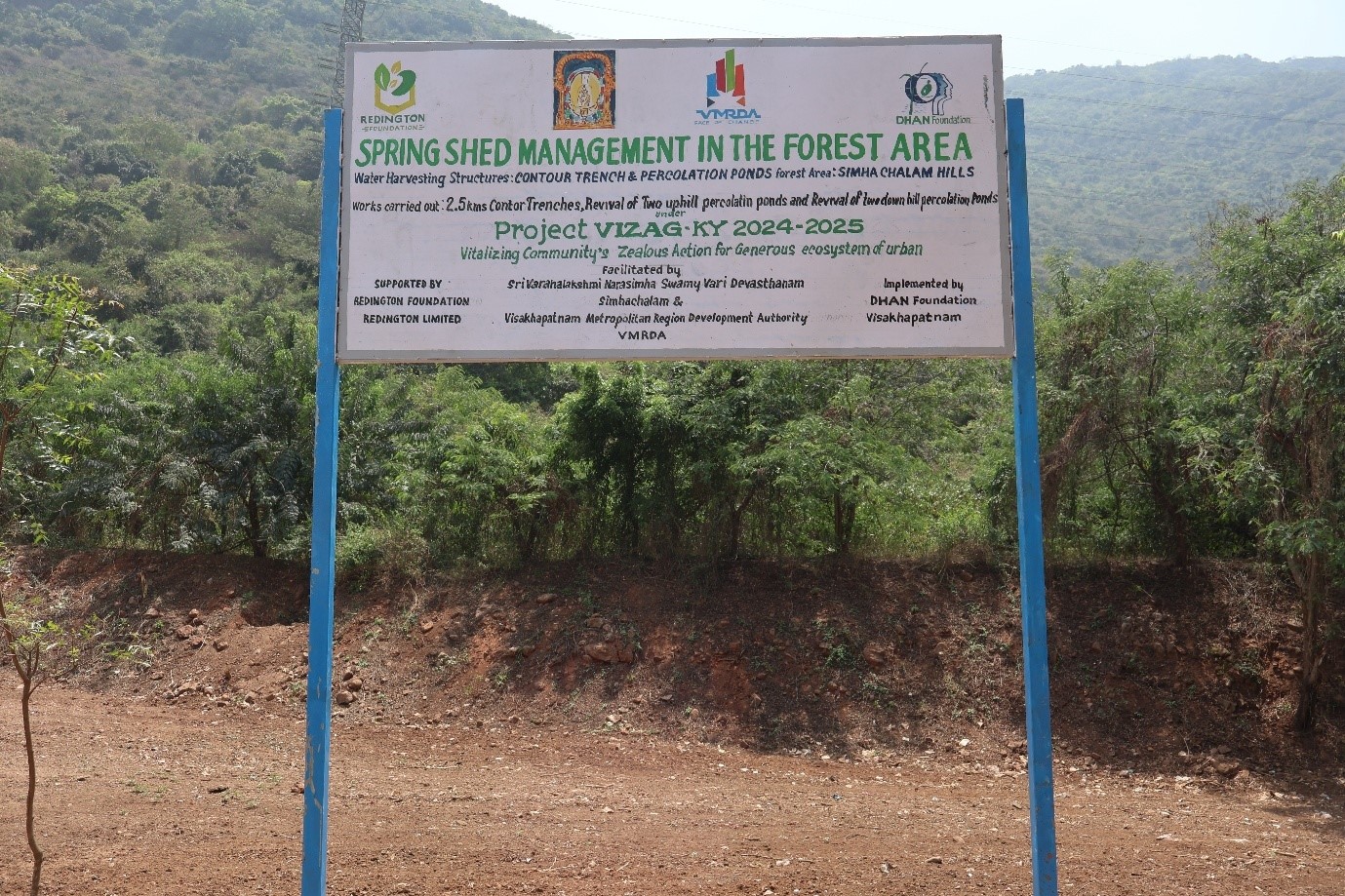
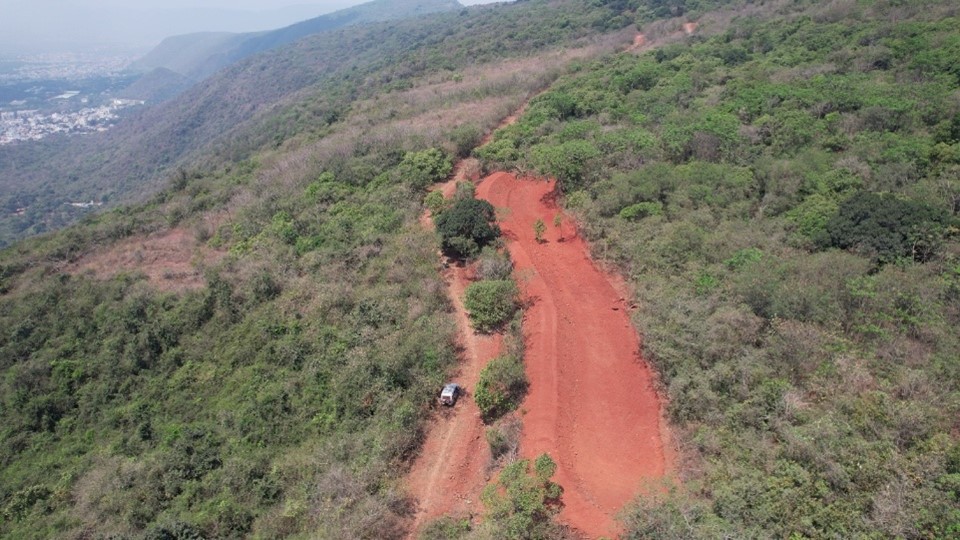
At the heart of this effort is deep community collaboration. The planning and execution have been driven in partnership with native tribal communities, who helped identify dormant springs and co-create restoration strategies. With support from the Visakhapatnam District Administration, VMRDA, and Sri Varahalakshmi Narasimha Swamy Devasthanam, the initiative covers the ecologically rich Simhachalam Hills—home to 74 varieties of flora and over 200 species of fauna. Through meticulous work, 203 acres of invasive species have been cleared, and strategic water harvesting structures such as hilltop and bottom ponds, trenches, and the revival of the Sithammadhara pond have led to the creation of over 6205 cubic meters of water storage capacity. These interventions have directly impacted areas like Madhavadhara and Sethamadhara, showcasing how nature-based solutions can protect and sustain urban landscapes.
This initiative is more than a water management project—it is a call to action. The revival of springs is intrinsically linked to cultural memory, ecological balance, and long-term urban resilience. As the first urban model of its kind at a national scale, it sets the stage for other cities to follow. The work done in Visakhapatnam reaffirms DHAN’s commitment to people-centered development rooted in sustainability, knowledge revival, and climate action. In the face of growing environmental uncertainties, recharging our springs is not just about water—it’s about life itself.
Comments